
Pruning
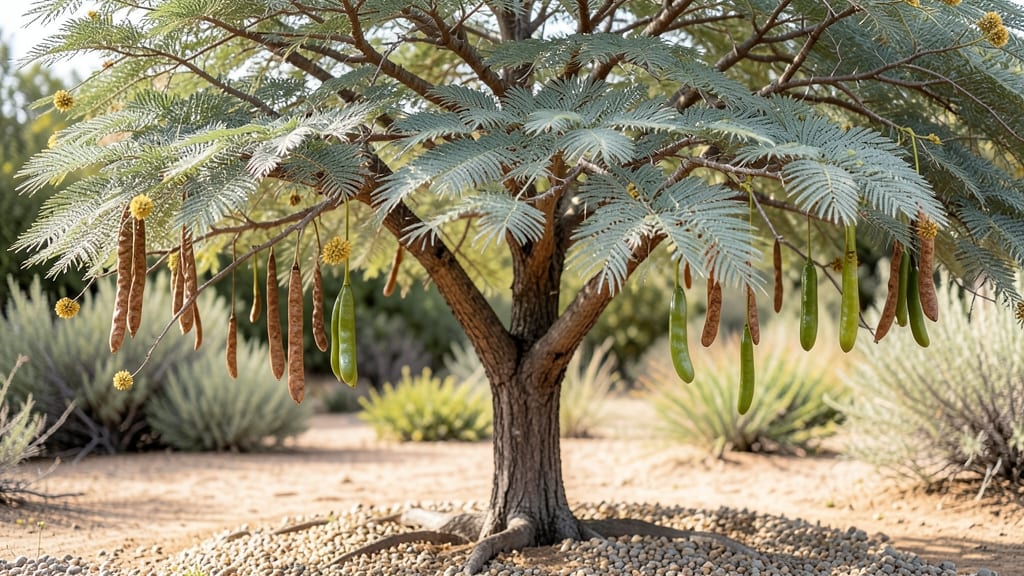
Cold-stratifying acacia tree pods unlocks a world of drought-resistant beauty in just 4 weeks. 🌱 I’ve watched these papery pods transform from brown husks into little green sprouts that beg to be planted—it’s like magic, but with science.
The key? Mimicking winter’s chill to break dormancy, so you skip the years of waiting for natural germination.
Acacia pods aren’t just seeds—they’re wildlife magnets and edible snacks for birds (though humans should avoid them raw). Harvest them in late fall when they’re dry but still plump, then store them in a paper bag until stratification.
Most gardeners overlook this step and end up with empty pods, but a 60-day cold spell in the fridge changes everything.
By week 4, you’ll have sturdy seedlings ready for pots or direct sowing, with roots that dive deep for water. The plants thrive in full sun and poor soil, making them perfect for slopes or dry climates.
Imagine a tree that survives drought and adds texture to your landscape—this is how it starts.
Works for all acacia species, from the silvery Acacia dealbata to the spiny Acacia koa. Whether you’re reviving a heritage plant or just curious about these fascinating pods, this method delivers results without guesswork. Let’s get those sprouts growing!
Natural Triggers For Pod Growth
Acacia tree pods—those fascinating, elongated seed vessels—don’t just appear overnight. Their development is a carefully timed biological response to environmental and physiological cues. Understanding these triggers can help gardeners and farmers optimize conditions for healthy pod production. Here’s why acacia pods form when they do:
---
Acacias are highly attuned to seasonal changes, and pod development is often tied to temperature shifts and daylight exposure. Here’s how it works:
- Cooler Temperatures: Many acacia species (like Acacia koa or Acacia melanoxylon) enter pod production as days grow shorter and temperatures dip.
This signals the tree that winter is approaching, prompting it to focus energy on reproduction rather than leaf growth. - Rainfall Patterns: Drought stress can actually trigger pod formation.
When soil moisture drops, the tree prioritizes seed production as a survival strategy, ensuring the next generation can withstand harsh conditions. 💡 Pro Tip: In arid climates, a short dry spell followed by moderate rain can kickstart pod development. - Cold Stratification: Some acacia seeds require a period of cold exposure (a process called cold stratification) to break dormancy.
While this doesn’t directly cause pods to form, it ensures that once pods mature, the seeds inside are ready to germinate when conditions improve.
---
Stress isn’t always bad—it can be a catalyst for pod production. Acacias may respond to nutrient imbalances or physical stress by redirecting energy toward seed development:
- Nitrogen Deficiency: When soil lacks nitrogen (a key nutrient for leafy growth), the tree may shift resources to reproductive structures instead.
This is why pods often appear in older trees or those in nutrient-poor soils. - Pruning & Thinning: Strategic pruning can stimulate pod growth by reducing competition for resources.
Removing dense foliage or overgrown branches signals the tree to allocate energy to flowering and pod development. - Root Damage or Transplant Shock: Even minor root disturbance can trigger a survival response, leading to accelerated pod formation. This is why newly transplanted acacias sometimes produce pods sooner than expected.
---
Pods are the end result of a successful pollination process, and several factors influence whether flowers turn into pods:
- Bee & Insect Activity: Acacias rely on pollinators like bees, butterflies, and even birds to transfer pollen.
If flowering coincides with peak pollinator activity (often spring or early summer), pod formation is more likely. - Flowering Hormones: Environmental triggers like warm nights followed by cool days can stimulate the release of floral hormones (e.g., gibberellins), prompting blooms that later develop into pods. - Self-Pollination vs. Cross-Pollination: Some acacia species (like Acacia dealbata) are self-fertile, meaning they can produce pods even without external pollinators.
Others require cross-pollination, so planting multiple trees increases pod yields.
--- The right growing conditions can make or break pod production. Acacias are adaptable, but they have preferences:
- Well-Drained Soil: Waterlogged roots stress the tree, diverting energy away from pod development. Sandy or gravelly soils prevent rot and encourage healthy root systems, supporting pod growth. - Sunlight Exposure: Acacias need full sun (6+ hours daily) to produce pods.
Shade reduces flowering and weakens the tree’s ability to sustain seed development. - Wind & Airflow: Moderate wind can stimulate flowering by gently shaking branches, aiding pollen dispersal. However, excessive wind can damage flowers before pods form.
--- Not all acacias produce pods at the same rate—genetics and maturity play a role:
- Species-Specific Traits: Some acacia varieties (like Acacia senegal, the source of gum arabic) are bred for high pod production, while others focus on foliage or wood.
Always check your tree’s species traits. - Age Matters: Young acacias (under 3–5 years) may flower but rarely produce viable pods.
Mature trees (10+ years) have the energy reserves to sustain pod development consistently. - Hybrid Vigor: Crossbred acacias often exhibit hybrid vigor, meaning they produce more pods than their parent varieties due to genetic diversity.
--- Pod formation is a delicate balance of internal signals (hormones, stress responses) and external factors (climate, pollinators, soil). By mimicking these natural triggers—like providing seasonal water adjustments, encouraging pollinator visits, or pruning strategically—you can nudge your acacia tree toward prolific pod production. 🌿✨
Quick fixes for stubborn seed pods
---
If your acacia tree pods aren’t cooperating—whether they’re slow to sprout, moldy, or refusing to germinate—don’t toss them just yet! With the right approach, you can coax those tough little pods into action. Below are targeted solutions for common issues, paired with prevention tips to keep future batches thriving.
---
Cold-stratification is key for acacia pods, but sometimes extra patience (or tweaks) are needed.
#### 🔥 Fix: Extend Cold Treatment Acacia pods often need 4–8 weeks of cold stratification to break dormancy.
If yours are still dormant after 4 weeks: - ⏰ Extend the process by 2–4 more weeks in the fridge (keep them in a sealed bag with damp paper towels). - 🌡️ Check moisture levels—if the pods feel dry, lightly mist them (but avoid soaking). - ❄️ Swap locations if your fridge isn’t cold enough (aim for 35–40°F).
A garage or unheated basement may work better.
> 💡 Pro Tip: Some acacia species (like Vachellia or Senegalia) are slower. If you’re impatient, try scratch-testing: Gently nick the pod’s seam with a knife—this mimics natural wear and can trigger germination faster.
---
#### 🍳 Pods Rotting or Moldy? Act Fast Moisture is a double-edged sword—too little stalls growth, but too much invites rot.
#### 👨🍳 Fix: Adjust Moisture & Airflow - 🚿 Drain excess water: If pods feel soggy, transfer them to a fresh paper towel and let them air-dry for 12–24 hours before resealing the bag. - 💨 Improve ventilation: Poke 2–3 small holes in the plastic bag to prevent condensation buildup. - 🧼 Add a fungicide: Sprinkle a pinch of cinnamon or hydrogen peroxide (3%) in the bag to inhibit mold (acacia pods are sensitive to chemicals, so avoid strong sprays).
> ✨ Prevention Tip: Use sterile materials—wash containers and towels with mild soap to avoid introducing spores.
---
If you spot webbing, discoloration, or tiny bugs on your pods, act before the infestation spreads.
#### 🔪 Fix: Isolate & Treat Gently - 🐜 For pests (like fungus gnats or mites): - 🧼 Wipe pods with a 50/50 water-vodka solution (vodka kills pests on contact). - 🌿 Re-pot in fresh, sterile soil if transferring seedlings. - 🍄 For fungal spots (black/green patches): - 🌡️ Increase airflow by spacing pods further apart in the bag. - 💊 Use neem oil spray (diluted to 1 tsp per cup of water)—spray lightly and let dry before resealing.
> 🎯 Prevention Tip: Store pods in a mesh bag (like those for onions) instead of plastic to deter pests from the start.
---
Once your pods finally sprout, weak or leggy seedlings need a little TLC.
#### 🌱 Fix: Optimize Light & Support - ☀️ Provide bright, indirect light—a south-facing window or grow light (12–14 hours/day) prevents etiolation (stretchy, weak stems). - 🌱 Use a humidity dome (or a clear plastic wrap tent) for the first 2 weeks to retain moisture. - 🍃 Fertilize lightly: After 4–6 weeks, use a diluted seaweed fertilizer (½ strength) to avoid burning tender roots.
> 💡 Pro Tip: Acacia seedlings hate disturbance—wait until they have 2–3 true leaves before transplanting.
---
Save time and stress by prepping right the first time: - ✅ Harvest pods at peak ripeness (when they’re brown and slightly papery, not green). - ✅ Store pods in a cool, dry place (like a paper bag in the fridge) until stratification. - ✅ Label varieties—some acacias (like Acacia koa) germinate faster than others. - ✅ Test a few pods first—if one batch fails, you’ll know to adjust next time.
---
With these fixes, your acacia tree pods should be well on their way to sprouting strong, healthy seedlings in no time. Patience is key—acacias reward persistence with stunning, drought-tolerant trees!
Frequently asked questions
Are acacia tree pods safe for birds to eat?
Yes, acacia pods are a natural food source for many bird species like parrots, finches, and toucans. The seeds inside provide essential nutrients, while the fibrous pod structure helps with digestion. However, never feed them to pets or livestock—some acacia varieties contain mild toxins that can cause digestive upset in mammals.
How do I know when acacia pods are ready for harvesting?
Look for pods that are fully brown and slightly papery to the touch—this usually happens in late fall or early winter. They should rattle slightly when shaken (indicating dry seeds inside) but not be brittle. Harvest them before they split open naturally to prevent seed loss or pest infestation.
Can I grow acacia trees from pods without cold stratification?
Cold stratification is highly recommended for acacia pods, as it mimics natural winter conditions and breaks seed dormancy. Without it, germination rates drop dramatically (often below 20%). For impatient gardeners, try soaking pods in warm water for 24 hours first, but expect slower and less reliable results.
Why do some acacia pods stay green instead of turning brown?
Green pods usually indicate either immature seeds or environmental stress. Common causes include excessive moisture, poor drainage, or nutrient deficiencies. If your pods stay green, check for overwatering (acacias prefer dry conditions) and consider adding phosphorus-rich fertilizer to encourage proper maturation.
What's the best way to store acacia pods before planting?
Store pods in a cool, dry place (like a paper bag in your fridge) until ready to stratify. Avoid plastic containers—moisture buildup causes mold. For long-term storage (up to 6 months), keep pods in a sealed container with silica gel packets to absorb any humidity. Label varieties if mixing different acacia species.