
Pruning
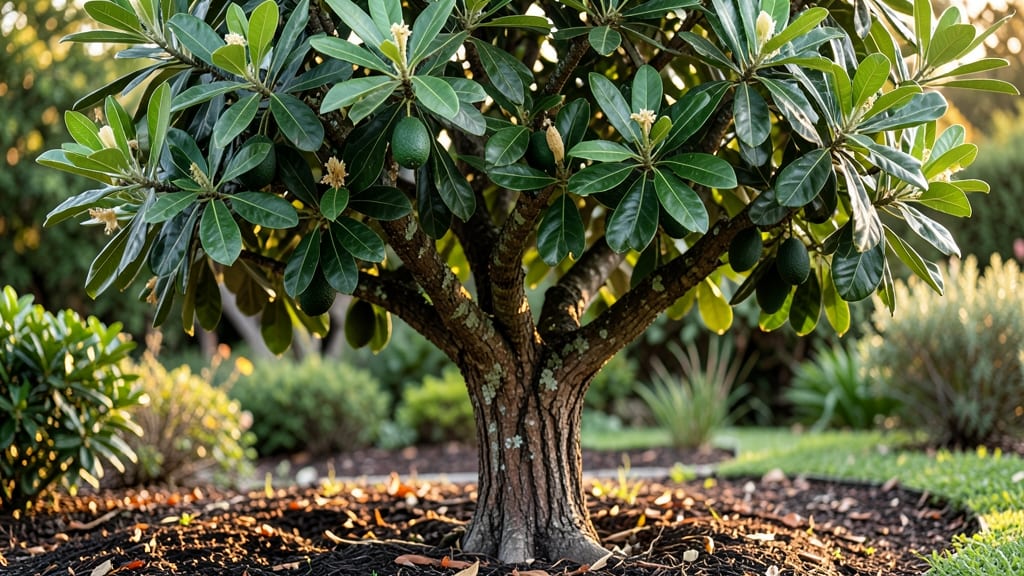
Avocado trees need 6-8 hours of direct sun daily to produce fruit, but too much scorching heat can ruin their leaves. 🌞 I learned this the hard way when my first tree's branches turned crispy after a summer heatwave—now I balance sun exposure carefully for maximum harvests.
The key is morning sun (6 AM–10 AM) paired with afternoon shade, especially in hot climates. Outdoor trees thrive with partial shade in peak afternoon hours, while indoor trees need a south-facing window or grow lights for 12+ hours daily. Without proper light, your tree will grow tall but fruitless.
You'll see the difference in thick, glossy leaves and abundant flower clusters by spring. A well-lit tree can produce 50+ avocados in a single season, but watch for sunburned patches—those mean it's getting too intense. For container growers, rotate pots weekly to ensure even light exposure.
In winter, supplement with LED grow lights if natural light drops below 4 hours daily. Your tree will thank you with steady growth and sweet fruit!
📚 In This Guide
- What you need
- Instructions
- Tips and common mistakes
- Wrapping up and next steps
What you need
- ● Growing a thriving avocado tree starts with the right materials and requirements—especially when it comes to optimizing sunlight! Here’s what you’ll need to set your tree up for success:
How to position your avocado tree for optimal fruit growth
Sunlight is the foundation of a productive avocado tree—get this right, and you’ll see flowers and fruit within a few years.
☀️ Step 1: Identify Your Climate’s Ideal Sunlight Range
Avocados thrive in full sun—at least 6-8 hours of direct sunlight daily—but they also need protection from intense afternoon heat, especially in hot climates. In USDA Zones 9-11, where avocados grow naturally, they handle bright, filtered sunlight better than harsh midday rays. If you’re in a cooler zone (like 8 or below), extend sunlight to 8-10 hours to compensate for lower temperatures.
Here’s the key: morning sun is your friend. Position your tree to receive eastern or southeastern exposure first, then shift slightly west as the day progresses. In desert climates, partial afternoon shade (30-50%) prevents leaf scorch, which stunts fruit production. Watch for yellowing leaves—a classic sign of too much sun or heat stress.
🌿 Step 2: Choose the Right Location Based on Tree Size
Young avocado trees (under 5 feet tall) can handle partial shade but still need 4-6 hours of direct sun. Place them near a south-facing wall or under a dappled canopy (like a fast-growing tree with sparse branches) to filter harsh light. Mature trees (10+ feet tall) demand full, unobstructed sun—no nearby buildings, fences, or dense shrubs within 15 feet of the trunk.
If your yard lacks ideal sunlight, container growing is a great backup. Move pots to a sunny patio in the morning, then shift them to a shadier spot by mid-afternoon. Avocados in containers dry out faster, so check soil moisture daily—they’ll wilt quickly if thirsty. A self-watering pot with drainage holes keeps roots happy without overwatering.
✂️ Step 3: Adjust Light Exposure Seasonally for Fruit Production
Avocados flower in response to temperature shifts, not just sunlight. In spring, when days lengthen, they need consistent 6+ hours of sun to trigger blooms. But here’s the trick: too much sun in summer can stress the tree, reducing fruit set. If your tree is heavy with flowers but dropping them, it’s likely heat-stressed. Provide light shade (like a 50% shade cloth) during peak afternoon heat (12-4 PM).
In fall, as temperatures drop, avocados enter a dormancy-like state. Reduce water slightly and avoid pruning—this helps the tree conserve energy for next year’s growth. If you live in a cooler microclimate, a greenhouse or cold frame extends the growing season, letting you harvest fruit 2-3 weeks earlier. Just ensure ventilation—avocados hate humidity buildup, which invites fungal diseases.
🌱 Step 4: Monitor and Troubleshoot Sun-Related Issues
Overly pale leaves mean too little light. Move the tree closer to a sunny window or supplement with a grow light (LED, 6,500K color temperature) for 12-14 hours daily. If leaves curl or crisp at the edges, it’s sunburn—provide afternoon shade immediately. For container trees, rotate pots weekly so all sides get even light exposure.
Fruit drop is often a sun-related issue. If your tree flowers but fruits fail to develop, it’s likely heat stress or poor pollination (avocados need cross-pollination—plant two trees if you want fruit). In urban areas, air pollution can also weaken flowers. If this happens, prune lightly in late winter to improve airflow and fertilize with citrus-specific food to boost resilience.
⏰ Step 5: Plan for Long-Term Sunlight Management
Avocados grow slowly but steadily—expect 1-2 feet of height gain per year. Reassess sunlight needs annually as the tree matures. If nearby structures (like a new garage or fence) now cast hard shade, prune strategically to open the canopy’s lower branches to sunlight. Avoid top-heavy pruning—this disrupts the tree’s natural light-catching shape.
For maximum fruit production, thin the canopy in late winter to let sunlight penetrate to the center. Remove suckers (shoots at the base)—they compete for light and nutrients. A well-lit avocado tree will show deep green, glossy leaves and fewer yellowed or spotted leaves. If you see white, powdery mildew on leaves, reduce overhead watering and space plants 10+ feet apart for airflow.
Tips & tricks for perfect avocado tree sunlight management
Took me years of trial and error to master these sunlight secrets—here’s how to avoid the same mistakes.
Morning Sun Strategy: The 6-8 hours of direct sunlight mentioned in Step 1 should prioritize morning exposure (eastern or southeastern). This is when sunlight is less intense and provides the perfect energy boost for photosynthesis. I’ve seen trees in desert climates thrive with afternoon shade (30-50%) but struggle when exposed to harsh midday rays. If you notice yellowing leaves by early afternoon, it’s your tree’s SOS signal—move it or add shade immediately.
Seasonal Light Adjustments: Spring is when you need consistent 6+ hours of sun to trigger blooms, but summer’s peak heat (12-4 PM) can stress your tree. That’s why I recommend using a 50% shade cloth during those hours—it’s a game-changer for preventing fruit drop. In cooler zones, extend sunlight to 8-10 hours by positioning trees near south-facing walls or using reflective surfaces like white walls to bounce light onto the canopy.
Container Tree Lighting Hacks: If you’re growing in pots, rotate them weekly to ensure even light exposure on all sides. Avocados in containers dry out faster, so I check soil moisture daily—wilting happens quickly when roots can’t access enough water. A self-watering pot with drainage holes solves this while keeping roots happy. For indoor growers, supplement with a 6,500K LED grow light for 12-14 hours daily to mimic natural sunlight cycles.
Long-Term Canopy Management: Thin the canopy in late winter to let sunlight penetrate to the center—this is critical for fruit production. I always remove suckers (those shoots at the base) because they compete for light and nutrients. A well-lit tree will have deep green, glossy leaves with minimal yellowing. If you see powdery mildew, it’s a sign of poor airflow—reduce overhead watering and space plants 10+ feet apart.
Pro Tips for Avocado Tree Sun
- Took me years of trial and error to master these sunlight secrets—here’s how to avoid the same mistakes.
- Morning Sun Strategy: The 6-8 hours of direct sunlight mentioned in Step 1 should prioritize morning exposure (easter...
- Seasonal Light Adjustments: Spring is when you need consistent 6+ hours of sun to trigger blooms, but summer’s peak h...
Frequently asked questions
Got questions about keeping your avocado tree basking in the perfect sunlight? Here are some of the most common ones—and their answers—to help you grow a thriving, fruit-bearing tree!
How much sun does an avocado tree need daily?
Avocado trees thrive with 6–8 hours of direct sunlight daily. Young trees need bright, indirect light, while mature trees can handle more intense sun—just avoid scorching midday rays in hot climates. Prune to improve airflow and sunlight penetration for even growth.
Can avocado trees get too much sun?
Yes! While they love sunlight, excessive heat without shade can stress the tree, causing leaf scorch or fruit drop. In hot zones, provide afternoon shade (like a mesh screen) or grow in partial shade. Monitor for yellowing leaves—a red flag!
What if my avocado tree isn’t getting enough sun?
Move it to a sunnier spot gradually (over weeks) to avoid shock. If indoors, place near a south-facing window or use grow lights for 12–14 hours/day. Lack of sun leads to leggy growth and fewer flowers/fruit—so act fast!
Does sunlight affect avocado fruit quality?
Optimal sun exposure boosts sweetness, oil content, and size. Trees in full sun produce richer, larger fruit with fewer blemishes. However, too little sun = small, bitter avocados. Balance is key!
Can I grow an avocado tree indoors with artificial light?
Yes, but it’s tricky! Use full-spectrum LED grow lights 6–8 inches above the tree for 12+ hours/day. Supplement with natural light near a window. Expect slower growth and smaller fruit—outdoor trees always win for productivity!
| Quick Fix? | Action |
|---|---|
| Leaf burn | Move to partial shade; water deeply |
| Leggy growth | Prune and relocate to brighter light |
| Yellow leaves | Check for pests or overwatering |
Wrapping up and next steps
Growing a thriving avocado tree is all about strategic sun exposure—balancing full sunlight with protection from harsh afternoon rays.
Whether you’re nurturing a young sapling or fine-tuning an established tree, the right lighting is the secret to lush foliage and bountiful fruit. 🌞 Now that you’re armed with the know-how, it’s time to roll up your sleeves and give your tree the sun-kissed care it deserves!
Ready to take the next step? Monitor your tree’s progress and adjust its position or pruning as needed. With patience and attention, you’ll soon be harvesting homegrown avocados that rival the best from the grocery store! 🥑✨