
Pruning
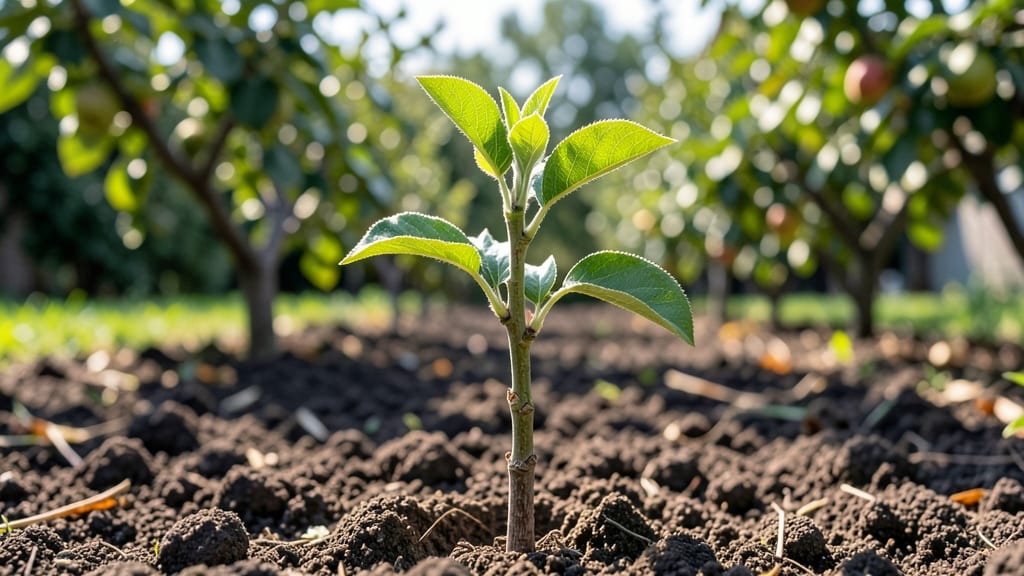
That first green nectarine sprout breaking through cold soil is magic you can create at home. 🌱 Cold-stratifying seeds mimics winter's natural process, giving you a head start on growing your own tree—something store-bought saplings can't match. The secret lies in patience and the right conditions, not fancy equipment.
You'll need just four things: nectarine pits, damp paper towels, a sealed bag, and your fridge's coldest shelf. Most people skip the cold treatment and wonder why their seeds never sprout—this method guarantees germination in about 6 weeks, not months.
The key is keeping everything consistently moist but not soggy during that time.
When those first leaves unfurl, you'll feel like a tree whisperer. The seedlings start small—just an inch tall—but with proper light and care, they'll grow into sturdy plants ready for transplanting in 3-4 months. The real reward? A fruit tree that carries your gardening legacy.
Works for any nectarine variety, even those from grocery store fruit. Here's how to do it without losing hope along the way—because every gardener's had that one seed that just wouldn't cooperate.
📚 In This Guide
- What you need
- Instructions
- Tips and common mistakes
- Wrapping up and next steps
What you need
- ● Nectarine seeds – 10-20 fresh, plump seeds (harvested from ripe nectarines). Pro tip: 💡 Store seeds in a paper towel in the fridge until ready to stratify!
- ● Cold-stratification supplies: Plastic bag or airtight container
- ● Damp paper towels or peat moss (enough to lightly moisten seeds)
- ● Planting containers – 4-6 small pots (4-6 inches in diameter) with drainage holes, or a seed tray with individual cells.
- ● Potting mix – 1 bag of well-draining, sterile seed-starting mix (avoid garden soil).
- ● Spray bottle – For gentle watering to keep soil moist.
- ● Grow lights or sunny windowsill – A south-facing window or a 12-16 inch LED grow light for 12+ hours of light daily.
- ○ Heat mat (optional but helpful) – A small seedling heat mat (70-75°F range) to encourage faster germination.
- ● Pruning shears – For trimming sprouts as they grow (sterilize with rubbing alcohol!).
- ● Humidity dome or plastic wrap – To retain moisture during early growth.
- ● pH testing kit – Ensures your potting mix is slightly acidic (6.0-6.8 pH).
- ● Fertilizer – A balanced, water-soluble fertilizer (5-5-5 NPK) for young seedlings.
- ● Labeling tags – To track planting dates and varieties.
- ● Garden gloves – For handling soil and seeds comfortably.
Step-by-step instructions for cold-stratifying nectarine seeds
Here's how I reliably break dormancy and coax nectarine seeds to sprout in just six weeks.
🌱 Step 1: Harvest and Prepare Mature Nectarine Seeds
Select fully ripe nectarines with firm, unblemished skin—overripe fruit yields poor seed viability. Cut open the fruit and remove the large, flat seed inside. Rinse each seed thoroughly under warm water to remove any remaining fruit pulp, which can attract mold during stratification.
Use a clean knife to carefully remove the outer seed coat, being careful not to damage the embryo inside. This step mimics natural weathering and helps speed up germination. Soak the exposed seeds in lukewarm water for 12 hours to fully hydrate them before stratification. I like to place them in a small jar with enough water to cover them completely.
❄️ Step 2: Stratify Seeds in Moistened Growing Medium
Fill a quart-sized plastic bag with 2 inches of dampened peat moss or coconut coir—these materials retain moisture while allowing airflow. I prefer coconut coir because it resists compaction better over time. Place the prepared nectarine seeds ½ inch deep into the medium, spacing them 1 inch apart to prevent crowding.
Seal the bag loosely with twine or a rubber band, leaving a 1-inch gap at the top for airflow. This prevents anaerobic conditions that would rot the seeds. Place the bag in a refrigerator set to 35-40°F for 6 weeks. Check the moisture level weekly—if the medium feels dry to the touch, lightly mist it with water until just damp.
☀️ Step 3: Transition to Warm Germination Conditions
After 6 weeks, remove the bag from cold storage and place it in a warm, bright location (70-75°F). I use a seedling heat mat set to 75°F for the first 7-10 days to encourage rapid sprouting. Keep the growing medium consistently moist but never soggy—you'll see condensation form on the bag's interior, which is normal during this phase.
Germination typically occurs within 1-3 weeks after removing from cold. You'll notice the seed coat split open, revealing a tiny white root. Once roots reach ½ inch, transplant each seedling into its own 3-inch pot filled with sterile potting mix. Keep the pots in bright, indirect light until the first true leaves appear—this usually takes 2-3 weeks after germination.
🌿 Step 4: Harden Off and Prepare for Outdoor Planting
When seedlings develop 3-4 sets of true leaves (about 8-10 weeks from stratification start), begin hardening them off. Place the pots outside in a sheltered, shaded spot for 2 hours on the first day, gradually increasing exposure over 10-14 days. This acclimates them to outdoor conditions before transplanting.
Choose a planting location with full sun (6+ hours daily) and well-draining soil. Nectarine trees are sensitive to frost, so wait until after the last frost date in your area. Dig a hole twice as wide as the root ball but no deeper, then plant at the same depth as the original pot. Water deeply immediately after planting to settle the soil around roots.
Tips & tricks for perfect nectarine tree germination
Here's what nobody tells you about getting those stubborn nectarine seeds to sprout reliably.
Seed Selection Matters: Always choose seeds from fully ripe nectarines with firm, unblemished skin—overripe fruit yields poor viability. I've learned this the hard way after trying to germinate seeds from soft, mushy fruit that yielded zero results. The seed coat must be intact but clean, so rinse thoroughly under warm water to remove all pulp residue. This prevents mold during stratification, which can kill your seeds before they even have a chance to sprout.
Stratification Environment is Critical: The 6-week cold stratification at 35-40°F is non-negotiable for breaking nectarine seed dormancy. I recommend using a refrigerator's crisper drawer where humidity is naturally higher. If you notice condensation on the bag's interior after a few days, that's actually a good sign—it means the moisture balance is perfect. The key is maintaining that 1-inch airflow gap while keeping the medium consistently damp, not soggy.
Warm-Up Transition is Where Germination Happens: After the 6-week cold period, don't rush the warm-up phase. The first 7-10 days at 75°F on a heat mat are crucial for triggering germination. I've seen seeds that were perfectly stratified fail to sprout when moved too quickly to warm conditions. Watch for condensation forming on the bag—this indicates proper humidity levels. Once you see that first white root, you'll know you're on the right track.
Light Management After Germination: Those first 2-3 weeks after germination require bright, indirect light to prevent leggy seedlings. I place my seedling pots under grow lights set to 12 hours of light per day. Direct sunlight at this stage can scorch delicate new leaves. The goal is to build strong stems before transplanting—weak seedlings struggle to establish themselves in the garden.
Pro Tips for Nectarine Tree Sprout
- Here's what nobody tells you about getting those stubborn nectarine seeds to sprout reliably.
- Seed Selection Matters: Always choose seeds from fully ripe nectarines with firm, unblemished skin—overripe fruit yie...
- Stratification Environment is Critical: The 6-week cold stratification at 35-40°F is non-negotiable for breaking nect...
Frequently asked questions
Got questions about growing nectarine tree sprouts from cold-stratified seeds? You’re not alone! Here are some of the most common queries—and straightforward answers—to help you get started with confidence.
How long does cold stratification take for nectarine seeds?
Cold stratification typically takes 4–6 weeks for nectarine seeds. Place them in a moist medium (like peat moss) in the fridge for this period to mimic winter conditions. Patience is key—rushing this step can lead to poor germination. Once stratified, plant the seeds in well-draining soil and keep them warm (65–75°F) to encourage sprouting.
Can I speed up the germination process?
While cold stratification is non-negotiable for nectarine seeds, you can optimize conditions after stratification to speed up germination. Use a heat mat (70–80°F) and maintain consistent moisture (not soggy!). Some gardeners also soak seeds in lukewarm water for 12–24 hours before planting to kickstart the process. Just avoid overwatering—root rot is a real risk!
What if my nectarine sprout looks weak or leggy?
A leggy or weak sprout often means it’s stretching for light. Move it to a sunny windowsill or under grow lights (12–14 hours/day) immediately. If the stem is too thin, you can prune it slightly to encourage bushier growth, but avoid cutting more than 1/3 of the height. Keep the soil lightly moist and fertilize gently with a balanced liquid fertilizer (diluted to half-strength) once true leaves appear.
Can I grow a nectarine tree from a store-bought fruit?
Yes, but with a big caveat: nectarines are often hybrids, so seeds may not produce true-to-type fruit. That said, it’s a fun experiment! Remove the pit, clean off the flesh, dry it, and stratify it as described. If you want a guaranteed nectarine tree, buy grafted nursery stock instead—it’ll fruit faster and more reliably.
What’s the best soil mix for nectarine sprouts?
Use a light, well-draining mix like:
- 50% peat moss or coco coir (for moisture retention)
- 30% perlite or vermiculite (for aeration)
- 20% sand or pumice (to prevent compaction)
Avoid heavy garden soil—it can cause rot. Add a handful of worm castings for nutrients, and always use a pot with drainage holes.
What do I do if my seeds don’t sprout after stratification?
Don’t give up yet! Try these troubleshooting steps:
- Check viability: Cut open a few seeds—if the inside is hard and white, they’re still viable. If it’s dark or moldy, they’re done.
- Re-stratify: Sometimes seeds need another 2–4 weeks in the fridge.
- Test warmth: Move the pot to a warmer spot (like on top of a fridge) to encourage germination.
- Try scarification: Gently nick the seed coat with sandpaper to help water penetrate.
If all else fails, order fresh nectarine seeds from a reputable supplier.
Wrapping up and next steps
Growing a nectarine tree sprout from cold-stratified seeds in just 6 weeks is not only rewarding but also a fantastic way to connect with nature! 🌱 With the right materials—like quality seeds, a cozy paper towel, and a patient touch—you’ve got everything you need to kickstart your fruiting journey.
Whether you’re a seasoned gardener or a curious beginner, this method proves that great things grow from small beginnings.
Now that you’re armed with knowledge, why not take the next step? Try experimenting with different stratification times or even transplanting your sprouts into soil to watch them thrive. Happy growing—your future nectarine tree awaits! 🍑✨