
Trees
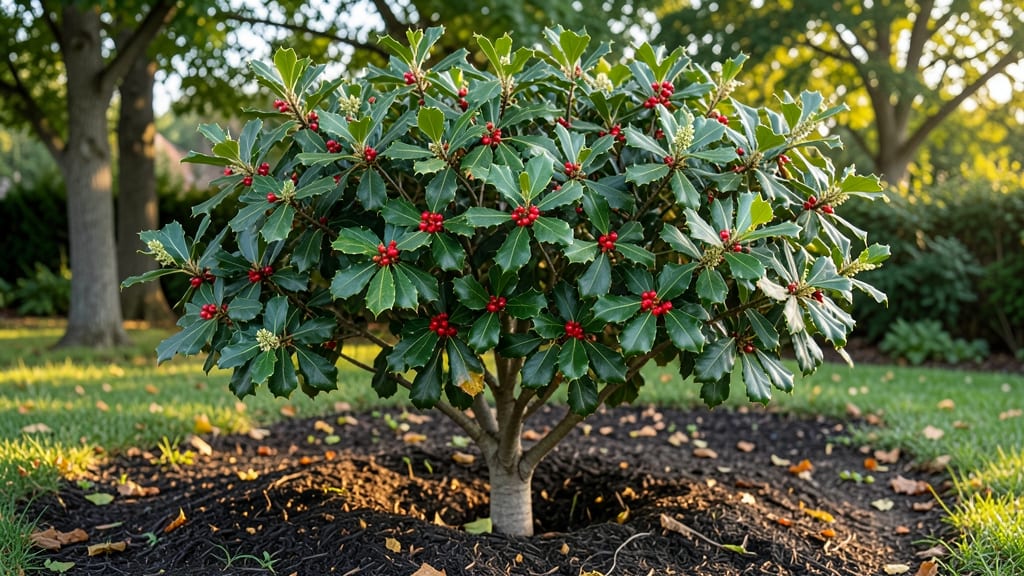
Holly tree leaves turning yellow can transform your lush, evergreen beauty into a sad, patchy mess—but there’s a simple way to bring back that vibrant green. 🌿 I’ve seen this happen after years of neglect, and the fix isn’t complicated once you know what’s causing it.
Most people assume it’s just “old age,” but the real culprits are often hidden in plain sight: overwatering, nutrient deficiencies, or even pests hitching a ride on those glossy leaves.
The good news? You can diagnose the problem in under 10 minutes with just your eyes and a quick check of the soil. Yellowing leaves often start at the tips or between veins, signaling overwatering or poor drainage, while uniform yellowing across the leaf usually points to nitrogen deficiency.
If you spot tiny holes or sticky residue, spider mites or scale insects might be the sneaky culprits. The key is acting fast—before the damage spreads to the whole tree.
By the end of this, your holly will be back to its glossy, deep green self in just a few weeks. We’ll tackle soil health, pruning the damaged bits, and keeping pests at bay—no fancy tools or chemistry required.
Even if your tree has been struggling for months, these steps work because they address the root cause, not just the symptoms.
Whether your holly is in full sun or dappled shade, these fixes adapt easily. The same principles work for dwarf hollies, English hollies, or even that one stubborn specimen in your neighbor’s yard. Let’s get your tree thriving again—no guesswork, just results.
Root Causes of Yellowing Holly Leaves
Understanding why your holly tree’s leaves are turning yellow starts with identifying the underlying triggers. Holly trees (Ilex spp.) are typically hardy, but environmental stress, nutrient deficiencies, or pests can disrupt their lush green foliage.
Below, we break down the most common culprits—backed by science—and what they mean for your tree’s health.
---
Yellowing holly leaves often signal a lack of essential nutrients, particularly in older leaves (a condition called chlorosis). The most common deficiencies include:
- ⚠️ Iron (Fe) Deficiency - Symptoms: Bright yellow leaves with green veins (interveinal chlorosis), often on new growth. - Why it happens: Holly trees thrive in slightly acidic soil (pH 5.0–6.5). Alkaline soil (pH >7.0) locks out iron, even if it’s present.
Iron is immobile in plants, so symptoms appear first in younger leaves. - Actionable fix: Apply chelated iron (e.g., iron sulfate or EDTA-chelated iron) in early spring. Test your soil’s pH and amend with elemental sulfur if needed to lower alkalinity.
- ⚠️ Nitrogen (N) Deficiency - Symptoms: Overall yellowing (pale green to yellow) starting with older leaves, stunted growth, or sparse foliage. - Why it happens: Nitrogen is vital for chlorophyll production.
Poor soil, overwatering (which leaches nutrients), or compacted roots can starve the tree. - Actionable fix: Use a balanced fertilizer (e.g., 10-10-10 or 20-10-10) in early spring and fall. For organic options, try blood meal or composted manure.
- ⚠️ Magnesium (Mg) Deficiency - Symptoms: Yellowing between veins (similar to iron but often on older leaves first), with brown patches or dead spots. - Why it happens: Magnesium is a central atom in chlorophyll.
Over-fertilization with nitrogen (without potassium) or acidic soils can deplete magnesium. - Actionable fix: Apply Epsom salt (magnesium sulfate) as a soil drench (1 tbsp per gallon of water) or use a magnesium-rich fertilizer.
--- Holly trees hate "wet feet." Excess moisture suffocates roots, preventing nutrient and water uptake, which triggers yellowing.
- Symptoms: Yellow leaves with wilting or drooping, especially in container-grown hollies. Soil may feel soggy or smell foul. - Why it happens: Compacted soil, clay-heavy ground, or pots without drainage holes trap water, leading to root rot (Phytophthora or Pythium fungi).
Overwatering in cool, humid weather accelerates the problem. - Actionable fix: - Improve drainage: Amend soil with perlite, sand, or compost (30% organic matter helps). - Adjust watering: Water deeply but only when the top 2–3 inches of soil are dry.
Hollies prefer 1–1.5 inches of water per week (including rain). - Check containers: Ensure pots have drainage holes and elevate them to prevent water pooling.
--- Holly trees are adaptable but can suffer from transplant shock, heat stress, or winter burn.
- 🔥 Heat or Sun Scorch - Symptoms: Yellowing or crispy edges on leaves exposed to direct afternoon sun, especially after winter. - Why it happens: Hollies like partial shade (4–6 hours of sun).
Sudden heat waves or dry winds dehydrate leaves, causing oxidative stress. - Actionable fix: Provide afternoon shade with a light fabric screen or mulch the root zone to retain moisture.
- ❄️ Winter Burn or Cold Stress - Symptoms: Yellowing or brown patches on leaves after winter, often on south- or west-facing sides. - Why it happens: Cold, dry winter winds desiccate leaves.
Young or newly planted hollies are most vulnerable. - Actionable fix: Apply 2–3 inches of mulch around the base (keep mulch 6 inches from the trunk). Use burlap wraps on young trees for wind protection.
- 🌪️ Transplant Shock - Symptoms: Yellowing within 2–4 weeks of moving, paired with leaf drop or slow growth. - Why it happens: Disturbed roots struggle to absorb water/nutrients.
Hollies hate being root-bound or transplanted in hot weather. - Actionable fix: Plant in spring or fall, water deeply before/after transplanting, and prune 1/3 of the canopy to reduce stress.
--- Not all yellowing is nutrient-related—pests and pathogens can also turn holly leaves pale or spotted.
- 🐛 Spider Mites or Scale Insects - Symptoms: Stippled yellowing, webbing (mites), or sticky residue (scale sap). Leaves may drop prematurely. - Why it happens: These pests suck sap, disrupting chlorophyll production.
Drought-stressed trees attract them. - Actionable fix: Spray with neem oil or insecticidal soap (repeat every 7–10 days). Increase humidity with mulch or drip irrigation.
- 🍄 Fungal Leaf Spot (e.g., Septoria or Cercospora) - Symptoms: Yellow halos around brown/black spots, often with white fungal growth on undersides. - Why it happens: Fungal spores thrive in wet foliage (overhead watering) or humid conditions. - Actionable fix: Remove infected leaves, prune for airflow, and apply copper fungicide or baking soda spray (1 tbsp baking soda + 1 gallon water + a drop of dish soap).
- 🐛 Holly Leaf Miner (Phytomyza ilicis) - Symptoms: Blotchy yellow patches that turn brown as larvae feed inside leaves. - Why it happens: Larvae create tunnels, blocking nutrient flow. - Actionable fix: Handpick heavily infested leaves or use **Bt (Bacillus thuringiensis) spray in early summer.
--- Holly trees prefer acidic to slightly acidic soil (pH 5.0–6.5). If your soil is too alkaline (pH >7.0), essential nutrients like iron, manganese, and phosphorus become unavailable**, even if they’re in the soil.
- Symptoms: Yellowing leaves with green veins (classic iron deficiency), poor growth, or small leaves. - Why it happens: Alkaline soils (common in areas with limestone) bind micronutrients, making them inaccessible to roots. - Actionable fix: - Test your soil’s pH with a home kit or send a sample to a lab. - Lower pH with elemental sulfur (apply in fall, takes 2–3 months to work). - Use acidifying fertilizers like cottonseed meal or peat moss.
Quick fixes for reviving fading holly foliage
Watching your holly tree’s leaves turn yellow can be frustrating, but the good news is that most issues have simple, effective solutions. Whether the problem stems from overwatering, nutrient deficiencies, or pests and diseases, taking action early can restore your tree’s lush green appearance.
Below, we’ve mapped out practical fixes for each common cause—plus tips to keep your holly thriving long-term.
If your holly’s leaves are yellowing due to soggy roots, the first step is to improve drainage and adjust your watering habits.
- 🔥 Check the Soil: Stick your finger 2–3 inches into the soil. If it feels damp, hold off on watering. Holly trees prefer well-draining soil—sandy or loamy works best. If your soil is heavy clay, amend it with compost or perlite.
- 🍳 Adjust Watering Schedule: Water deeply but infrequently. Aim for 1–1.5 inches of water per week (including rainfall). In containers, ensure pots have drainage holes and water only when the top inch of soil is dry.
- 👨🍳 Improve Soil Structure: If your yard has poor drainage, consider adding organic matter like mulch or compost around the base of the tree (keep mulch 3–4 inches away from the trunk). This helps soil absorb excess moisture.
- ⏰ Monitor for Root Rot: If yellowing persists, your tree may have root rot. Prune any severely affected roots (if possible) and treat with a fungicide like copper-based products.
💡 Pro Tip: If your holly is in a pot, repotting into a larger container with fresh, well-draining soil can work wonders.
Yellow leaves can signal a lack of essential nutrients, especially iron, nitrogen, or magnesium. Here’s how to give your tree a boost:
- 🔥 Test Your Soil: A simple soil test kit (available at garden centers) can reveal deficiencies. If iron is low, apply chelated iron supplements or use Epsom salt (for magnesium) by dissolving 1 tablespoon in a gallon of water and watering the base.
- 🍳 Fertilize Smartly: Use a balanced, slow-release fertilizer (like 10-10-10) in early spring. For a quick fix, try a liquid fertilizer with micronutrients. Follow package instructions to avoid overfeeding.
- 👨🍳 Organic Options: Spread compost or well-rotted manure around the tree’s drip line (the area where branches extend). This enriches the soil naturally over time.
- ⏰ Avoid Over-Fertilizing: Too much fertilizer can burn roots. Always water before and after applying to help nutrients absorb.
💡 Pro Tip: Yellowing between leaf veins often indicates iron deficiency. Apply iron supplements in early spring for fastest results.
Pests like spider mites, scale insects, or fungal diseases can cause yellowing leaves. Act fast with these targeted solutions:
- 🔥 Identify the Culprit:
- Spider Mites: Tiny webs on undersides of leaves.
- Scale Insects: Sticky residue (honeydew) on leaves.
- Fungal Issues (e.g., leaf spot): Yellow spots with dark edges.
- 🍳 Natural Pest Control:
- Spray leaves with a soapy water solution (1 tsp mild soap per quart of water) to dislodge mites and scale.
- Introduce beneficial insects like ladybugs or lacewings to eat pests naturally.
- 👨🍳 Chemical Treatments: For severe infestations, use neem oil (mix 2 tbsp with 1 gallon of water and spray) or horticultural oil. Follow up with a fungicide if disease is suspected.
- ⏰ Prune and Clean: Remove and dispose of heavily infested leaves. Sterilize pruners with rubbing alcohol to prevent spreading.
💡 Pro Tip: Early morning or late evening spraying works best—cooler temps reduce plant stress.
Extreme heat, cold, or wind can stress holly trees, leading to yellowing. Here’s how to protect them:
- 🔥 Provide Shade: If your holly is in a hot, sunny spot, consider partial shade (especially for young trees). Use shade cloth or plant nearby trees for natural protection.
- 🍳 Mulch for Insulation: Apply a 2–3 inch layer of mulch around the base (avoid piling against the trunk) to regulate soil temperature.
- 👨🍳 Water Deeply in Heatwaves: During droughts, water deeply and slowly to encourage root growth. Use drip irrigation to avoid leaf burn from overhead watering.
- ⏰ Winter Prep: For cold-sensitive hollies, wrap the trunk with burlap or use anti-desiccant sprays to prevent winter burn.
💡 Pro Tip: Holly trees thrive in morning sun and afternoon shade. If relocating isn’t an option, adjust care based on your climate.
With these targeted fixes, your holly’s yellowing leaves should fade back to vibrant green in 4–8 weeks. Stay consistent with care, and your tree will reward you with glossy, healthy foliage all season long! 🌿✨
Frequently asked questions
Why do holly leaves turn yellow in patches rather than all at once?
Patchy yellowing usually signals localized stress. If the yellowing appears on older leaves first, it’s likely a nutrient deficiency (like nitrogen or magnesium). If patches are near the leaf edges with crispy textures, it’s probably heat or sun scorch. Check for pests too—spider mites often create stippled yellow spots.
Can I save my holly tree if the yellowing has spread to most leaves?
Yes, but act fast! Start by improving drainage (if overwatered) and applying a balanced fertilizer (10-10-10). Prune severely yellowed branches to redirect energy to healthy growth. If the issue is pests, neem oil can work within 2-3 weeks. Severe cases may need professional arborist help for root health checks.
How often should I fertilize a holly tree to prevent yellow leaves?
Fertilize holly trees twice a year: once in early spring (when new growth starts) and again in early fall. Use a slow-release, balanced fertilizer (like 10-10-10) following package instructions. For organic options, compost or well-rotted manure works well. Avoid fertilizing in winter when the tree is dormant.
Will pruning yellow leaves help my holly tree recover?
Yes, but strategically! Prune only severely yellowed or dead leaves/branches—never more than 25% of the canopy at once. Focus on removing leaves from the bottom up to encourage new growth. Sterilize pruners with rubbing alcohol between cuts to prevent disease spread. Healthy leaves will photosynthesize better, helping the tree recover faster.
Is yellowing holly foliage contagious to other plants?
Not the yellowing itself, but pests or diseases causing it can spread! If spider mites, scale insects, or fungal leaf spot are the culprits, they may jump to nearby plants. Isolate affected hollies during treatment and clean tools between plants. Healthy neighboring plants are less likely to be affected if your holly’s care improves.