
Diseases
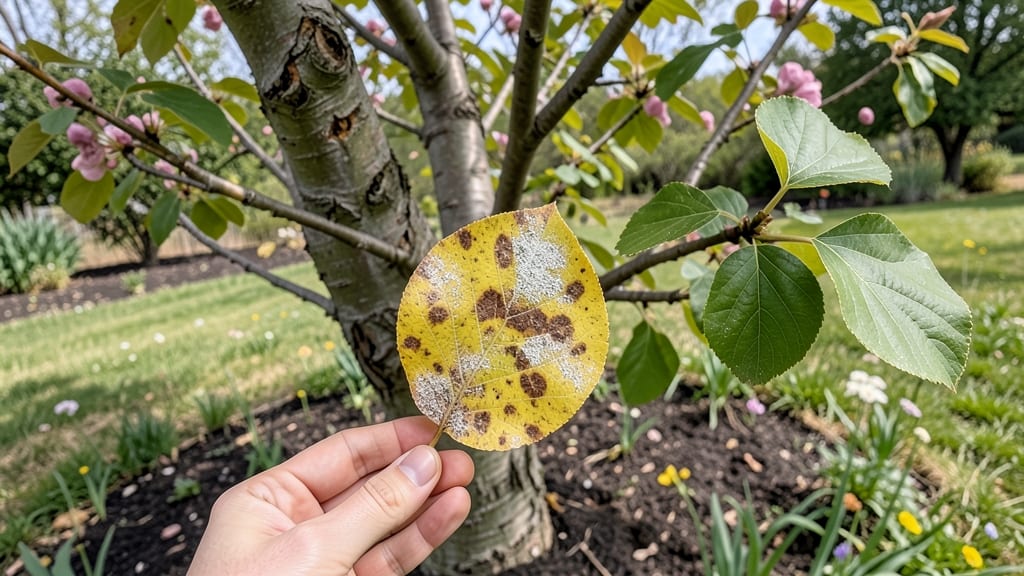
Oklahoma’s redbud tree diseases turn vibrant pink blooms into sad, spotted leaves—something I’ve seen firsthand three springs running. First, powdery mildew dusted my neighbor’s tree, then bacterial leaf spot marred mine, and now I’ll share how to spot, stop, and even reverse the damage before it spreads.
The problem starts with Oklahoma’s high humidity and sudden rain shifts, creating the perfect storm for fungal spores to latch on. Powdery mildew looks like dust on leaves, while bacterial leaf spot shows up as water-soaked brown patches.
Both thrive when trees are stressed from drought or poor drainage, and once they take hold, they weaken the tree’s ability to bloom next spring.
The good news? Pruning infected branches in late winter (before buds swell) and applying a copper fungicide at the first sign of spots can save your tree. I’ve restored trees this way—just watch for new growth to confirm the turnaround.
For bacterial issues, remove fallen leaves and water at the base (not overhead) to keep foliage dry.
This works for Oklahoma’s climate, but if you’re in a drier region, adjust watering to prevent fungal growth. Let’s get your redbuds healthy again!
Root Causes Behind Redbud Tree Ailments
Oklahoma’s redbud trees (Cercis canadensis) are stunning spring bloomers, but like all plants, they’re vulnerable to diseases that thrive in the state’s humid summers and fluctuating temperatures. Understanding why these issues arise helps you take proactive steps to protect your tree.
Below, we break down the key factors—from environmental stressors to microbial invaders—that turn a healthy redbud into a struggling specimen.
Oklahoma’s hot, humid summers and spring rains create the perfect breeding ground for fungal pathogens. Fungi like Anthracnose (Gloeosporium spp.), Powdery Mildew (Erysiphe spp.), and Cercospora Leaf Spot (Cercospora cerci) thrive when:
- Leaf surfaces stay wet for long periods—even morning dew can encourage fungal spores to germinate. 💡 Pro Tip: Avoid overhead watering in the evening to reduce moisture retention.
- Temperatures hover between 60–85°F (15–29°C)—ideal for fungal growth. Oklahoma’s spring and fall transitions are especially risky.
- Poor air circulation in dense plantings traps humidity, giving fungi more opportunities to infect leaves and stems.
Fun fact: Anthracnose often starts as tiny, water-soaked spots on young leaves—if left unchecked, it can defoliate your tree by summer! 🍃
Bacterial diseases like Bacterial Leaf Scorch (Xylella fastidiosa) and Canker Bacteria (Pseudomonas syringae) don’t just appear—they hitchhike on injuries to your redbud. Common entry points include:
- Pruning cuts made with unsterilized tools, leaving open wounds for bacteria to colonize.
- Storm or hail damage that tears bark or branches, creating gateways for infection.
- Insect activity—sap-sucking pests like spider mites or scale insects weaken the tree, making it easier for bacteria to take hold.
🔥 Key Insight: Bacterial scorch, for example, clogs the tree’s water-conducting vessels (xylem), causing leaf edges to brown and crisp—a classic "scorch" pattern. This often starts in the upper canopy because bacteria move upward via the tree’s vascular system.
Redbud trees are drought-tolerant, but extreme stress—whether from overwatering, compacted soil, or nutrient deficiencies—weakens their defenses. Here’s how it happens:
| Stress Factor | How It Weakens the Tree | Disease Risk |
|---|---|---|
| Overwatering | Leads to root rot (e.g., Phytophthora fungi) by suffocating roots in waterlogged soil. | ↑ Susceptibility to root and stem cankers. |
| Compacted or Alkaline Soil | Restricts root growth, reducing the tree’s ability to absorb water/nutrients. | ↑ Risk of nutritional deficiencies (e.g., iron chlorosis), making it easier for pathogens to attack. |
| Sudden Drought | Causes wilting and leaf drop, stressing the tree and inviting fungal invaders. | ↑ Vulnerability to leaf spot diseases. |
💡 Quick Fix: Test your soil’s pH (redbuds prefer 6.0–7.5) and amend with compost or sulfur if needed. Mulch 2–3 inches deep to retain moisture without smothering roots.
Some pests don’t just damage redbuds—they spread diseases. For example:
- Japanese Beetles feed on leaves, creating wounds that bacterial canker can exploit.
- Aphids and Scale Insects excrete honeydew, a sugary film that promotes sooty mold (a secondary fungal issue).
- Borers (like redbud borers) tunnel into bark, providing entry for wood-rotting fungi.
✨ Prevention Tip: Monitor your tree for chewed leaves, sawdust-like frass, or oozing sap—early signs of infestation. Use neem oil or insecticidal soap for mild cases, and consult an arborist for severe borer damage.
By addressing these root causes—fungal conditions, bacterial entry points, soil stress, and pest activity—you can dramatically reduce your Oklahoma redbud’s risk of disease. The next step? Diagnosing symptoms and choosing the right fixes.
Quick Fixes for Redbud Tree Ailments
When your Oklahoma redbud tree starts showing signs of distress—whether it’s yellowing leaves, oozing cankers, or mysterious spots—acting fast can save its life. Below are practical, step-by-step solutions tailored to the most common diseases affecting redbud trees in Oklahoma, along with prevention tips to keep your tree thriving for years.
---
Fungal infections thrive in Oklahoma’s humid summers and damp springs. Here’s how to stop the spread and restore your tree’s health.
#### 🔥 Powdery Mildew: The Fluffy White Invader Fix it: 1. Prune infected branches 🔪 – Remove heavily affected limbs (sterilize pruners with rubbing alcohol between cuts). 2. Apply fungicide 💊 – Use a copper-based or sulfur fungicide (like Bonide Copper Fungicide) every 7–10 days until new growth appears.
3. Improve airflow 🌬️ – Thin out dense foliage or nearby shrubs to reduce humidity around the tree.
Prevent it: ✅ Water at the base (avoid overhead spraying). ✅ Space trees properly (3–5 feet apart for airflow). ✅ Clean up fallen leaves (they harbor spores).
---
#### 🍃 Anthracnose: The Leaf Spot Menace Fix it: 1. Rake and remove fallen leaves 🍂 – Burn or compost them (do not leave them near the tree). 2. Spray with fungicide 🛡️ – Use a fixed copper fungicide (like Daconil) before bud break in early spring.
3. Avoid overhead watering 💦 – Water early in the morning so leaves dry quickly.
Prevent it: 💡 Choose resistant varieties (some redbud cultivars tolerate anthracnose better). 🌡️ Monitor humidity – Use a soil moisture sensor to avoid overwatering.
---
#### 🪵 Root & Stem Rot: The Silent Killer Fix it: 1. Stop watering immediately 🚰 – Let the soil dry out completely. 2. Improve drainage 🏗️ – Amend heavy clay soil with compost or sand to prevent waterlogging.
3. Apply hydrogen peroxide (3%) 🧪 – Drench the root zone to kill fungi (repeat weekly until symptoms fade). 4. Consider fungicide soil drenches 🌱 – Use Mycorrhizal fungi or beneficial bacteria (like Serenade Garden).
Prevent it: ✨ Plant in well-draining soil (avoid low-lying areas). ✨ Mulch properly (2–3 inches, keeping it away from the trunk).
---
Bacterial infections often cause oozing cankers or sudden wilting. These are harder to cure but manageable with quick action.
#### 🔪 Bacterial Leaf Scorch: The Brown-Edge Culprit Fix it: 1. Prune infected leaves 🌿 – Cut off only the browned edges (sterilize tools between cuts). 2. Boost tree health 💪 – Fertilize with low-nitrogen, high-phosphorus (like 5-10-5) to strengthen roots.
3. Water deeply but less often 💧 – Encourages deep root growth.
Prevent it: 🎯 Avoid stress – Don’t over-fertilize or prune heavily in late summer. 🚫 Disinfect pruners – Use bleach solution (1:10 bleach:water) between cuts.
---
#### 💀 Bacterial Canker: The Oozing Death Sentence Fix it: 1. Remove infected branches ⚰️ – Cut 6 inches below the canker and sterilize tools. 2. Apply copper fungicide 🛡️ – Spray copper hydroxide (like Kocide) every 2 weeks until new growth appears.
3. Seal wounds 🎨 – Use pruning sealant (like Tanglefoot Tree Wound Pruning Sealer) on large cuts.
Prevent it: 🔥 Avoid wounding the tree – Use proper pruning techniques. 🌡️ Monitor for stress – Drought or extreme heat weakens defenses.
---
Even after treating diseases, prevention is key. Follow these year-round tips to keep your redbud tree strong:
- 🌱 Mulch correctly – Keep mulch 3 inches deep but away from the trunk. - 💧 Water deeply but infrequently – 1–2 inches per week (more in extreme heat). - 🍃 Fertilize in early spring – Use a balanced fertilizer (10-10-10). - 🔍 Inspect regularly – Check for early signs (spots, wilting, ooze) monthly.
--- Pro Tip: 💡 If your tree is severely infected, consult an arborist—sometimes removal and replanting is the best option to prevent spread to other trees.
By acting fast and consistently, you can revive your Oklahoma redbud and keep it disease-free for seasons to come! 🌳💚
Frequently asked questions
What are the most common signs my Oklahoma redbud tree has a fungal disease?
Look for white powdery coatings (powdery mildew), dark brown spots with yellow halos (anthracnose), or leaf yellowing and curling (Cercospora leaf spot). These often appear on young leaves first and spread rapidly during Oklahoma’s humid springs. Check the undersides of leaves too—many fungal spores hide there.
Can I save my redbud if it has bacterial canker with oozing wounds?
Yes, but act fast! Prune infected branches 6 inches below the ooze using sterilized tools, then apply copper fungicide every 2 weeks until new growth appears. Seal large wounds with pruning sealant to prevent further infection. Severe cases may require professional help—don’t wait until the tree is 50% affected.
Why does my redbud get diseases every year even after treatments?
Persistent issues usually mean underlying stress factors like poor drainage, overwatering, or compacted soil. Test your soil’s pH (6.0–7.5 is ideal) and improve airflow by thinning dense foliage. Oklahoma’s humid summers also demand proactive fungicide applications—don’t wait for symptoms to appear.
Is it safe to use home remedies like hydrogen peroxide on redbud trees?
Yes, but use it correctly! A 3% hydrogen peroxide solution can help with root rot—drench the soil weekly until symptoms fade. For leaf diseases, mix 1 tablespoon baking soda + 1 teaspoon dish soap per gallon of water and spray every 7 days. Always test a small area first, and never use vinegar—it burns plant tissues.
When should I prune my redbud to prevent disease spread?
Prune late winter to early spring (just before buds swell) to remove dead or infected branches. Avoid pruning in fall—this encourages new growth that’s vulnerable to winter diseases. Always sterilize tools with rubbing alcohol between cuts, and never leave stubs—cut at a 45-degree angle just outside the branch collar.