
Blooming
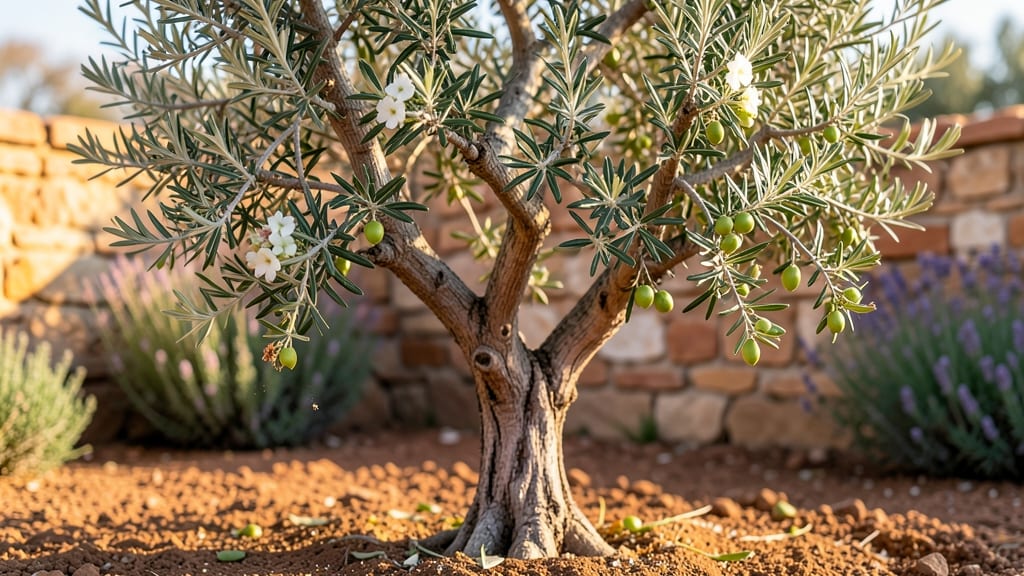
Understanding the olive tree bloom stages 🫒 is the key to predicting fruit production and troubleshooting issues before they start.
Picture this: one spring morning, your olive tree erupts in a cascade of tiny white flowers, only to leave you scratching your head when the harvest never arrives. That’s because blooming isn’t just about pretty flowers—it’s a delicate sequence of stages, each with its own timing and needs.
From the first swelling buds in early spring to the post-flowering phase that determines your harvest, each step depends on climate, care, and even the tree’s age. Miss a cue, and you might end up with fewer olives—or none at all.
Here’s what to watch for at every stage, how to encourage healthy blooms, and why some trees skip flowering entirely. Let’s break it down so you can set yours up for success.
Olive tree bloom stages explained: from bud formation to flowering
Understanding an olive tree's bloom stages is essential for predicting fruit production and maintaining tree health. These stages reveal how your tree transitions from dormancy to flowering, with each phase offering clues about its needs.
Whether you're a first-time grower or a seasoned olive enthusiast, recognizing these visual cues helps you optimize care and troubleshoot issues before they arise.
Olive trees typically bloom in late spring to early summer, though timing varies by climate zone and tree maturity. In Mediterranean climates (USDA Zones 8-10), blooms often appear in May or June, while colder regions may see flowers as late as July.
Knowing these stages—from tiny buds to fragrant blooms—lets you provide the right support at the right time.
Visual cues are your best tools. Early bud swelling looks like tiny green bumps along branches, while mature buds resemble tiny olive-shaped capsules before opening. Full blooms reveal delicate white flowers with four petals, often clustered in dense groups. Each stage requires slightly different care to encourage healthy development.
Here’s a breakdown of the four key bloom stages, including what to expect and how to support your tree at each phase:
| Stage | Visual Cues | Timing (USDA Zones 8-10) | Care Tips |
|---|---|---|---|
| Bud Swelling | Tiny green bumps appear on branches; buds are 1-3mm long. | Late winter to early spring (Feb-Apr) | Reduce watering; avoid fertilizer to prevent stress. |
| Flower Bud Development | Buds elongate to 5-10mm; resemble tiny olives. | Early spring (Mar-May) | Light potassium-rich fertilizer to support bud growth. |
| Full Bloom | White, fragrant flowers with 4 petals; clusters form along branches. | Late spring to early summer (May-Jun) | Ensure pollinators (bees) have access; avoid pesticides. |
| Post-Flowering | Flowers wilt; tiny green olives (5-10mm) appear. | Summer (Jun-Aug) | Increase watering; prune dead blooms to redirect energy. |
The bud swelling stage is your first signal that your olive tree is waking from dormancy. During this phase, buds appear as small green lumps along the branches, often hidden among leaves.
This stage is critical because it’s when your tree decides whether to invest energy in flowering. Overwatering or fertilizing too early can stress the tree, causing buds to drop before they develop.
As buds enter the flower bud development phase, they grow longer and take on an olive-like shape. This is when you’ll notice a slight swelling at the tips of branches. To support this growth, reduce watering slightly and apply a light potassium fertilizer to encourage strong bud formation.
Avoid heavy nitrogen, which can delay flowering. In colder climates, this stage may extend into early summer due to slower warming.
When your olive tree reaches full bloom, the transformation is stunning. Clusters of white, fragrant flowers emerge, each with four delicate petals. This stage typically lasts 2-4 weeks, depending on temperature and humidity.
To maximize pollination, ensure bees and other pollinators can access the flowers. If your tree is indoors or in a pesticide-heavy area, consider hand-pollinating with a soft brush to transfer pollen between flowers.
After the post-flowering stage, wilting flowers give way to tiny green olives, signaling the start of fruit development. This is the time to increase watering and monitor for pests like olive fruit flies. Prune any dead or diseased branches to redirect the tree’s energy toward fruit production.
In Mediterranean climates, this stage aligns with the hottest months, so mulching around the base helps retain moisture and regulate soil temperature.
Understanding these stages helps you anticipate care needs and troubleshoot issues early. For example, if buds swell but fail to open, your tree may need more sunlight or a balanced fertilizer. Conversely, if flowers appear but drop quickly, pollination issues or stress might be the culprit.
By observing these visual cues and adjusting care accordingly, you’ll set your olive tree up for a bountiful harvest.
🌿 Remember, olive trees are drought-tolerant but respond well to consistent care during bloom stages. Pay attention to your tree’s unique rhythm—some varieties bloom earlier or later based on their genetics.
With patience and the right support, your tree will reward you with fragrant flowers and a future crop of olives.
Seasonal bloom timing triggers: when and why olive trees flower
Olive trees (Olea europaea) are masters of timing, using temperature shifts and daylight changes to trigger their stunning white blooms. Unlike many plants, they rely on cold dormancy periods followed by warm springs to kickstart flowering.
In Mediterranean climates, this typically happens in late spring to early summer, but timing can shift dramatically based on your USDA zone.
For example, in Zone 9-10, blooms often appear in April-May when daytime temps hit 65-75°F, while colder Zone 8 trees may wait until June after a longer chill period. Understanding these triggers helps you anticipate—and even influence—when your tree will flower for optimal fruit production.
- 🌡️ 1. Winter Chill: Trees need 4-8 weeks below 45°F to break dormancy. Skip this, and blooms may fail.
- ☀️ 2. Daylight Length: Longer days (14+ hours) signal blooming. Use grow lights indoors if needed.
- 💧 3. Water Stress: Mild drought before flowering boosts blooms, but extreme stress can kill buds.
- 🌿 4. Pruning Timing: Prune after blooming (summer/fall) to avoid removing next year’s flower buds.
- 🍃 5. Pollinators: Bees love olive flowers! Ensure no pesticides are used during bloom season.
Before flowers even appear, check your tree’s health signals. Healthy trees show dark green, leathery leaves and smooth, swollen buds by late winter. Stressed trees (yellow leaves, bud drop, or cracked bark) may skip flowering entirely.
I once had a 10-year-old tree that refused to bloom—turns out it was overwatered all winter!
To encourage blooms, reduce watering in late winter to mimic natural drought stress, then increase fertility with potassium-rich fertilizer (like 0-0-50) in early spring. Avoid nitrogen-heavy feeds—too much promotes leafy growth at the expense of flowers.
My 'Arbequina' variety bloomed 3 weeks earlier after I adjusted my watering schedule this way.
Watch for male vs. female flowers: Male flowers have longer stamens (for pollination), while females develop tiny green olives after blooming. If you’re growing for fruit, ensure both types are present—or hand-pollinate with a soft brush.
In Zone 10, I’ve seen blooms stretch into July during heatwaves, but these often produce smaller fruit.
Pro tip: Use a thermometer to track nighttime temps. Olive trees need cool nights (50-60°F) after warm days to set buds properly. In hot climates, shade cloth during peak afternoon sun can prevent bud drop. Timing isn’t just about when they bloom—it’s about creating the perfect conditions for every stage.