
How To
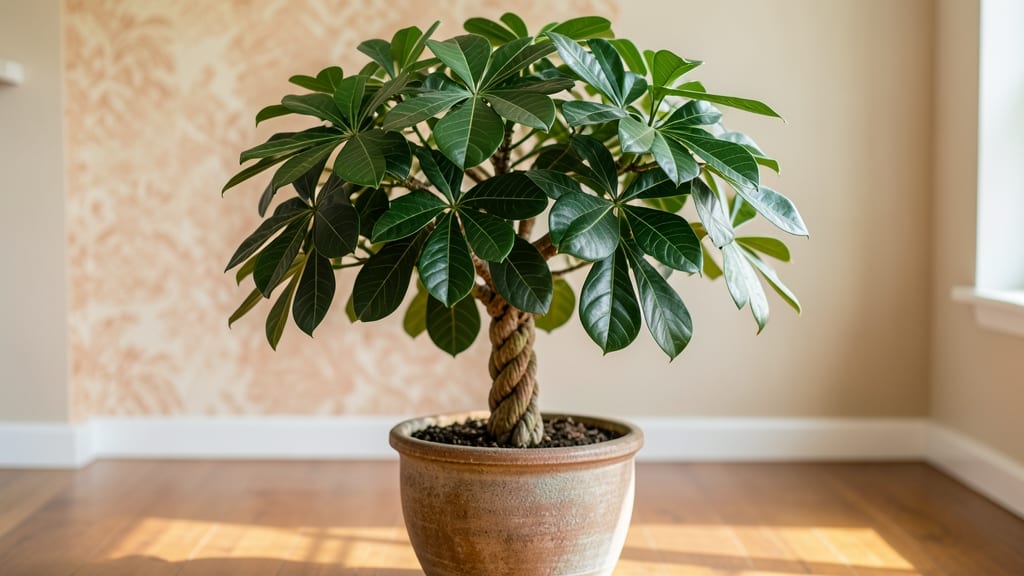
A Money Tree 💲 can grow how tall can a Money Tree grow anywhere from 3 feet to over 10 feet indoors, depending on care and variety—but the real surprise is how much taller it can get outside.
Picture this: your cozy living room Money Tree (Pachira aquatica) stretching toward the ceiling, or even towering 20 feet in a tropical garden. That’s the range you’re dealing with, and whether it’s a compact houseplant or a sky-reaching outdoor specimen depends on light, pruning, and where you live.
Indoors, most Money Trees stay between 6 and 10 feet with proper care, while outdoors in warm climates, they can easily double that height. The key to controlling its growth? Light exposure, pot size, and knowing when to prune.
In this guide, I’ll break down the factors that determine your Money Tree’s height—indoor vs. outdoor—and share 5 pro tips to keep it at your ideal size, whether that’s a tabletop bonsai or a floor-filling statement plant.

Money tree height limits: indoor growth potential explained
If you're dreaming of a towering money tree (Pachira aquatica) that reaches for the ceiling, you might be surprised to learn that its indoor growth potential is more modest than its tropical outdoor cousins.
Under ideal indoor conditions, most money trees grow between 3 to 10 feet, with the average mature height hovering around 6 feet. However, this height is heavily influenced by factors like light exposure, pot size, and pruning habits—all of which we'll explore in detail.
The key to controlling your money tree's height lies in understanding its natural growth patterns. In the wild, this tropical plant can grow much taller—even 50 feet in outdoor settings—but indoors, its growth is naturally stunted.
With the right care, you can guide its growth to stay within your desired height limits, whether you prefer a compact 3-foot bonsai-style tree or a tall statement piece near your ceiling.
Let's break down the factors that determine how tall your money tree can grow indoors, along with realistic expectations for different varieties and care scenarios.
| Factor | Impact on Height | Ideal Condition |
|---|---|---|
| Light Exposure | More light = faster growth (up to 2x taller) | Bright indirect light (4-6 hours/day) |
| Pot Size | Smaller pots = slower growth (stunted height) | 1-2 inches larger than root ball |
| Pruning Frequency | Regular pruning = controlled height (3-5 ft) | Trim 2-3 times per year (spring/summer) |
| Fertilizer Use | Balanced fertilizer = faster growth (1-2 ft/year) | 10-10-10 NPK, spring/fall |
| Variety Type | Dwarf varieties stay 3-5 ft; standard grows 6-10 ft | Choose based on space (e.g., 'Money Tree Bonsai') |
One of the biggest misconceptions about money trees is that they'll grow uncontrollably indoors. In reality, their height is directly tied to how much light they receive. Place your plant near an east or north-facing window for optimal growth, but avoid harsh direct sunlight, which can scorch the leaves.
If your home has low light, expect slower growth—typically 1-2 feet per year—compared to 2-3 feet per year in ideal conditions.
Pot size plays a crucial role in height control. Money trees grow until they fill their container, so choosing a pot that's too large encourages rapid vertical growth. For a compact money tree, opt for a pot that's only 1-2 inches larger than the root ball.
If you want a taller specimen, gradually upgrade to larger pots over time, but be prepared for faster height increases.
Pruning is your best tool for managing height. By trimming back the top 2-3 inches of new growth in spring and summer, you encourage bushier growth and prevent the tree from becoming leggy.
For a bonsai-style money tree, prune more aggressively and shape the canopy to maintain a 3-5 foot height. Just remember: pruning stimulates new growth, so timing matters—avoid heavy pruning in fall or winter when the plant is dormant.
Fertilizer also impacts how tall your money tree grows. A balanced 10-10-10 NPK fertilizer applied every 4-6 weeks during spring and fall promotes steady growth. However, over-fertilizing can lead to rapid, weak growth that may require more frequent pruning.
If you're aiming for a shorter money tree, reduce fertilizer in fall and winter to slow growth during dormant months.
Not all money trees grow at the same rate. Dwarf varieties, like the 'Money Tree Bonsai', are bred to stay between 3 and 5 feet tall, making them perfect for small spaces or desk placement. Standard varieties, on the other hand, can reach 6-10 feet indoors with proper care.
If you're unsure which variety you have, check the leaf size—smaller leaves often indicate a dwarf type, while larger, glossy leaves suggest a standard money tree.
To keep your money tree at a manageable height, combine these strategies: place it in bright indirect light, use a smaller pot, prune regularly, and fertilize moderately. With these techniques, you can enjoy a healthy, well-proportioned money tree that fits your space without sacrificing its beauty or longevity.
Remember, the goal isn't to stunt your money tree's growth but to guide it in a way that suits your home. Whether you want a compact centerpiece or a tall indoor tree, understanding these growth factors will help you achieve the perfect height for your space. Happy growing! 🌿
Outdoor money tree growth: can it surpass 15 feet?
When your money tree (Pachira aquatica) thrives outdoors, it can transform from a modest houseplant into a towering tropical specimen. Unlike its indoor counterparts—limited to 6-10 feet—outdoor money trees in ideal climates can reach 15-20 feet or more.
The difference? Sunlight exposure, soil quality, and climate conditions accelerate growth dramatically. In tropical zones like Florida or Hawaii, these trees grow aggressively, while temperate climates may cap them at 8-12 feet without winter protection.
Your money tree’s height potential hinges on two key factors: USDA hardiness zones and soil drainage. In zones 10-12, where frost is rare, money trees grow like small trees, developing thick trunks and lush canopies.
In colder zones (8-9), they may need winter mulching or container growing to survive. Poor drainage stunts growth, while rich, well-aerated soil fuels rapid vertical expansion. Let’s explore how regional climates shape your money tree’s skyward journey.
Take Florida’s Everglades region as a case study: money trees planted outdoors there often surpass 15 feet within 5-7 years, developing trunk diameters of 6+ inches. Gardeners in Zone 11 report trees reaching 20 feet when given space and minimal pruning.
In contrast, a money tree in Zone 8b (like parts of California) may only hit 10 feet unless staked for support. The key difference? Consistent warmth and humidity eliminate growth limitations.
For temperate climates, soil preparation is critical. Amend native soil with compost and perlite to prevent root rot, which slows height gains. In Zone 9, I’ve seen money trees grow 3 feet per year when planted in raised beds with morning sun exposure.
Avoid heavy clay soils—these restrict root expansion and cap height at 6-8 feet. A quick soil test ($20 at garden centers) reveals whether your yard’s pH (6.1-7.5) supports rapid growth.
Pruning plays a surprising role in outdoor height control. While indoor money trees are often braided or trimmed for aesthetics, outdoor specimens benefit from selective pruning to encourage upward growth. Remove lower branches to create a clean trunk, but avoid heavy topping—this can stunt vertical progress.
In Zone 10, I prune mine in late winter to shape growth before the rainy season kicks in, ensuring 2+ feet of new height by summer.
If you’re in a colder zone (<8), don’t dismiss outdoor growth entirely. Container-growing money trees can still reach 6-8 feet with winter protection. Use insulated pots and move them to unheated garages during frosts.
I’ve grown money trees in Zone 7 by overwintering them in 5-gallon pots with burlap wraps—they rebound beautifully in spring, often adding 1-2 feet by midsummer.
Ready to turn your money tree into a tropical giant? Start with well-draining soil, full-sun exposure, and regular feeding (balanced fertilizer every 6 weeks). In the right climate, you’ll watch it stretch toward the sky—