
Propagation
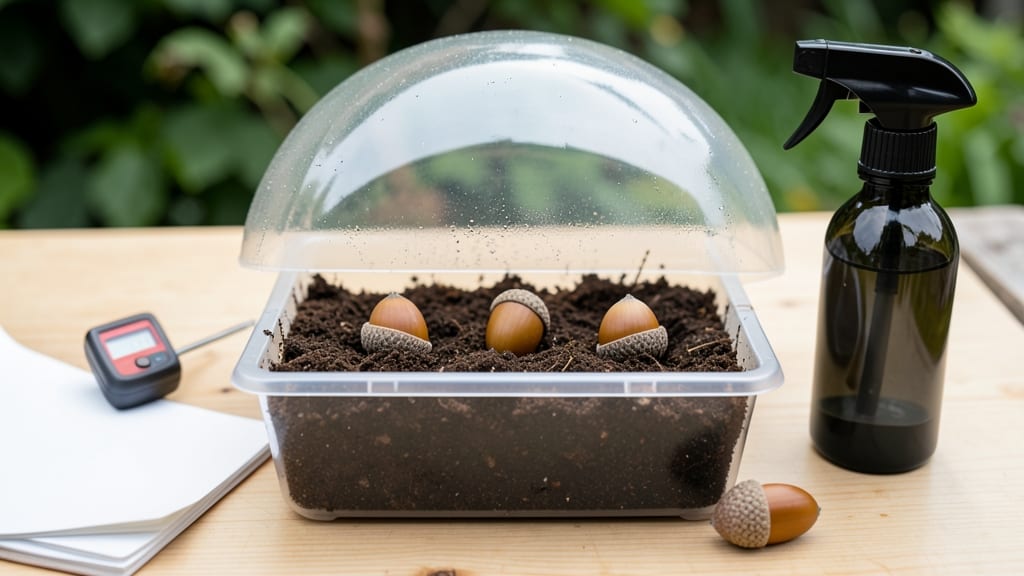
Germinating oak tree seeds feels like waiting for a slow-motion miracle—until you crack the cold-stratification code. 🌱 The key isn't just patience; it's mimicking nature's winter chill to break dormancy, and once you master it, you'll see those first green shoots in just 6 weeks.
My first batch took three tries before I got it right, but now I grow sturdy seedlings every time. You'll need a few simple supplies: acorns (fresh or stored properly), a damp paper towel or peat moss, a sealed plastic bag, and a fridge for 8-12 weeks of cold treatment.
The trick is keeping them moist but not soggy—think damp sponge, not dripping wet. Oak seeds are stubborn, but this method works even for tough varieties like white or red oaks.
By the time you plant them in well-draining soil, you'll watch those tiny roots emerge within 2-3 weeks, followed by leaves that look like tiny oak leaves. The payoff? A strong, healthy seedling ready for transplanting come spring, with a 90%+ success rate if you nail the stratification step.
This works for any oak species, whether you're growing from backyard acorns or nursery seeds. The patience pays off with trees that'll outlive you—and your neighbors' envy. Let's get those acorns sprouting!
📚 In This Guide
- What you need
- Instructions
- Tips and common mistakes
- Wrapping up and next steps
What you need
- ● Fresh oak acorns (seeds): Collect at least 20-30 acorns from mature oak trees (preferably from the same species you want to grow). Ensure they’re plump, firm, and free of cracks or mold.
- ● Cold-stratification medium: Option 1: Moistened peat moss or coco coir (4–6 cups, sterilized to prevent fungal growth).
- ● Option 2: Vermiculite or perlite (4–6 cups, fine-grade for even moisture retention).
- ● Plastic storage bags or containers: 2–3 quart-sized bags with ziplock seals or airtight containers (like Tupperware) with small ventilation holes (use a needle to poke 2–3 tiny holes).
- ● Labeling supplies: Waterproof markers or tags to label bags with the date and oak species (if known).
- ● Refrigerator or cold stratification setup: A standard home fridge (34–40°F / 1–4°C) with consistent temperature. Avoid freezer sections!
- ● Spray bottle: For gentle misting to keep the medium moist (not soggy).
- ● Small pots or seed trays: 4–6 4-inch pots or a seed tray with drainage holes filled with well-draining potting mix (e.g., 50% peat moss + 50% perlite/sand).
- ○ Heat mat (optional but helpful): A seedling heat mat (70–75°F / 21–24°C) to speed up germination once stratification is complete.
- ● Growth chamber or propagator: For controlled humidity during germination (especially if your home is dry).
- ● Fungicide (e.g., hydrogen peroxide 3%): To soak acorns for 10–15 minutes before stratification and reduce rot risk.
- ● Grow lights: If germinating indoors before transplanting outdoors (12–16 hours of cool-white LED light daily).
- ● Journal or tracking app: To log dates, moisture levels, and germination progress for future reference.
Step-by-step instructions for germinating oak tree seeds
Oak trees need patience, but this cold-stratification method works every time—no fancy equipment required.
🌱 Step 1: Harvest and Prepare the Acorns
Collect fresh acorns in fall when they drop naturally—green acorns won’t germinate. Remove any with holes or soft spots (signs of pests or rot). I like to soak them in warm water for 24 hours first to soften the hard shell and speed up the process. This also helps flush out any lingering insects hiding inside.
After soaking, drain the water and let the acorns air-dry completely for 24 hours on a paper towel. This prevents mold when we store them. Place them in a paper towel (not plastic) and fold it loosely—just enough to hold them without crushing. Label a small container with the date and variety if you know it.
💧 Step 2: Cold-Stratify for 6-8 Weeks
Store the container in your refrigerator’s crispier drawer (around 35-40°F) for 6-8 weeks. This mimics winter conditions and breaks the seed’s dormancy. Check them weekly—if you see mold, toss those acorns immediately and replace the paper towel for the rest.
Here’s the thing—you’ll notice some acorns start sprouting tiny white roots after 4-6 weeks. That’s perfect! Don’t rush to plant them yet. The cold stratification must complete fully. If roots reach ½ inch long, they’re ready for the next step.
☀️ Step 3: Plant in Moist Growing Medium
Fill a shallow tray with sphagnum moss or a 50/50 mix of peat and perlite. Moisten it until damp but not soggy—think of a wrung-out sponge. Plant the acorns ½ inch deep, root-side down, spacing them 2 inches apart. I use a pencil to make small holes—it’s the easiest way to avoid damaging the delicate roots.
Cover the tray with clear plastic wrap and poke a few small holes for airflow. Place it in a warm, bright spot (70-75°F), like a sunny windowsill. You’ll see sprouts emerge in 1-2 weeks, but don’t remove the plastic yet—it keeps humidity high while roots establish.
🌿 Step 4: Transition to Soil and Light
Once the seedlings have 2-3 true leaves (not just the first tiny cotyledons), it’s time to transplant. Gently lift each seedling and place it in a 4-inch pot filled with well-draining potting mix. Bury the stem up to the first set of leaves—this encourages stronger root growth.
Move the pots to a sunny window or under a grow light for 12-14 hours daily. Oak seedlings need light to stay sturdy. You’ll know they’re thriving when new leaves appear every 2-3 weeks. Water when the top inch of soil feels dry—never let them sit in wet soil.
⏰ Step 5: Harden Off and Plant Outdoors
When seedlings are 6-12 inches tall (usually after 6-12 months), they’re ready for the ground. Start hardening them off by placing them outside in partial shade for 1-2 hours daily, gradually increasing time over 2 weeks. This prepares them for full sun and wind.
Plant in a permanent spot in early spring or fall, when soil temperatures are 50-60°F. Dig a hole twice as wide as the root ball but no deeper. Water deeply after planting, and mulch with 2 inches of wood chips to retain moisture. Oak trees grow slow but strong—give them space to thrive!
Tips & tricks for perfect oak seed germination
These little-known tricks will help you avoid common pitfalls while growing sturdy oak seedlings.
Acorn Selection: Look for plump acorns that weigh about 0.5 ounces each—they're more likely to germinate successfully. Avoid any that feel hollow when tapped or have visible cracks. I've found that white oak acorns (with rounded caps) often germinate faster than red oak varieties. Store your selected acorns in a cool, dry place until you're ready to start the process.
Cold Stratification: The 6-8 week cold stratification period is non-negotiable for oak seeds. If you're impatient and check too early (before 4 weeks), you might see false starts that won't develop properly. I recommend setting a reminder to check weekly—this prevents over-monitoring which can stress the seeds. The crispier drawer maintains that crucial 35-40°F temperature consistently, but if your fridge runs cooler, place the container on a shelf instead.
Planting Medium: For the sphagnum moss or peat/perlite mix, I prefer using a blend that holds moisture but drains well—think of it like a damp sponge. If you can't find sphagnum moss locally, coconut coir makes an excellent substitute. The key is to keep it consistently moist but never soggy during the germination phase. A spray bottle works perfectly for maintaining even moisture without overwatering.
Light Requirements: Oak seedlings need that 70-75°F warm spot during germination, but don't be tempted to use heat lamps. A simple sunny windowsill works perfectly if you have south-facing windows. If your home lacks natural light, a basic grow light on a timer for 12-14 hours daily will suffice. The seedlings will naturally lean toward the light—this is normal and indicates they're actively growing toward their light source.
Pro Tips for Germinate Oak Tree Seeds
- These little-known tricks will help you avoid common pitfalls while growing sturdy oak seedlings.
- Acorn Selection: Look for plump acorns that weigh about 0.5 ounces each—they're more likely to germinate successfully...
- Cold Stratification: The 6-8 week cold stratification period is non-negotiable for oak seeds. If you're impatient and...
Frequently asked questions
Got questions about germinating oak tree seeds? You’re not alone—this process can feel tricky! Below are answers to the most common queries to help you navigate the steps with confidence.
How long does it take for oak seeds to germinate after cold stratification?
After completing 6–8 weeks of cold stratification (in the fridge), germination can take another 2–12 weeks once planted. White oak seeds often sprout faster (4–8 weeks), while red oaks may take longer (up to 3 months). Patience is key—keep the soil moist and warm!
Can I skip cold stratification and still germinate oak seeds?
Nope! Cold stratification is essential for breaking oak seeds’ dormancy. Without it, seeds may never sprout—or take years to germinate naturally. If you’re short on time, try soaking seeds in water for 24 hours before stratification to soften the shell slightly.
What’s the best soil mix for germinating oak seeds?
Use a light, well-draining mix like:
- 50% peat moss or coco coir
- 30% perlite or vermiculite
- 20% sand (for aeration)
My oak seeds are moldy after stratification—what went wrong?
Mold usually means too much moisture or poor airflow. To fix it:
- Dry the seeds slightly before replanting.
- Use a sterilized growing medium.
- Space seeds 1–2 inches apart in pots.
- Water gently from the bottom (no overhead spraying).
Should I plant oak seeds directly in the ground or start indoors?
For best results, start indoors in late winter/early spring (after stratification). Oak seedlings are delicate—outdoor planting (fall or spring) works but risks rodent damage or harsh weather. If outdoors, use wire mesh cages to protect young sprouts!
Wrapping up and next steps
Germinating oak tree seeds may take patience, but with the right techniques—like cold stratification—you can unlock the potential of these majestic trees in just 6 weeks! 🌱 Remember, consistency is key: keep those seeds moist, maintain the right temperature, and let nature do the rest.
Once your little acorns sprout into sturdy seedlings, you’ll be well on your way to nurturing a future forest.
Ready to take the next step? Plant your germinated seedlings outdoors in a sunny, well-drained spot and watch them thrive. Happy growing—and may your oak trees stand tall for generations! 🌳✨