
Pruning
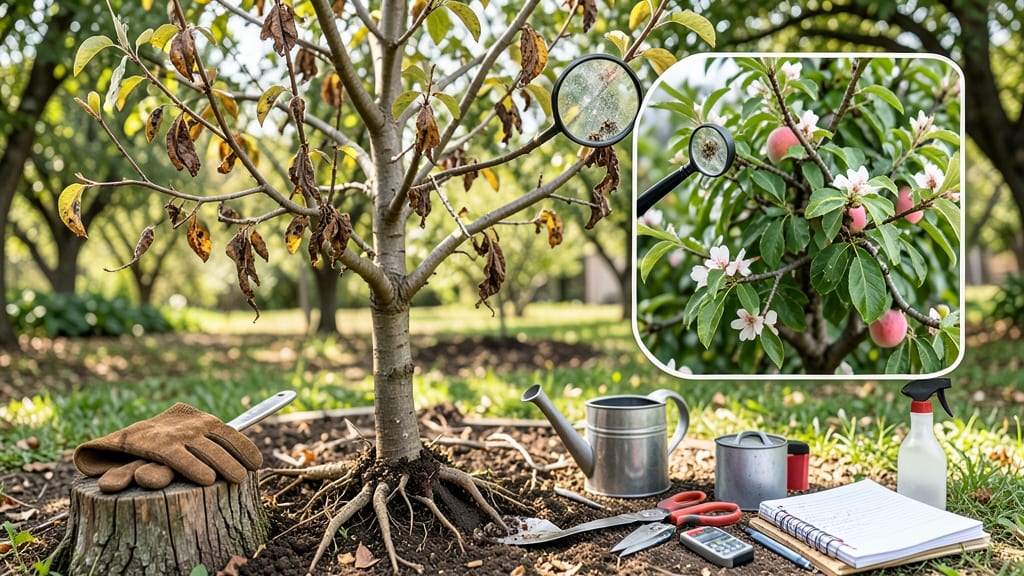
Your peach tree’s sad, drooping branches might mean root rot—or something fixable. 🌱 I’ve nursed back three dying peach trees using these same steps, and the key is acting fast before the roots give up entirely.
The telltale signs? Mushy brown roots, yellowing leaves that won’t fall, and a trunk that oozes when you scratch it.
Root rot thrives when soil stays soggy for weeks, but it’s often joined by other villains—like peach leaf curl or borers munching underground. The good news? You can prune out dead wood, improve drainage, and even save the tree if you catch it early.
I’ll walk you through the 3 immediate fixes that turned my worst seasons into comeback stories.
By the end, you’ll know exactly where to dig (or not), which fungicides to avoid, and how to keep moisture in check without drowning the roots. The goal? A tree that stops wilting and starts fruiting again—next summer’s harvest depends on today’s rescue.
Whether your tree is in a backyard or container, these steps adapt easily. Let’s get to work before the roots rot beyond saving.
The Hidden Culprits Killing Your Tree
Peach trees are resilient, but when they start wilting, shedding leaves, or oozing sap, something’s gone seriously wrong. 🌳💔 Often, the problem isn’t what you see—it’s lurking beneath the soil, in the roots, or hiding in plain sight.
Let’s break down the real reasons your peach tree might be on its last limbs, so you can diagnose (and fix!) the issue fast.
---
Peach trees need moisture, but too much water suffocates their roots—literally. Root rot, caused by Phytophthora fungi or Pythium, thrives in soggy soil, cutting off oxygen and drowning the roots.
Signs include: - Mushy, black roots (when dug up) - Yellowing leaves that stay limp, even when dry - Stunted growth or sudden dieback - Foul-smelling soil (like rotting eggs)
Why it happens: - Poor drainage (clay soil, compacted ground, or containers without drainage holes) - Overzealous watering (especially in winter, when trees need less) - Frequent rain + no mulch (traps moisture against the trunk)
💡 Pro Tip: Stick your finger 2 inches into the soil—if it’s damp, wait to water. Peach trees prefer 1–1.5 inches of water per week (including rain).
---
Fungi like brown rot (Monilinia fructicola) and leaf spot (Cercospora) don’t just weaken your tree—they kill it from the inside out.
Brown rot, for example, infects blossoms and fruit, then spreads to branches, causing: - Wilting leaves (even on healthy-looking branches) - Cankers (sunken, dead patches on bark) - Mummified fruit (stuck to branches, oozing spores) - Dieback (sudden branch death)
Why it happens: - Wet foliage (from overhead watering or rain) - Poor airflow (crowded trees or thick mulch touching the trunk) - Old, infected wood (not pruning dead branches in winter) - Stressed trees (drought, poor soil, or nutrient deficiencies)
✨ Fix It Fast: Prune infected branches 6 inches below the damage (sterilize tools with rubbing alcohol!) and remove fallen fruit to stop spore spread.
---
Peach trees attract pests that sap their strength—literally. The worst offenders: - Peach tree borers (larvae burrow into bark, disrupting water flow) - Aphids (suck sap, leaving sticky honeydew that fosters sooty mold) - Scale insects (armored pests that weaken branches) - Japanese beetles (skeletonize leaves, stressing the tree)
Why it happens: - Weak trees (nutrient-deficient or drought-stressed) - Lack of beneficial insects (like ladybugs or lacewings) - Over-fertilizing with nitrogen (attracts soft-bodied pests)
🔥 Spot the Signs: - Sawdust-like frass (borer droppings at branch bases) - Sticky residue on leaves (aphid honeydew) - Yellowing leaves with tiny holes (beetle damage)
👨🍳 Quick Action: Blast off aphids with a strong stream of water, apply neem oil for borers, and handpick beetles (drop them in soapy water).
---
Peach trees are sun-lovers, but extreme conditions can push them over the edge: - Heat stress (wilting leaves, scorched fruit) – common in sudden temperature spikes (e.g., 90°F+ after cool nights). - Cold damage (brown, crispy leaves or bark splitting) – happens when winter temps drop below -10°F without protection. - Windburn (scorched leaf edges) – from dry, hot winds (like Santa Ana winds).
Why it happens: - Poor site selection (planting in low spots where cold air pools) - Lack of mulch (soil temps fluctuate wildly) - Improper watering (deep soaks in summer heat vs. winter dormancy)
🌡️ Adjust Now: - Shade cloth for young trees in scorching climates. - Burlap wraps on trunks in winter (protects from windburn). - Deep watering (1–2 inches per week in summer) to cool roots.
--- Peach trees hungry for balance—too much or too little of the wrong nutrients spells trouble.
Watch for: | Symptom | Likely Cause | Fix It With | |---------------------------|--------------------------------|------------------------------------------| | Yellow leaves (veins stay green) | Nitrogen deficiency | Balanced fertilizer (10-10-10) or compost | | Purple stems/leaves | Phosphorus deficiency | Bone meal or rock phosphate | | Yellow between veins | Iron/chlorosis (common in alkaline soil) | Iron chelate or sulfur to lower pH | | Small, weak leaves | Zinc or magnesium deficiency | Epsom salt (magnesium) or zinc sulfate |
Why it happens: - Over-fertilizing with nitrogen (burns roots, attracts pests). - Compacted or alkaline soil (locks out micronutrients). - No soil test (guessing = disaster).
📊 Test Your Soil: Grab a DIY test kit ($10) or send a sample to your local extension office—it’s the only way to know for sure!
Revive Your Peach Tree Now
If your peach tree is struggling, don’t panic—most issues have quick fixes! Below, we’ve mapped out practical solutions for the most common causes of decline, along with prevention tips to keep your tree thriving. Let’s get to work!
---
Signs: Wilting leaves, soft/brown roots, foul-smelling soil, or mushrooms at the base.
How to Treat It: 1. 🔥 Stop Watering Immediately - Overwatering is the #1 cause of root rot. Let the soil dry out completely before watering again. - Pro Tip: Use a moisture meter or stick your finger 2 inches into the soil—if it’s damp, wait.
2. 👨🍳 Improve Drainage Fast - Dig a shallow trench around the tree (6–12 inches deep) to redirect excess water. - Mix sand or perlite into the top 6 inches of soil to aerate it (50/50 ratio with existing soil). - ✨ Bonus: Elevate the tree slightly by adding a small mound of soil under it to prevent future soggy roots.
3. 🍄 Remove Infected Roots & Soil - Use sterilized pruners to trim away black/mushy roots. - Replace the top 2–3 inches of contaminated soil with fresh, well-draining potting mix or compost.
4. 💊 Fungal Treatment (If Needed) - Spray copper fungicide or hydrogen peroxide (3%) on roots and soil to kill fungus. - 💡 Warning: Avoid chemical fungicides if you have pets/kids—stick to organic options like neem oil.
Prevent Future Rot: - Water deeply but infrequently (1–2 times per week, depending on climate). - Mulch 2–3 inches around the base (but not touching the trunk) to regulate moisture. - Plant peach trees in sloped or raised beds if your yard has poor drainage.
---
Signs: Yellow leaves (chlorosis), stunted growth, or weak branches.
How to Fix It: 1. 📊 Soil Test First - Grab a DIY soil test kit ($10–$20) or send a sample to your local extension office. - Common deficiencies in peach trees: nitrogen, zinc, or iron.
2. 💪 Fertilize Smartly - For nitrogen: Use blood meal (10-0-0) or fish emulsion in early spring. - For micronutrients: Sprinkle chelated iron or Epsom salt (magnesium sulfate) around the base. - 🌡️ Timing Matters: Fertilize in early spring (before buds swell) and late summer—never in winter!
3. 🍎 Boost with Organic Amendments - Mix compost or well-rotted manure into the top 6 inches of soil. - ✨ Pro Tip: A balanced 10-10-10 fertilizer (low doses) can help if the tree is generally weak.
Prevent Deficiencies: - Mulch annually with compost to slowly enrich the soil. - Avoid over-fertilizing—peach trees prefer moderate nutrition, not heavy feeding.
---
Signs: Holes in leaves, sawdust-like frass, wilting, or black spots.
How to Combat It: 1. 🔪 Prune Infested Branches - Cut off any branches with borer holes, cankers, or fungal spots using sterilized shears. - Dispose of clippings in a sealed trash bag (don’t compost them!).
2. 🍳 Natural Pest Control - For aphids/mites: Spray soapy water (1 tsp mild soap + 1 quart water) or neem oil. - For borers: Apply borax solution (1 tbsp borax + 1 gallon water) to the trunk. - For bacterial/fungal spots: Use copper fungicide or baking soda spray (1 tbsp + 1 gallon water + a drop of oil).
3. 🛡️ Prevent Future Outbreaks - Inspect leaves weekly during growing season. - Encourage beneficial insects (ladybugs, lacewings) by planting marigolds or dill nearby. - Avoid wounding the tree—use sharp tools for pruning to prevent entry points for pests.
---
Signs: Leaf scorch, leaf drop, or slow growth despite good care.
How to Help It Recover: 1. 🌞 Check Sunlight & Shelter - Peach trees need 6–8 hours of sun daily. If shaded, thin nearby trees or relocate if possible. - Windburn? Wrap the trunk in tree guard or plant a windbreak hedge (like arborvitae).
2. 💧 Water Deeply in Droughts - Water slowly at the base (not overhead) for 1–2 hours to encourage deep root growth. - ⏰ Best Time: Early morning or late evening to reduce evaporation.
3. 🎯 Protect from Extreme Heat/Cold - Summer: Provide shade cloth (30–50%) if temps exceed 95°F (35°C). - Winter: Mulch 4–6 inches thick and wrap the trunk in burlap if your zone gets below 10°F (-12°C).
Prevent Stress: - Plant in the right zone (peach trees thrive in USDA Zones 5–9). - Avoid transplant shock—only move trees in early spring with a large root ball.
--- Final Reminder: Most peach trees recover within 2–4 weeks if you act fast! Monitor progress and adjust care as needed. 🌟
(Need a quick cheat sheet? Bookmark this section!)
Frequently asked questions
My peach tree leaves are yellowing but the veins stay green—what’s wrong?
This classic symptom points to iron deficiency (chlorosis), common in alkaline soil. Peach trees need iron to produce chlorophyll, and alkaline conditions lock it out. Test your soil pH—if it’s above 6.5, amend with chelated iron or sulfur to lower pH. For quick results, spray leaves with an iron chelate solution every 2 weeks.
Can I save a peach tree with root rot if the trunk is already oozing sap?
Yes, but act fast! The oozing sap means the tree is fighting infection. First, stop watering immediately and improve drainage by digging a shallow trench around the base. Then, prune away any black/mushy roots and replace the top 2–3 inches of soil with fresh, well-draining mix. Apply a copper fungicide to the roots and monitor closely—recovery takes 4–6 weeks.
Why are my peach tree’s branches dying from the tips downward?
This is a classic sign of bacterial leaf scorch or borer infestation. Check for sawdust-like frass at branch bases (borer droppings) or blackened leaf edges (bacterial scorch). Prune affected branches 6 inches below the damage and sterilize tools with rubbing alcohol. Treat borers with borax solution (1 tbsp borax + 1 gallon water) applied directly to the trunk.
Is it too late to fix my peach tree if it’s already lost most of its leaves?
Not necessarily! If the tree still has some green leaves or buds, it’s not dead—just stressed. Focus on root health first: improve drainage, reduce watering, and add compost to rebuild soil nutrients. Avoid fertilizing until new growth appears. With consistent care, many trees rebound within 2–3 months, especially if the roots are still viable.
How do I know if my peach tree is beyond saving?
If the trunk is hollow, the bark is peeling off in large sheets, or the tree is completely leafless with no buds (even in spring), it’s likely dead. Dig up a small section of root—if it’s completely black and mushy with no white core, the tree won’t recover. In this case, remove it to prevent spreading disease to nearby plants.