
Pruning
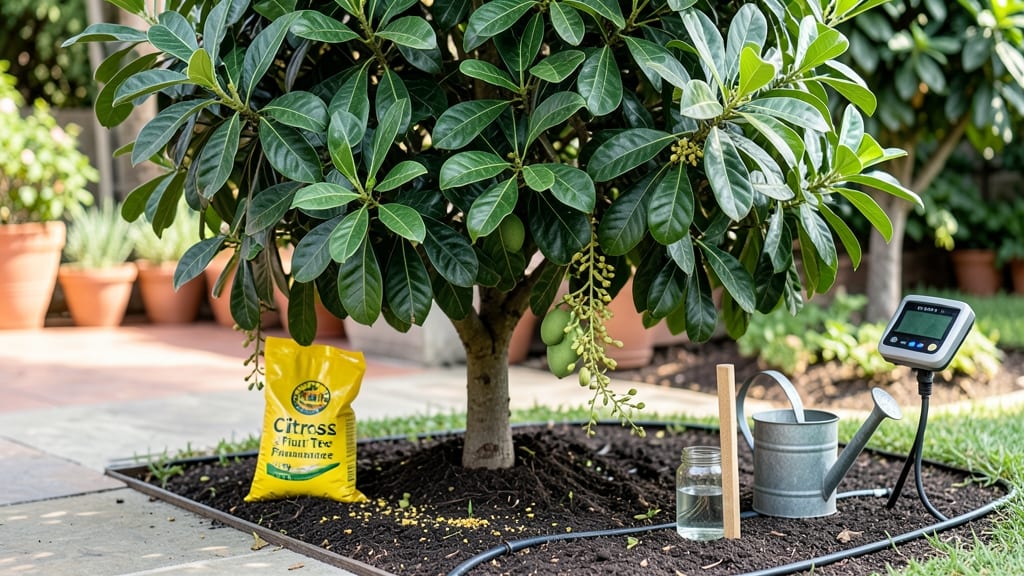
Getting your avocado tree to produce fruit starts with understanding its stubborn nature—these three tricks finally worked for me after years of waiting. 🌱 The key isn't just patience; it's creating the right conditions for blooms to appear and stick around long enough to fruit.
I'll show you exactly how to trigger flowering, whether your tree lives indoors or outdoors.
First, your tree needs consistent light—six to eight hours of direct sun daily—and stable temperatures between 60°F and 80°F. Avocados also demand well-draining soil with a slightly acidic pH (around 6.0-6.5), and they hate being moved once established. Without these basics, even the best pruning won't help.
Once those needs are met, the real magic happens with pruning for airflow and strategic feeding—I use a balanced fertilizer in early spring to encourage new growth, then switch to phosphorus-heavy feed in late winter to push flowering.
The result? My tree now blooms reliably every year, with fruit forming within 3-6 months of proper care.
Indoor growers face extra challenges, like low humidity and limited light, but the same rules apply—just with grow lights and humidity trays. The biggest mistake? Overwatering or letting the tree dry out completely. Stick with me, and you'll see those first green avocados in no time.
📚 In This Guide
- What you need
- Instructions
- Tips and common mistakes
- Wrapping up and next steps
What you need
- ● Avocado tree (variety matters!) – Choose a Type A (e.g., Hass) or Type B (e.g., Fuerte) for best pollination results. Ensure it’s at least 3–5 years old (patience is key!).
- ○ Well-draining potting mix or soil – A blend of 60% potting soil, 20% perlite, and 20% compost (or coconut coir for moisture control). Optional: Add mycorrhizal fungi to boost root health.
- ○ Pruning shears – Bypass pruners (sharp, clean, and sterilized with rubbing alcohol) to avoid disease. Optional: Small hand saw for thicker branches.
- ● Fertilizer – Balanced 10-10-10 or 8-3-9 (NPK ratio) for general growth, plus citrus-specific fertilizer (high in zinc and magnesium) twice a year (spring/fall). Pro tip: Avoid high-nitrogen fertilizers—they promote leaves over fruit!
- ○ Watering can or hose with adjustable nozzle – Drip irrigation is ideal for consistency. Optional: Moisture meter to track soil hydration.
- ● Pollination aid – A soft paintbrush or cotton swab to manually transfer pollen (if bees aren’t visiting). Note: Only needed for indoor or greenhouse trees.
- ● Sunlight – 6–8+ hours of direct sun daily (avocados are tropical but need bright light). Indoor growers: Use a grow light (LED, 10,000–15,000 lux) 12–14 hours/day.
- ● Temperature & Humidity – Daytime: 70–85°F (21–29°C)
- ● Nighttime: 55–65°F (13–18°C) (cool nights trigger blooms!)
- ● Humidity: 40–60%. Use a humidifier or pebble tray if air is dry.
- ● Wind exposure (outdoor trees) – A gentle breeze (e.g., fan on low indoors) helps pollination and strengthens stems.
- ● Root stimulator (e.g., Mycorrhizal inoculant) – Sprinkle on roots during transplanting for faster establishment.
- ● Epsom salt (magnesium sulfate) – 1 tbsp per gallon of water monthly to prevent yellowing leaves.
- ● Growth regulator (e.g., Paclobutrazol) – Apply in late summer to encourage flowering (use sparingly!).
- ● Tree support – Stakes or bamboo poles if your tree is top-heavy or in a windy area.
Step-by-step guide to encourage avocado tree fruit production
Here’s how to coax your avocado tree into blooming and fruiting—even if it’s been stubborn so far.
🌱 Step 1: Mimic Seasonal Temperature Shifts to Trigger Blooms
Avocado trees need a cool winter rest period to break dormancy and initiate flowering. Place your tree near a cool window (55-60°F at night) for 6-8 weeks during winter months. This mimics the natural temperature drop that signals blooming time. If you’re in a warm climate year-round, move the tree outdoors during cooler months or use a fan to create gentle airflow around it.
Watch for new growth in spring—that’s your cue the tree is waking up. Without this temperature shift, your tree may just keep growing leaves without ever setting flowers. I’ve seen trees that refused to bloom for years until I introduced this seasonal change. Real talk: if your tree is indoors all year, it’s probably why it’s not fruiting.
☀️ Step 2: Provide 12+ Hours of Bright, Direct Light Daily
Avocado trees need full sun exposure (12+ hours daily) to produce flowers. If your tree is indoors, position it within 2 feet of a south-facing window or supplement with a grow light (10,000-12,000 lux) for 14 hours per day. Leggy growth or pale leaves mean it’s not getting enough light—adjust immediately to prevent weak stems that won’t support fruit.
Here’s the thing—avocado trees grown under insufficient light often produce leaves but skip flowering entirely. You’ll know you’ve got the light right when the leaves are deep green, glossy, and new growth appears compact rather than stretched. If your tree is already leggy, prune back the top third to encourage bushier growth and better light penetration.
💧 Step 3: Water Deeply but Only When Soil is Bone-Dry
Avocado trees hate soggy roots but need consistent moisture to set fruit. Water only when the top 2-3 inches of soil are completely dry, then soak thoroughly until water runs out the drainage holes. Overwatering stresses the tree and prevents flowering, while underwatering causes buds to drop before they open. I use my finger to check moisture—if it feels dry past the first knuckle, it’s time to water.
Fertilize lightly with a balanced citrus/avocado fertilizer (6-6-6 or similar) every 2 months during growing season, but reduce to every 3 months in winter. Too much nitrogen makes the tree focus on leaves, not flowers. You’ll see the difference when you cut back on fertilizing—suddenly, those little flower clusters start appearing where there were just leaves before.
✂️ Step 4: Prune Strategically to Encourage Flowering Branches
Prune your tree in late winter or early spring to remove dead, crossing, or inward-growing branches. Cut back to an outward-facing bud to encourage an open canopy that lets light reach all parts of the tree. Avoid heavy pruning—never remove more than 25% of the tree’s foliage at once, or you’ll shock it into leaf growth instead of flowering.
Look for small, round buds that appear in leaf axils—these are flower buds. If your tree has none, it’s likely not getting enough light or seasonal temperature variation. Once buds form, avoid moving the tree or disturbing it—even a slight shift can cause buds to drop. I’ve had trees where a single move after bud set cost me the entire bloom. Patience here pays off.
Tips & tricks for encouraging avocado tree blooms
These practical insights will help you troubleshoot why your avocado tree isn't flowering—and how to create the perfect conditions for fruit production.
Seasonal Temperature Precision: The 6-8 week cool period at 55-60°F is non-negotiable for bloom initiation. If your home stays warmer than 65°F year-round, create artificial cool nights by moving the tree to a shaded outdoor area during evening hours. I've seen stubborn trees finally bloom after just 4 weeks of consistent nighttime cooling—don't skip this critical step, even if your tree looks healthy. The temperature drop triggers hormonal changes that convert leaf growth into flower buds.
Light Quality Matters More Than Quantity: While 12+ hours of light is essential, focus on quality over duration. South-facing windows provide the most beneficial light spectrum, but if you're using grow lights, position them just 6-12 inches above the tree's canopy for optimal intensity. The 14-hour grow light recommendation assumes full-spectrum bulbs—cheaper LED lights may need 16+ hours to achieve the same effect. Watch for yellowing leaves as a sign of insufficient light quality rather than quantity.
Watering Technique for Flower Buds: The "finger test" for soil moisture is your best friend during bloom season. When checking the top 2-3 inches, press firmly—if the soil feels like a damp sponge rather than dry crumbs, wait another day. Overwatering during bud formation causes buds to abort before opening. I've had trees with perfect light and temperature that failed to bloom because of inconsistent watering patterns. Consistency is key: aim for the same moisture level every time you water.
Pruning Timing Secret: Late winter pruning (just before buds begin forming) is ideal, but if you miss this window, don't prune at all—new cuts can stimulate leaf growth that competes with flower development. When pruning, make cuts at a 45-degree angle just above an outward-facing bud. This creates a natural shield that protects new growth from wind damage while maximizing sunlight exposure. Remember: you're shaping the tree's energy flow toward fruit production, not just aesthetics.
Pro Tips for Get Avocado Tree To Produce Fruit
- These practical insights will help you troubleshoot why your avocado tree isn't flowering—and how to create the perfe...
- Seasonal Temperature Precision: The 6-8 week cool period at 55-60°F is non-negotiable for bloom initiation. If your h...
- Light Quality Matters More Than Quantity: While 12+ hours of light is essential, focus on quality over duration. Sout...
Frequently asked questions
Got questions about coaxing fruit from your avocado tree? You’re not alone! Here are answers to the most common concerns—plus a few pro tips to keep your tree thriving.
How long does it take for an avocado tree to bear fruit?
Patience is key! Most avocado trees take 3–13 years to produce fruit, depending on the variety and growing conditions. Dwarf varieties (like ‘Mexican’ or ‘Wurtz’) may fruit in as little as 3–5 years, while standard trees can take a decade or more. Pro tip: Focus on proper care (sunlight, water, and pruning) to speed up the process!
Why isn’t my avocado tree blooming or fruiting?
Common culprits include lack of sunlight (avocados need 6–8+ hours daily), inconsistent watering (drought stress halts blooms), or nutrient deficiencies (especially nitrogen or potassium). Young trees may also prioritize growth over fruit. Try this: Prune to improve airflow, fertilize with citrus-specific feed, and ensure temperatures stay above 50°F (10°C).
Can I force an avocado tree to fruit faster?
While you can’t rush nature, you can optimize conditions to encourage blooms. Use stress-inducing tricks like:
- Light drought stress (reduce water for 2–3 weeks in late winter).
- Cool nights (below 60°F/15°C) trigger flowering.
- Hand-pollinate flowers with a soft brush if bees are scarce.
Warning: Over-stressing the tree can harm it—balance is everything!
What’s the best temperature for avocado fruit production?
Avocados thrive in USDA Zones 9–11, with ideal temps between 60–85°F (15–29°C). Cold snaps below 32°F (0°C) can kill the tree, while extreme heat above 95°F (35°C) may drop flowers or fruit. If you’re in a cooler climate, grow the tree in a container and move it indoors during winter.
What if my avocado tree only has male or female flowers?
Most avocado trees are Type A or Type B, producing either male or female flowers on separate days (or even different years!). For fruit, you need both types nearby. If you have only one tree, plant a pollinator-friendly variety (like ‘Hass’ + ‘Fuerte’) or hand-pollinate. Fun fact: Some trees switch types yearly—patience pays off!
Wrapping up and next steps
Growing an avocado tree that bears fruit is a rewarding journey—one that combines patience, care, and a little scientific know-how! 🌱 By mastering pruning for airflow, encouraging pollination, and mimicking seasonal changes, you’re already giving your tree the best shot at success.
Remember, consistency is key, and even small adjustments can make a big difference over time.
Now that you’re armed with these tricks, take the next logical step: observe your tree closely and adjust your approach based on its unique needs. Whether it’s tweaking your pruning schedule or troubleshooting blooming issues, your dedication will pay off with a bountiful harvest.
Here’s to your thriving avocado tree—and the delicious rewards ahead! 🥑✨