
Pruning
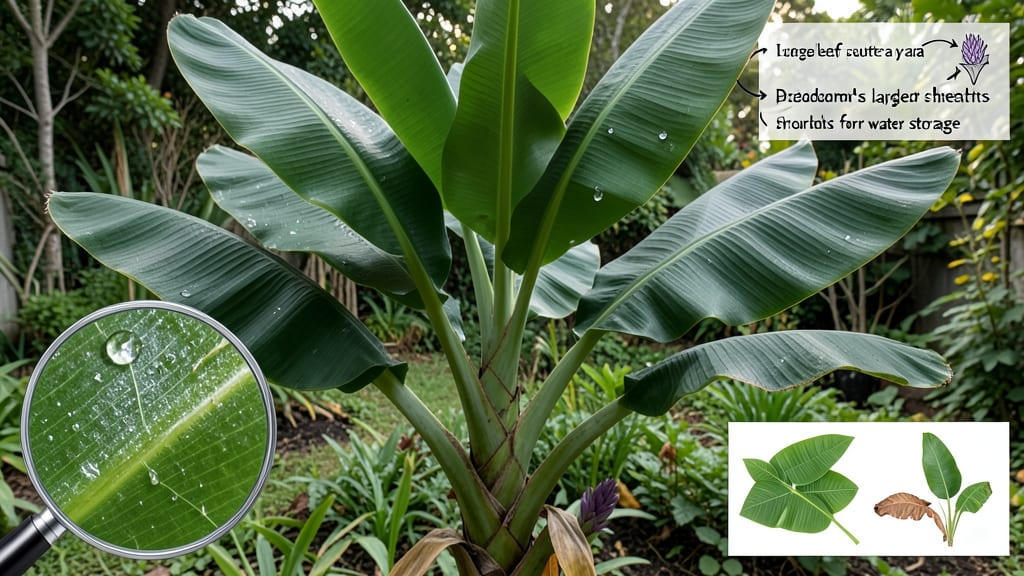
Banana trees aren’t just tropical showstoppers—they’re survivalists with a secret weapon: adaptations that let them thrive where others fail. 🌿 I’ve learned the hard way that these plants aren’t one-size-fits-all; their massive leaves, sprawling roots, and cold-tolerant varieties demand specific care to unlock their full potential.
The key? Understanding how nature built them—and working with those quirks, not against them.
Those giant leaves aren’t just for shade—they’re humidity traps, keeping the plant hydrated even in dry spells. Meanwhile, their roots spread wide to soak up nutrients from shallow soil, which is why banana trees often struggle in compacted ground.
And yes, some varieties (like the hardy Musa basjoo) can handle temps down to 15°F—but only if you prune them right. I’ve seen firsthand how proper trimming after frost saves a plant that would otherwise die back to the ground.
When you prune with these adaptations in mind, you’re not just tidying up—you’re encouraging stronger growth and better fruit production. Cut back dead fronds to let sunlight reach the center, and trim suckers to direct energy where you want it.
The result? A banana tree that stays productive year-round, even in less-than-ideal climates. It’s all about reading the plant’s natural signals and responding.
This guide will show you exactly how to mimic those tropical conditions—whether you’re in a warm zone or pushing the limits with cold-hardy varieties. No more guessing, no more failed harvests.
Just healthy, happy banana trees that reward your effort with lush foliage and sweet fruit. Let’s get started with the pruning basics that make all the difference.
📚 In This Guide
- What you need
- Instructions
- Tips and common mistakes
- Wrapping up and next steps
What you need
- ● Pruning shears: Sharp, bypass-style shears (4–6 inches) for clean cuts. (1 pair)
- ● Heavy-duty pruners: For thicker stems (1–2 inches in diameter). (1 pair)
- ● Gloves: Thick, cut-resistant gloves (e.g., leather or heavy-duty garden gloves). (1 pair)
- ● Disinfectant: 70% isopropyl alcohol or a 10% bleach solution to sterilize tools. (Small bottle or spray)
- ● Rubbing alcohol or hydrogen peroxide: For cleaning wounds on the tree. (Small bottle)
- ○ Pruning saw: Optional for very thick pseudostems (rare for home gardens). (1, if needed)
- ● Plastic bags or bucket: For collecting pruned fronds and debris. (1–2)
- ● Sharpie or marker: To label pruning dates or sections. (1)
- ● Garden twine or zip ties: For temporarily securing supports if your tree is top-heavy. (Small roll)
- ○ Compost bin: To recycle pruned fronds into nutrient-rich compost. (Optional)
- ○ Tree wound dressing: Pruning paste (e.g., Tanglefoot Tree Wound Pruning Sealer) for large cuts. (Small tube, optional)
- ● Ladder or step stool: If your banana tree is over 6 feet tall. (1, if needed)
- ● Knowledge of your banana tree’s variety: Some types (e.g., Musa acuminata) respond differently to pruning.
- ● Patience: Banana trees grow fast—prune at the right time (early spring or after fruiting).
- ● Safety first: Wear gloves and eye protection if your tree is near power lines or has thorns.
Step-by-Step pruning guide for year-round banana tree health
Here's how I transform banana trees into productive, disease-resistant powerhouses with minimal effort.
✂️ Step 1: Identify and Remove Dead or Diseased Pseudostems
Banana trees grow from a pseudostem—a false trunk made of tightly packed leaf sheaths. Start by inspecting your tree for any pseudostems that feel hollow when tapped or show blackened, mushy tissue. These are dead or diseased and must be removed immediately to prevent fungal spread. I always wear gloves for this step—banana sap can irritate skin.
Use sharp pruning shears to cut the pseudostem at its base, about 1-2 inches above the soil line. Never leave stubs—they trap moisture and accelerate rot. After cutting, disinfect your shears with rubbing alcohol between each pseudostem to prevent cross-contamination. You'll know you're doing it right when you see fresh, green tissue at the base of healthy pseudostems.
✂️ Step 2: Prune Old or Yellowing Leaves
Banana trees produce massive leaves that eventually yellow and die back. These old leaves compete with new growth for nutrients and can harbor pests. I prune them by hand—simply grasp the leaf base where it meets the pseudostem and twist gently until it snaps cleanly. Never use shears here; the leaf fibers are tough and can dull blades quickly.
Remove leaves that are more than 50% brown or yellow, focusing on the lower third of the plant first. This creates airflow and sunlight penetration to the center of the plant, which prevents fungal issues like sigatoka leaf spot. You'll notice new leaves emerging from the center within 2-4 weeks—that's your signal the tree is responding well.
☀️ Step 3: Thin the Canopy for Better Light Penetration
Banana trees grow best with 6-8 hours of direct sunlight daily, but dense foliage often blocks light from reaching the center. Stand back and look for leaves that overlap excessively or cast heavy shade on inner leaves. Selectively remove these by twisting them off at the base, starting with the largest, oldest leaves on the outer edges.
Your goal is to create a v-shaped canopy that allows sunlight to reach the center without removing more than 20-30% of the total foliage. You'll see this working when the inner leaves turn a brighter green and new shoots appear along the pseudostem. Avoid over-thinning—banana trees need some shade protection, especially in hot climates.
🌱 Step 4: Encourage New Growth with Strategic Cuts
Once the tree has produced fruit and the mother pseudostem begins to yellow, it's time to encourage new growth. Cut the mother pseudostem at the base, leaving only the sucker (the smaller pseudostem growing at the base). This sucker will become your next productive stem. I always leave at least 2-3 healthy suckers to ensure continuity—banana trees are monocarpic, meaning they die after fruiting.
After removing the old pseudostem, apply a balanced fertilizer (10-10-10) around the base of the remaining suckers. Water deeply but avoid soaking the soil—banana trees hate soggy roots. Within 4-6 weeks, you'll see the new pseudostem thicken and begin producing leaves, signaling it's ready for its turn to fruit.
⏰ Step 5: Seasonal Maintenance for Year-Round Vigor
Banana trees respond well to seasonal pruning adjustments. During spring, focus on removing any winter-damaged leaves and thinning the canopy to prepare for the growing season. In summer, prune aggressively after harvest to redirect energy into new growth. In fall, reduce pruning but keep removing dead leaves to prevent fungal overwintering.
I also recommend a light pruning in winter (if you're in a mild climate) to remove any remaining dead material before new growth begins. The key is to prune just enough to stimulate growth without stressing the plant. You'll know your seasonal maintenance is working when your banana tree produces 3-4 healthy pseudostems per year and shows consistent fruiting cycles.
Tips & tricks for thriving banana tree adaptations
Here's what nobody tells you about keeping your banana tree healthy through every season.
Timing is Everything: Those 2-4 weeks after pruning old leaves in Step 2 are critical for new growth. I've found that if you prune in early spring, you'll see the most dramatic response—new leaves emerge faster when the tree has access to fresh nutrients. Watch for the first signs of regrowth (tiny leaf buds) and protect them from pests with a light neem oil spray if needed. This is when your tree decides whether it will thrive or struggle.
The Canopy Secret: When thinning in Step 3, I always start with the largest leaves first—they're the biggest light blockers. Aim to create gaps that let sunlight reach the center, but don't remove more than 20-30% of the total foliage. Think of it like opening a window in a stuffy room: you want fresh air, but you don't want to create a draft. The v-shaped canopy creates perfect airflow while maintaining some shade protection for the tree's sensitive leaves.
Sucker Management: In Step 4, leaving 2-3 healthy suckers is your insurance policy. I've learned this the hard way—when I only kept one sucker, I lost my entire harvest when it failed. The extra suckers give your tree backup growth if one gets diseased or damaged. Plus, they help spread out the workload so no single stem gets overburdened with fruit production. You'll know you've got the right balance when you see all suckers growing at similar rates.
Seasonal Adjustments: Your winter pruning in Step 5 should be the lightest of all seasons. I treat it like giving my tree a spa day—just enough to remove dead material without stressing it. In colder climates, you might skip winter pruning entirely and wait until spring. The key is to match your pruning intensity to your local climate. You'll notice the difference in how quickly your tree bounces back in spring.
Pro Tips for Banana Tree Adaptations
- Here's what nobody tells you about keeping your banana tree healthy through every season.
- Timing is Everything: Those 2-4 weeks after pruning old leaves in Step 2 are critical for new growth.
- The Canopy Secret: When thinning in Step 3, I always start with the largest leaves first—they're the biggest light blockers.
Frequently asked questions
Got questions about keeping your banana tree thriving? Here are some of the most common ones—plus quick, practical answers to help you grow like a pro!
When is the best time to prune a banana tree?
The ideal time to prune is after harvest or during its dormant phase (late fall/winter in tropical climates). For container-grown trees, prune before new growth starts in spring to avoid stress. Avoid pruning during heavy fruiting or extreme weather.
How much of the banana tree can I safely cut back?
You can remove up to 70% of the pseudostem (the "trunk") if it’s dead or hollow, but never cut into live tissue. For healthy trees, focus on removing yellowing or damaged leaves and old flower stalks. Never prune more than ⅓ of the plant at once—gradual pruning prevents shock.
What should I do if my banana tree turns yellow after pruning?
Yellowing can signal stress—usually from over-pruning or poor recovery. Check these fixes:
- Ensure it gets 6+ hours of sunlight daily.
- Water deeply 2–3 times/week (keep soil moist but not soggy).
- Fertilize with potassium-rich feed (like banana peel tea) to boost recovery.
- Avoid pruning again for 3–6 months.
Can I grow a banana tree in a pot? What adaptations are needed?
Yes! Banana trees thrive in 15+ gallon containers with drainage holes. Use well-draining soil (mix potting soil with perlite or coconut coir). Adaptations include:
- Rotate the pot quarter-turn weekly for even growth.
- Fertilize monthly with a balanced NPK (10-10-10) during growing seasons.
- Move indoors or to a sheltered spot if temps drop below 50°F (10°C).
Will pruning my banana tree kill it?
Not if done correctly! Pruning won’t kill a healthy banana tree—it encourages new growth. However, over-pruning (cutting too aggressively) or poor timing (e.g., during frost or drought) can weaken it. Always use sterilized tools and avoid cutting into the meristem (the heart of the plant).
Pro Tip: Save those pruned leaves!
Instead of tossing banana tree leaves, compost them or use them as mulch—they’re nutrient-rich! You can also dry and grind them into a natural fertilizer for other plants. Win-win for your garden!
Wrapping up and next steps
From understanding the best times to prune 🌿 to mastering tools and techniques, you now have the knowledge to keep your banana tree thriving year-round! These adaptations—like selective pruning and disease prevention—ensure your tree stays healthy, productive, and resilient.
Whether you're a beginner or a seasoned gardener, every trim brings you closer to a lush, vibrant harvest.
Ready to put your skills into action? Grab your pruners and schedule your first session today! Start small, observe your tree’s response, and watch as your efforts bloom into success. Happy pruning! 🌱✨