
How To
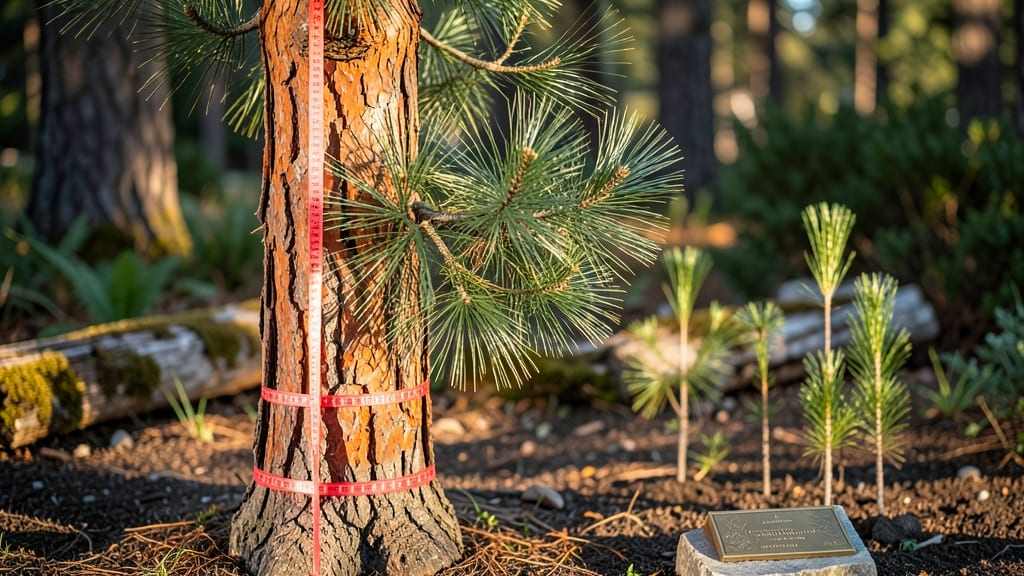
A pine tree’s how tall does a pine tree grow per year can range from just 6 inches to over 3 feet—depending on the species, your climate, and how well you care for it.
Picture this: you plant a Scotch pine in your yard, hoping for a quick shade solution, only to watch it creep along at 1 inch per year for the first decade.
Meanwhile, a Ponderosa pine in the right conditions could shoot up 3 feet annually—that’s a 200-foot giant in just 60 years! If you’re dreaming of a towering evergreen but want to know what to realistically expect, you’re in the right place.
Growth rates aren’t just about luck—they’re tied to soil quality, water access, and even your USDA Zone. A Loblolly pine in the humid South might outpace the same tree in a dry, rocky Zone 6a landscape.
Below, I’ll break down the fastest and slowest growers, how to spot a stunted tree, and the simple tweaks that can add a foot or more to its height each year.
Ready to turn your pine tree into a backyard giant? Let’s dig into the numbers, species-by-species, and the pro tips that make all the difference.

Pine tree annual growth rates by species: fastest and slowest growers
If you're planting pine trees for privacy screens or landscape accents, knowing their growth rates helps you plan decades ahead. Some pine species shoot up 3 feet per year in ideal conditions, while others barely creep along at 6 inches annually.
The difference comes down to genetics, climate, and care—so let's break down the fastest and slowest growers to help you choose the right species for your space.
Fast-growing pines like Loblolly and Ponderosa can transform your yard quickly, while slower varieties like Scots Pine and Eastern White Pine take patience but offer long-term stability.
Below, I’ve compiled growth rates for 10 common species, including their mature heights and time to maturity, so you can set realistic expectations for your landscape project.
Pro Tip: Growth rates slow dramatically after the first 10 years as trees mature. A 3-foot annual gain in year 3 might drop to just 1 foot per year by year 20.