
Pruning
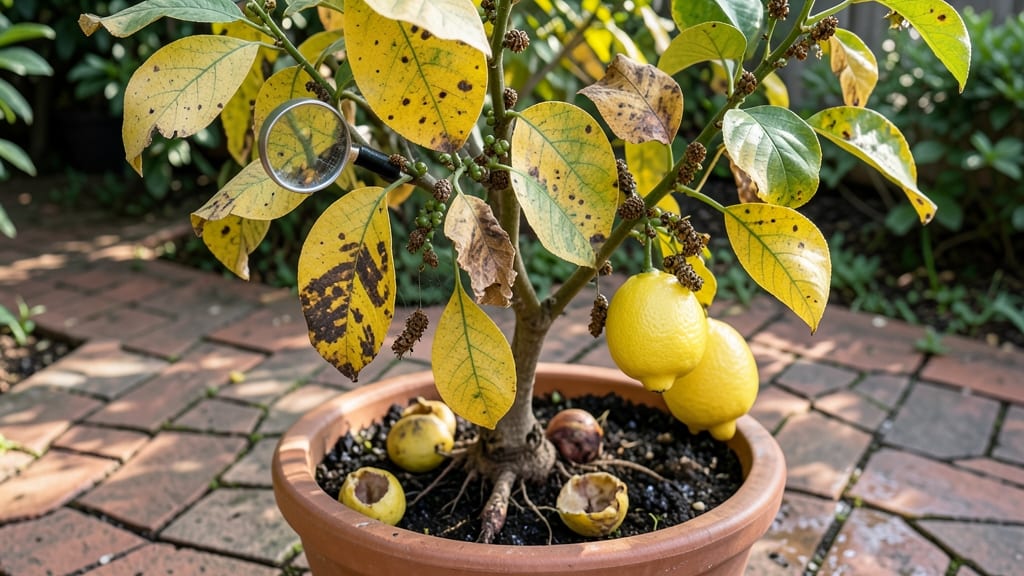
Citrus tree problems—like yellowing leaves and weak growth—don’t have to mean your tree is beyond saving. 🌿 I’ve nursed back more citrus trees than I can count—from my first overwatered Meyer lemon to a neighbor’s frost-bitten orange—and the fixes are simpler than you’d think. Most problems boil down to three culprits: watering mistakes, pests hiding in plain sight, or environmental stress you can’t see. The good news? Each has a targeted solution that works fast.
Start by checking the soil—it’s usually the first clue. Overwatering causes yellow leaves that feel mushy to the touch, while underwatering leaves leaves crisp and brittle. Pests like aphids or citrus leaf miners leave behind sticky residue or tiny white spots on the undersides of leaves.
And if your tree’s growth stalled overnight? Frost damage or sudden temperature swings are likely the culprits. The key is acting before the problem spreads—because once it does, recovery takes months.
You’ll have your tree looking strong again in weeks with the right approach. Prune dead branches, adjust your watering schedule, and apply a targeted treatment (organic or chemical) for pests or disease.
The results? Thicker foliage, more blossoms, and fruit that actually ripens instead of falling prematurely. I’ve seen trees bounce back from near-death conditions—this isn’t just theory, it’s what works in real gardens.
Works for both container-grown citrus and in-ground trees, and the fixes adapt to your climate. Whether you’re dealing with a single branch or the whole tree, here’s how to diagnose and fix it—without losing another season’s harvest.
📚 In This Guide
- What you need
- Instructions
- Tips and common mistakes
- Wrapping up and next steps
What you need
- ● Pruning shears – sharp, bypass-style (for clean cuts on small branches).
- ● Loppers – for thicker branches (up to 2 inches in diameter).
- ● Pruning saw – for larger branches (over 2 inches).
- ● Disinfectant (70% isopropyl alcohol or bleach solution) – to sterilize tools and prevent disease spread.
- ● Garden gloves – cut-resistant, heavy-duty (to protect hands from thorns and sap).
- ● Trash bags or bucket – for collecting pruned branches and debris.
- ● Fertilizer (balanced citrus fertilizer or compost) – 10-10-10 NPK ratio or organic alternative.
- ● Watering can or hose – with a gentle spray nozzle.
- ● pH test kit – to check soil acidity (ideal: 6.0–7.0 for citrus).
- ● Mulch (pine bark or straw) – 2–4 inches thick, kept 2–3 inches away from the trunk.
- ● Handheld leaf blower – for clearing debris after pruning.
- ● Citrus-specific fungicide – if fungal issues (like melanose) are suspected.
- ● Slow-release fertilizer spikes – for targeted nutrient boosts.
- ● Tree support stakes – if the tree is top-heavy or weak.
- ● Camera or phone – to document problem areas before/after treatment.
How to diagnose and fix common citrus tree problems
Here's my go-to troubleshooting guide for the most common citrus issues—fast solutions that work.
🌿 Step 1: Check Watering Patterns for Over/Under Care
Citrus trees hate soggy roots but also wilt when dry. Stick your finger 2 inches into soil—if it's bone-dry, water deeply until moisture reaches 6 inches down. If it's still damp, hold off until the top inch feels dry. I use a moisture meter now to avoid guesswork.
Yellowing leaves often signal overwatering. Check the pot's drainage holes—if water pools at the bottom, repot immediately. In containers, citrus roots rot quickly when deprived of airflow. Real talk: I've killed three trees this way, so I double-check drainage before anything else.
☀️ Step 2: Assess Light Exposure for Leggy Growth
Pale, stretched stems mean your tree's reaching for light. Citrus need 6-8 hours of direct sun daily—no compromise. Move it to a south-facing window or under grow lights 4-6 inches away. You'll see new leaves emerge within a week—that's your signal everything is working.
If outdoor temps dip below 40°F, bring it inside immediately. Cold damage shows as brown leaf edges or blackened stems. A sheer curtain helps filter harsh afternoon sun in summer while maintaining warmth. I keep mine near a sunny kitchen window where I can monitor it daily.
🪴 Step 3: Inspect for Pests and Disease Signs
Flip leaves over—tiny white cottony patches mean mealybugs. Wipe them off with a damp cloth dipped in rubbing alcohol, then spray the tree with neem oil. For scale insects, scrape them off with a plastic spoon (metal cuts leaves). I do this every two weeks during warm months as prevention.
Fungal issues like root rot appear as blackened stems at the soil line. Remove infected areas with clean pruners, then repot in fresh, sterile soil. Never reuse containers without sterilizing first—fungus spores survive for years. If you see powdery mildew, increase airflow by spacing plants 3 feet apart outdoors.
✂️ Step 4: Prune for Airflow and Shape
Use sharp, sterilized shears to trim dead or crossing branches at a 45-degree angle. Never cut more than 25% of the canopy at once—citrus trees stress easily. Prune just above a leaf node where new growth can emerge. I shape mine like a rounded dome to maximize sunlight penetration.
Remove any suckers (shoots growing from the base) immediately—they drain energy from fruit production. Thin out crowded branches to improve airflow, which prevents fungal diseases. The goal is an open, airy structure where light reaches all leaves. You'll notice stronger stems and more blossoms within a growing season.
💧 Step 5: Adjust Fertilizer Routine for Nutrient Deficiencies
Yellow leaves between veins usually mean iron deficiency. Switch to a citrus-specific fertilizer with chelated iron and apply every 4-6 weeks during growing season. Over-fertilizing burns roots—always water thoroughly before applying. I use a slow-release pellet fertilizer for steady nutrition without the risk of overdoing it.
For magnesium deficiency (yellow patches between veins), add 1 teaspoon of Epsom salt per gallon of water monthly. Test soil pH—citrus prefer 6.0-7.0. If your soil is too alkaline, amend with sulfur or peat moss. I test my soil every spring and adjust as needed to keep the tree thriving.
Tips & tricks for reviving citrus trees fast
These quick fixes will help you diagnose and correct common citrus tree issues before they become permanent problems.
Watering Wisdom: The 2-inch soil check is your best friend—stick your finger in the soil daily during hot weather. If it's dry, water until moisture reaches 6 inches down, but never let water pool at the bottom of the pot. I've learned the hard way that citrus roots need both moisture and airflow to thrive. For container-grown trees, consider using a self-watering pot to maintain consistent moisture levels without overwatering.
Light Exposure Hack: If your citrus tree is growing leggy, it's begging for more light. Place it within 4-6 inches of a bright window or under grow lights for 12-14 hours daily. I keep mine near my south-facing kitchen window where it gets direct sun for 6-8 hours. Watch for new leaf growth within a week—this is your confirmation that the light fix is working.
Pest Prevention Strategy: Mealybugs and scale insects are the sneakiest citrus pests. I've found that a weekly inspection with a magnifying glass catches problems early. For mealybugs, I use a damp cloth dipped in rubbing alcohol—it's more effective than store-bought sprays. Remember, prevention is key: keep your tools sterilized and avoid overcrowding plants to reduce pest spread.
Pruning Pro Tip: When shaping your citrus tree, aim for an open, rounded dome shape. This allows sunlight to reach all leaves and improves airflow, which prevents fungal diseases. I prune mine in late winter when the tree is dormant—this gives it time to recover before the growing season. Always use sharp, sterilized shears to make clean cuts at a 45-degree angle just above a leaf node.
Pro Tips for Citrus Tree Problems
- These quick fixes will help you diagnose and correct common citrus tree issues before they become permanent problems.
- Watering Wisdom: The 2-inch soil check is your best friend—stick your finger in the soil daily during hot weather.
- Light Exposure Hack: If your citrus tree is growing leggy, it's begging for more light.
Frequently asked questions
Got questions about keeping your citrus tree healthy?
Here are some of the most common concerns—and quick solutions—to help you troubleshoot like a pro!
Why are my citrus tree leaves turning yellow?
Yellowing leaves are often caused by overwatering or nutrient deficiencies (like iron or nitrogen). Check the soil—it should be slightly moist but not soggy. If roots are waterlogged, trim affected areas and improve drainage. For deficiencies, use a citrus-specific fertilizer every 2–3 months.
How do I know if my citrus tree has pests?
Look for tiny holes in leaves (aphids, mites), sticky residue (scale insects), or chewed fruit (citrus leafminers). Spray with neem oil or insecticidal soap for mild infestations. For severe cases, consult a local nursery for targeted pesticides.
When is the best time to prune a citrus tree?
Prune late winter or early spring (before new growth starts) to avoid stressing the tree. Remove dead, diseased, or crossing branches first, then thin out crowded areas for airflow. Never prune after harvest—this can reduce next year’s fruit production!
Can I save a citrus tree with weak growth?
Weak growth often signals poor drainage, root rot, or insufficient sunlight. Repot if needed, ensure it gets 6+ hours of sun daily, and fertilize with a balanced citrus blend. If roots are mushy (root rot), trim affected areas and use a fungicide.
How cold is too cold for citrus trees?
Most citrus trees (like lemons or oranges) thrive in USDA Zones 9–11. Below 28°F (-2°C), leaves and fruit may suffer damage. For colder climates, mulch heavily or grow in containers to move indoors. Dwarf varieties are more cold-tolerant!
Wrapping up and next steps
Citrus trees may face challenges like yellowing leaves or stunted growth, but with the right care, they can thrive! 🌿 From adjusting watering habits to pruning properly and addressing pests or diseases, each issue has a solution.
Remember, consistency is key—monitor your tree regularly and act at the first sign of trouble.
Don’t let these problems discourage you! With patience and the right techniques, your citrus tree will reward you with lush foliage and bountiful fruit. Ready to take action? Grab your pruners and start troubleshooting today—your tree’s health (and your future harvest!) depends on it! 🍊✨