
Container Gardens
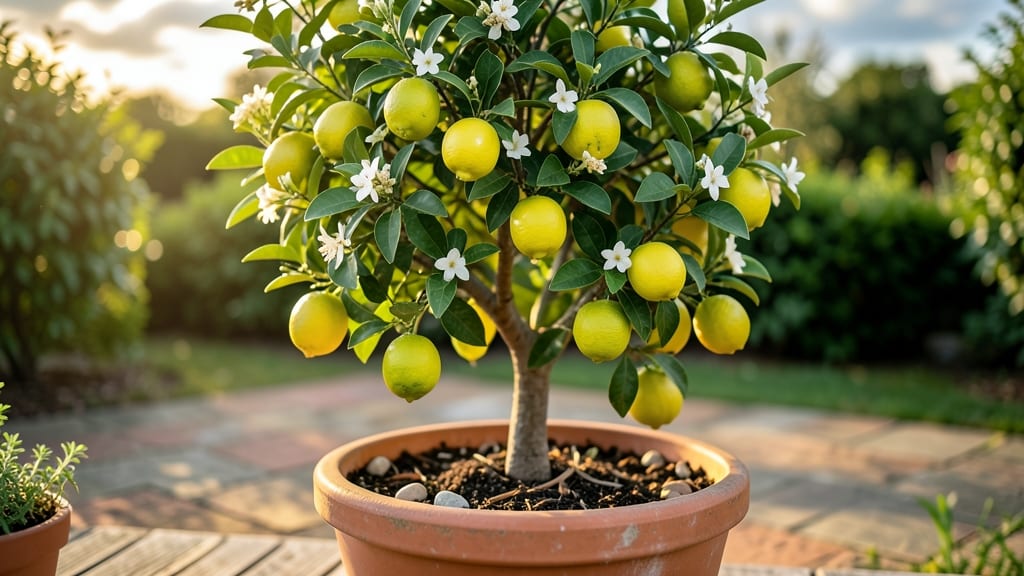
Growing a Meyer lemon tree in a pot means fresh lemons anytime—even if your yard is just a balcony. 🌱 I’ve watched mine produce fruit indoors and outdoors, and the key is mimicking its natural Mediterranean climate in a container.
The right pot, soil, and light setup turns this tropical dream into reality, no greenhouse required.
You’ll need a 15-20 gallon pot with drainage, well-draining citrus soil mix, and a sunny spot (at least 6 hours of light daily). Water when the top inch of soil feels dry, but avoid soggy roots—Meyers hate wet feet.
Fertilize monthly with citrus-specific food during growing seasons, and prune lightly after harvest to encourage bushier growth.
By winter, you’ll have fragrant blooms and lemons ripening on branches you can reach from your kitchen. The tree stays compact, making it perfect for patios or sunrooms. Just watch for pests like spider mites and protect it from frost—bring it indoors before temps drop below 40°F.
This isn’t just a plant; it’s a year-round kitchen staple. Start small, and you’ll be squeezing fresh lemons for tea, baking, or garnishes in no time. Let’s get your tree thriving!
📚 In This Guide
- What you need
- Instructions
- Tips and common mistakes
- Wrapping up and next steps
What you need
- ● Pot: A container at least 12–18 inches in diameter (deeper is better for root growth). Use terracotta, ceramic, or fabric pots with drainage holes.
- ● Well-draining potting mix: A blend of 50% citrus-specific soil (or cactus/succulent mix) and 50% perlite or coarse sand to prevent root rot.
- ● Meyer lemon tree: A healthy nursery-grown sapling (3–6 months old) or a bare-root plant for transplanting.
- ● Drainage tray or saucer: To catch excess water and prevent messes.
- ● Fertilizer: A balanced citrus fertilizer (e.g., 6-6-6 or 8-3-9) or organic options like fish emulsion or compost tea.
- ● Watering can with a narrow spout: For precise watering without disturbing the soil.
- ● Pruning shears: Sharp, clean shears for trimming dead or overgrown branches.
- ○ Support stake (optional): A bamboo or metal stake to help young trees stay upright if needed.
- ● Grow lights or LED bulbs: If placing indoors near a south-facing window isn’t an option.
- ● Mulch (e.g., pine bark or straw): To retain moisture and regulate soil temperature.
- ● Humidity tray: A shallow tray with pebbles and water to boost humidity for indoor trees.
- ● Slow-release fertilizer pellets: For hands-off nutrient delivery over months.
- ● Citrus tree food (foliar spray): To give your tree an extra micronutrient boost.
Step-by-step instructions for growing Meyer lemon trees in pots
Here’s how to grow a thriving Meyer lemon tree in containers—even if you only have a sunny windowsill.
🌱 Step 1: Choose the Right Pot and Soil for Strong Roots
Start with a 5-gallon container (or larger) with drainage holes—Meyer lemons need room to grow. I use well-draining potting mix (never garden soil) blended with 30% perlite or coarse sand to prevent root rot. Fill the pot 2/3 full and press the mix down lightly so it’s firm but not compacted.
This ensures roots get oxygen and don’t suffocate. If your pot lacks drainage, drill holes yourself—waterlogged roots will kill your tree faster than anything else. Place a 2-inch layer of gravel at the bottom to improve drainage further.
☀️ Step 2: Plant and Position for Maximum Sunlight
Dig a hole in the soil twice as wide as the root ball but no deeper. Gently remove your Meyer lemon from its nursery pot and loosen the roots if they’re circling. Place it in the hole, backfilling with soil, then water deeply until it drains from the bottom.
Meyer lemons need full sun (6-8 hours daily)—a south-facing window or outdoor spot works best. If indoors, rotate the pot quarter-turn weekly so the tree grows straight. Without enough light, leaves turn yellow and fruit never sets. Watch for new growth within 3-4 weeks—that’s your sign it’s thriving.
💧 Step 3: Water and Fertilize for Year-Round Fruit
Water when the top 1-2 inches of soil feel dry—stick your finger in to check. Overwatering is the #1 killer of potted citrus. I use room-temperature water (cold shocks roots) and avoid wetting leaves to prevent fungal spots. In winter, reduce watering slightly since growth slows.
Feed every 2-3 months with a balanced citrus fertilizer (10-10-10 or similar). In spring and summer, I add Epsom salt (1 tbsp per gallon of water) monthly for magnesium—it keeps leaves vibrant. You’ll see tiny flower buds in late winter/early spring if care is right.
✂️ Step 4: Prune and Protect for Healthy Growth
Prune in late winter before new growth starts. Remove dead, crossing, or crowded branches with clean cuts just above a leaf node. I never cut more than 1/3 of the tree at once—this keeps it productive. Wipe pruners with rubbing alcohol between cuts to prevent disease spread.
Watch for aphids or spider mites (common on citrus). Spray with neem oil solution if you spot sticky leaves or webs. In cold climates, bring pots indoors before temps drop below 40°F—citrus hates drafts and sudden temperature swings. A humidifier nearby helps prevent leaf drop in dry winter air.
🍋 Step 5: Harvest and Encourage More Fruit
Meyer lemons ripen year-round but peak in fall/winter. Pick when they’re bright yellow, slightly soft, and pull away from the tree easily. I harvest every 2-3 weeks to encourage more blooms. Never let fruit stay on too long—it’ll get seedy and bitter.
After harvest, give the tree a light trim to improve airflow. If you want bigger fruit, remove some smaller lemons to reduce competition. Store extras in the fridge for up to 2 weeks—their sweet-tart flavor makes them perfect for baking or fresh juice.
Tips & tricks for thriving Meyer lemon trees in pots
Here's how to turn your container citrus into a productive, fruit-bearing powerhouse—without the common pitfalls.
Pot Size Matters: That 5-gallon minimum isn't just a suggestion—it's non-negotiable for the first 2-3 years. I've seen Meyer lemons outgrow 3-gallon pots within a year, leading to root-bound stress. If you're dreaming of fruit, plan for upward mobility. Use pots with wheels so you can move them between sun and shade as needed.
Sunlight Secret: The 6-8 hours of full sun requirement is your golden rule, but here's the trick: position your tree where it gets morning sun and afternoon shade in summer. Too much direct afternoon sun can scorch leaves. If your windowsill doesn't get enough light, consider a grow light for 12-14 hours daily—your tree will thank you with better growth and more blooms.
Soil Science: That 30% perlite blend isn't just for drainage—it's your root's breathing room. I've found adding a handful of worm castings to the mix at planting time gives roots a nutrient boost right from the start. And here's a pro move: top your pot with 1-2 inches of coarse sand or gravel after planting to reduce evaporation and keep roots cooler.
Fertilizer Timing: Those 2-3 month feeding intervals are perfect, but here's what nobody tells you—spring is the critical window. Start fertilizing in early spring when you see new growth, and stop in late summer to let the tree rest. The Epsom salt monthly boost works wonders, but I've noticed trees respond even better when I mix it with a weak fertilizer solution rather than applying it separately.
Pro Tips for Growing Meyer Lemon Tree In A Pot
- Here's how to turn your container citrus into a productive, fruit-bearing powerhouse—without the common pitfalls.
- Pot Size Matters: That 5-gallon minimum isn't just a suggestion—it's non-negotiable for the first 2-3 years. I've see...
- Sunlight Secret: The 6-8 hours of full sun requirement is your golden rule, but here's the trick: position your tree ...
Frequently asked questions
Got questions about growing your own Meyer lemon tree in a pot? You’re not alone—here are some of the most common concerns (and their easy solutions!) to help you thrive from seedling to harvest.
How big should the pot be for a Meyer lemon tree?
A Meyer lemon tree needs a pot at least 15–20 gallons (18–24 inches in diameter) for mature growth. Smaller pots (5–10 gallons) work for young trees, but they’ll need repotting every 1–2 years. Pro tip: Ensure the pot has drainage holes to prevent root rot!
How long does it take for a Meyer lemon tree to bear fruit in a pot?
With proper care, a Meyer lemon tree can produce fruit in 3–5 years when grown in a pot. Patience is key—young trees focus on root and leaf growth first. Boost fruiting by providing full sun (6+ hours/day), regular watering, and balanced fertilizer (like 10-10-10) during spring and summer.
Can I grow a Meyer lemon tree indoors year-round?
Yes! Meyer lemons thrive indoors if you mimic their outdoor needs: bright, southern-facing light (or a grow light 12–14 hours/day), temperatures between 60–80°F, and high humidity (try a pebble tray or humidifier). Watch for leaf drop or yellowing—signs of low light or overwatering.
What pests should I watch for, and how do I treat them?
Common pests include aphids, spider mites, and scale insects. Catch them early with neem oil or insecticidal soap (spray undersides of leaves!). For severe infestations, hose off pests with water or introduce beneficial insects like ladybugs. Prevent pests by keeping your tree healthy and pruning for airflow.
Why aren’t my Meyer lemons ripening in a pot?
Unripe lemons often mean insufficient sunlight, cold drafts, or nutrient deficiencies. Move your tree to a sunnier spot (south or west-facing is ideal), avoid temperatures below 50°F, and fertilize monthly in spring/summer. Bonus: Hand-pollinate flowers with a small brush if your tree isn’t attracting bees!
Wrapping up and next steps
Growing a Meyer lemon tree in a pot is a rewarding journey that brings fresh, fragrant citrus to even the smallest spaces!
With the right container, sunlight, and care, you’ll enjoy a thriving tree that produces sweet, juicy lemons year-round. Your next step? Start with a healthy sapling, give it love, and soon you’ll be harvesting lemons straight from your balcony—or even gifting them to neighbors! 🍋✨
Pro tip: Document your tree’s growth—it’s a fun way to track progress and celebrate milestones. Happy gardening!