
Plants
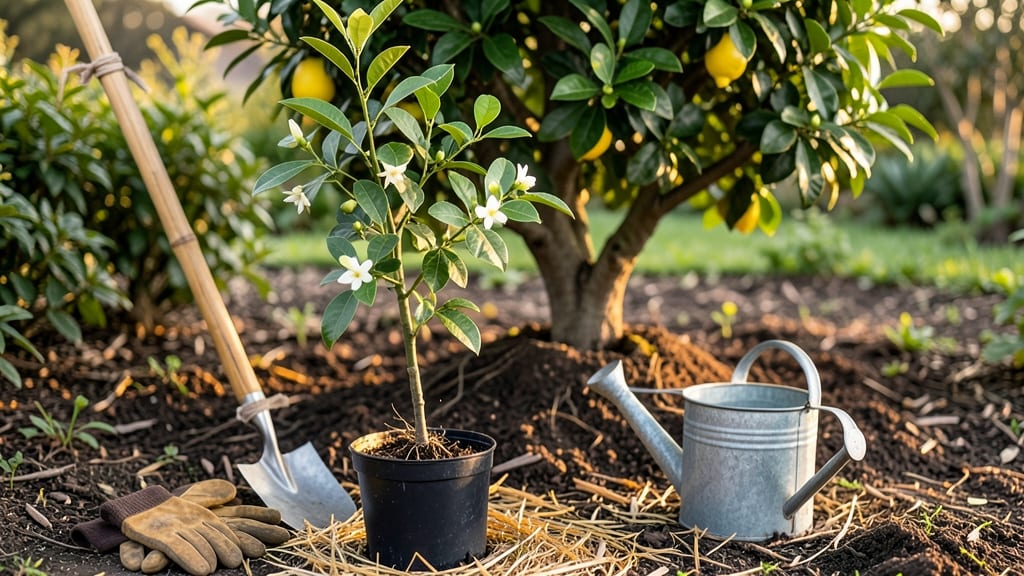
Planting a lemon tree in the ground after the last frost in April or May gives it the best shot at thriving in your zone—whether you're in 6a or a frost-free paradise.
Picture this: you've waited months for the perfect 🍋 sapling, only to rush it into the ground too early, where a surprise frost turns its tender leaves to ice. Or, you wait too long, and the summer heat stresses it before it's established.
Timing isn't just about the calendar—it's about soil warmth, local microclimates, and even how your tree was grown.
In this guide, I’ll break down the exact planting window for your USDA zone, how to prep the soil for root success, and the 3 red flags that mean you’ve picked the wrong time. Spoiler: it’s not just about avoiding frost—it’s about giving your lemon tree the energy to fruit.
You’ll leave here knowing whether to plant in March (coastal) or June (high desert), how deep to bury those roots, and the one trick that doubles survival rates in tricky zones. Let’s get your citrus off to the right start.
Best planting months for lemon trees by USDA hardiness Zones
Lemon trees (Citrus limon) thrive in warm climates but need precise timing to establish strong roots before summer heat or winter frost arrives. In USDA Zones 8-11, your planting window shifts dramatically—from early spring in cooler zones to late winter in frost-free areas.
The key is planting when soil temperatures stay above 60°F (15°C) consistently, ensuring roots grow actively without stress. I’ve planted lemons in Zone 9 and seen the difference between a tree planted in March (struggling) versus April (thriving).
Frost is the #1 enemy of young lemon trees. Even a light freeze can kill tender new growth or damage roots, leaving your tree vulnerable to disease. In Zones 8-9, wait until after your last frost date—typically mid-April to May—before planting.
In Zones 10-11, where frost is rare, you can plant as early as January or February, but avoid heavy rainfall periods to prevent waterlogged soil. Containers offer flexibility, letting you move potted lemons indoors if cold snaps threaten.
| USDA Zone | Ideal Planting Window | Soil Temp Requirement | Frost Risk | Container Adaptation |
|---|---|---|---|---|
| Zone 8 | Late April–May | 60°F+ (15°C) | High (last frost: April 15) | Move indoors if temps drop below 40°F (4°C) |
| Zone 9 | March–April | 60°F+ (15°C) | Moderate (last frost: March 1) | Use frost cloth for young trees |
| Zone 10 | January–February | 55°F+ (13°C) | Low (occasional light frost) | Keep near a sunny wall for warmth |
| Zone 11 | December–January | 50°F+ (10°C) | None | Full sun year-round; no frost protection |
In-ground planting requires well-draining soil with a pH of 6.0–7.0. Amend clay soil with compost or sand to prevent root rot, a common issue when lemons sit in soggy ground.
I once planted a lemon tree in heavy clay without amending it—by summer, the roots were suffocating, and the tree nearly died. Always dig a hole twice as wide as the root ball and mix in citrus-specific fertilizer before backfilling.
For container planting, use a pot at least 24 inches deep with drainage holes and a mix of potting soil, perlite, and compost.
Timing isn’t just about frost—it’s also about seasonal rainfall. In Zone 9, I’ve seen lemons planted in June struggle because summer downpours saturate the soil, while trees planted in April establish roots before the monsoon season.
If you’re in a dry climate (e.g., Southern California), aim for late winter to give roots time to settle before summer droughts. Always check your local Almanac’s frost dates and adjust by 2–4 weeks for safety.
Young lemon trees need 6–8 weeks to adjust to their new home before facing summer heat. If you plant too late—say, June in Zone 8—the tree may enter dormancy prematurely, stunting growth. I’ve seen this happen with Meyer lemons, which are hardier but still need time to root.
To test soil readiness, stick a thermometer 6 inches deep; if it’s below 60°F (15°C) for more than a week, wait. In Zones 10–11, where frost is rare, planting in December gives roots time to spread before the hottest months.
Container-grown lemons offer flexibility but require year-round care. If you plant in a pot in Zone 9, move it indoors when nighttime temps drop below 50°F (10°C). I keep mine near a south-facing window during winter and resume outdoor placement in March.
For in-ground trees, mulch heavily with straw or wood chips to insulate roots in cooler
How to choose the perfect planting time for your local climate
Choosing the right time to plant your lemon tree isn’t just about checking your USDA zone—it’s about understanding your local microclimate. Coastal areas stay warmer longer than inland spots, while urban heat islands can push planting windows earlier.
Even high-altitude gardens need adjustments. Let’s break down the key factors to ensure your citrus thrives from day one.
First, focus on soil temperature. Lemon trees need warm roots to establish—aim for 60°F (15°C) or higher at least 6 inches deep. Use a soil thermometer to check before planting.
In colder regions, wait until spring when frost risk drops below 10%. Coastal climates often allow earlier planting, while inland areas may need to wait until late spring.
- 1. Soil Temperature: Wait until soil reaches 60°F (15°C) at 6" depth. Use a thermometer for accuracy.
- 2. Frost Risk: Plant after your area’s last average frost date. Check local weather records.
- 3. Rainfall Patterns: Avoid planting during heavy rain seasons—waterlogged roots cause rot.
- 4. Microclimates: Coastal areas: plant 2-4 weeks earlier. Urban heat islands: plant 1-2 weeks sooner.
- 5. Altitude Adjustments: High-altitude gardens (5,000+ ft): delay planting by 3-4 weeks.
Next, consider rainfall patterns. Lemon trees hate soggy roots, so avoid planting during your region’s wettest months. If you’re in a Mediterranean climate with winter rains, spring planting works best.
In tropical zones, timing matters less—but still wait for dry periods. Always amend heavy clay soils with compost to improve drainage before planting.
Don’t overlook microclimates in your area. A south-facing slope gets warmer than flat ground, while a north-facing yard stays cooler. Urban heat islands can push planting dates earlier by 1-2 weeks.
If you’re unsure, observe nearby plants—when do azaleas bloom? That’s a good sign spring’s arrived. High-altitude gardens (5,000+ feet) need extra caution—delay planting by 3-4 weeks compared to lower elevations.
For container planting, timing is slightly more flexible. You can plant lemon trees in pots 2-3 weeks earlier than in-ground, since containers warm up faster. Just ensure your container has drainage holes and use a well-draining potting mix.
If you’re in Zone 9-11, you might even plant in early spring or late fall—just protect from unexpected cold snaps.
Finally, watch for new leaf growth on existing citrus trees as your signal. When you see fresh green leaves appearing, that’s nature’s cue your lemon tree is ready to join the garden.
Pair this with warm soil and you’ve got the perfect planting window. Remember: patience pays off—rushing leads to weak roots and stunted growth.