
Pruning
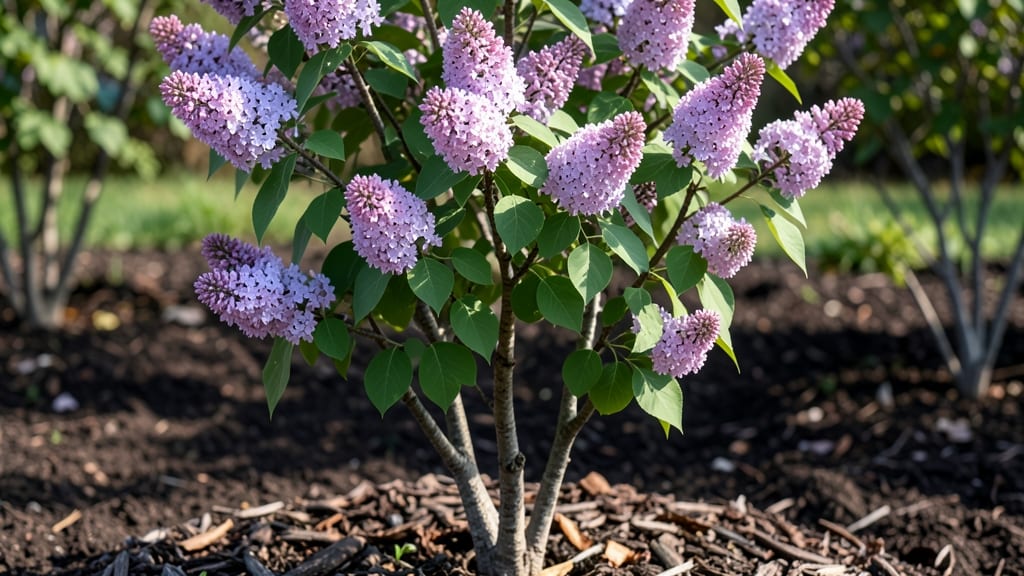
That lilac tree purple explosion in spring isn’t just fleeting—it’s your garden’s signature statement. 🌸 I’ve seen how a single purple lilac can transform a yard from ordinary to showstopping, all while demanding minimal upkeep. The secret? Strategic cuts that keep it lush year-round, not just during its brief bloom.
The magic happens in how you prune: timing matters most. Cut right after flowering (late May or June), and you’ll encourage next year’s blooms while keeping the tree’s natural shape. Pair it with silver-leafed perennials or deep-green boxwoods to make that purple pop even harder.
My front yard’s lilac now draws neighbors to snap photos every spring. What you’ll end up with is a tree that’s fragrant, full, and full of character—even in winter when its skeletal branches add texture.
The color contrast with evergreens or early spring bulbs creates drama you won’t find anywhere else. And the best part? It thrives in full sun or partial shade, making it the ultimate low-maintenance star.
For privacy screens, plant three together in a row—their combined fragrance and height create a living wall. Or use one as a dramatic focal point near your porch. Here’s how to make it work without the guesswork.
📚 In This Guide
- What you need
- Instructions
- Tips and common mistakes
- Wrapping up and next steps
What you need
- ● Pruning shears: Sharp, bypass-style shears (for clean cuts on branches Example: Felco F-2 or Corona Tools.
- ● Loppers: For branches ratchet-style loppers for extra leverage.
- ● Pruning saw: For thick branches (>1.5"). A bow saw or pruning saw with a fine-tooth blade works best.
- ● Gloves: Heavy-duty, cut-resistant gloves (e.g., Mechanix Wear or Fox River) to protect from thorns and splinters.
- ● Ladder or step stool: A sturdy, extension ladder (for trees >6 ft tall) or a foldable step stool (for shorter lilacs).
- ● Disinfectant: 70% isopropyl alcohol or a pruning sealant (e.g., Tanglefoot Pruning Sealer) to prevent disease spread.
- ○ Marking twine or flags: Colored twine or plastic flags to tag branches for removal (optional but helpful for complex pruning).
- ● Garden hose or spray bottle: For rinsing tools between cuts (keeps blades clean and bacteria-free).
- ● Trash bags: Heavy-duty contractor bags (30+ gallon) for debris disposal.
- ○ Safety gear (optional): Safety glasses (to shield from falling debris).
- ● Long sleeves/pants (to protect from thorns and sun).
- ● Knowledge of lilac growth: Familiarize yourself with your tree’s age, variety, and blooming habits (e.g., early vs. late bloomers). 🌟 Pro Tip: Most lilacs bloom on old wood, so avoid heavy pruning after mid-summer!
- ● Weather check: Prune on a dry, overcast day (or early morning) to reduce stress on the tree.
- ● Tree health assessment: Inspect for diseased or dead branches before pruning. Remove these first to prioritize tree health.
Instructions for pruning your lilac tree for year-round purple beauty
Here's how I keep my lilacs blooming abundantly while maintaining their graceful shape.
✂️ Step 1: Time Your Pruning for Maximum Blooms
Prune lilacs immediately after they finish flowering in late spring—never in fall or winter. This timing ensures you remove spent blooms while leaving next year's flower buds intact. I mark my calendar right after the last purple bloom falls, because waiting too long risks cutting off next season's flowers.
If you missed the window, don't panic. Light pruning in early spring (before buds swell) is better than nothing, though you'll sacrifice some summer blooms. The key is to never cut back into old wood—new growth emerges from last year's growth, so always leave at least 3-4 buds on each stem.
✂️ Step 2: Shape the Tree While Encouraging Dense Growth
Start by removing any dead, diseased, or crossing branches first—these compete with healthy growth. I use clean, sharp pruners to make cuts at a 45-degree angle just above an outward-facing bud. This angle prevents water from pooling on the cut and promotes faster healing.
For shaping, focus on opening up the center of the tree to improve airflow and sunlight penetration. Thin out crowded branches by cutting them back to their base rather than leaving stubs. Aim for an open vase shape that lets you see the purple blooms from all angles.
🌿 Step 3: Rejuvenate Older Trees with Strategic Renewal Cuts
If your lilac is over 10 years old and flowering sparsely, it's time for a rejuvenation cut. In early spring, cut back one-third of the oldest stems to the ground. This drastic measure sounds scary, but it stimulates vigorous new growth from the base.
I do this gradually over 3 years, removing a third of the oldest stems each year. The tree will look bare at first, but within a season you'll see lush new shoots emerging from the ground. This method works wonders for revitalizing neglected lilacs while maintaining their purple flowering potential.
⏰ Step 4: Maintain Year-Round Care Between Pruning Sessions
After your spring pruning, fertilize with a balanced 10-10-10 formula to support new growth. Water deeply once a week during dry spells, keeping the soil 2-3 inches moist but never soggy. Lilacs hate wet feet, so ensure proper drainage if your tree sits in a low spot.
In late summer, apply a 2-3 inch layer of mulch around the base (keeping it 6 inches away from the trunk) to protect roots from temperature swings. This simple step helps lilacs maintain their vibrant purple hues through winter and spring.
Tips & tricks for pruning lilac trees
Here's what I learned after years of pruning my own lilacs—and how to avoid the mistakes I made early on.
Timing is Everything: The late spring pruning window is your best friend for keeping those purple blooms coming. Watch for when the last flowers fade completely—this is your cue to prune. I've learned the hard way that waiting too long risks cutting off next year's buds, which form right after flowering. Mark your calendar right after the last bloom falls to stay on track.
The 3-4 Bud Rule: When shaping your lilac, always leave at least 3-4 buds on each stem after cutting. These buds hold next season's flowers, so never trim into old wood. I use a simple trick: count the buds before making each cut. If you accidentally cut too far, don't panic—just make the next cut at the right spot. The tree will still produce flowers, just maybe not as abundantly.
Rejuvenation Strategy: For older lilacs that have lost their vigor, the gradual 3-year renewal cut works wonders. I start by removing one-third of the oldest stems in early spring, then repeat the process the following two years. It might look drastic at first, but within a season you'll see lush new growth emerging from the base. This method preserves the tree's structure while bringing back those vibrant purple blooms.
Cutting Angle Matters: Always make your cuts at a 45-degree angle just above an outward-facing bud. This angle prevents water from pooling on the cut and promotes faster healing. I use a simple visual cue: imagine a smiley face on the branch—cut just above where the smile would be. This technique keeps your lilac looking healthy and encourages new growth in the right direction.
Pro Tips for Lilac Tree Purple
- Here's what I learned after years of pruning my own lilacs—and how to avoid the mistakes I made early on.
- Timing is Everything: The late spring pruning window is your best friend for keeping those purple blooms coming.
- The 3-4 Bud Rule: When shaping your lilac, always leave at least 3-4 buds on each stem after cutting.
Frequently asked questions
Got questions about keeping your lilac tree purple and thriving year-round? Here are some of the most common ones—plus expert answers to help you prune like a pro!
When is the best time to prune lilacs to keep them purple?
The ideal time is right after flowering (late spring to early summer). This ensures next year’s blooms form while removing old wood. Avoid pruning in fall or winter, as lilacs bloom on old wood—cutting too late delays or reduces flowering. Pro tip: If you miss the window, wait until late summer to avoid stunting new growth.
How much can I cut back my lilac tree without harming it?
Lilacs are hardy but thrive with moderate pruning. For established trees, remove no more than 1/3 of the oldest stems per year. Younger trees (under 3 years) only need light shaping—focus on removing dead, crossing, or weak branches. Over-pruning can stress the tree and reduce blooms.
What if my lilac leaves turn yellow or brown after pruning?
Yellowing or browning leaves post-pruning often signal stress from over-cutting or poor timing. If this happens, reduce future pruning and ensure the tree gets consistent water and well-draining soil. Yellow leaves can also indicate nutrient deficiencies—apply a balanced fertilizer in early spring.
Are there purple lilac alternatives if mine won’t bloom well?
Yes! Try these purple-hued alternatives that thrive with minimal pruning:
- ‘Katherine Haviland’ – Deep purple blooms, fragrant, and disease-resistant.
- ‘Miss Kim’ – Compact, purple flowers, and blooms on new wood (prune anytime!).
- Weigela – Not a lilac, but offers vibrant purple-pink blooms and tolerates pruning.
- Butterfly Bush (Buddleia) – Purple flowers, attracts pollinators, and grows fast.
For instant color, pair lilacs with purple clematis or lavender.
Do lilacs need winter protection after pruning?
Mature lilacs are cold-hardy (USDA zones 3–7), but newly pruned or young trees may benefit from light winter protection. Wrap the base with burlap or mulch with 3–4 inches of organic mulch (like wood chips) to insulate roots. Avoid heavy snow buildup on branches—gently shake it off to prevent breakage.
Wrapping up and next steps
Your lilac tree doesn’t have to fade into winter—with the right pruning techniques, it can bloom with year-round purple elegance. Strategic cuts not only enhance its beauty but also promote healthier growth and vibrant flowers.
Whether you’re a seasoned gardener or just starting, a little effort goes a long way in transforming your outdoor space.
Ready to give your lilac tree the care it deserves? Grab your pruners and get started today! 🌸 With patience and practice, you’ll enjoy a stunning, fragrant tree that steals the show—season after season.