
Propagation
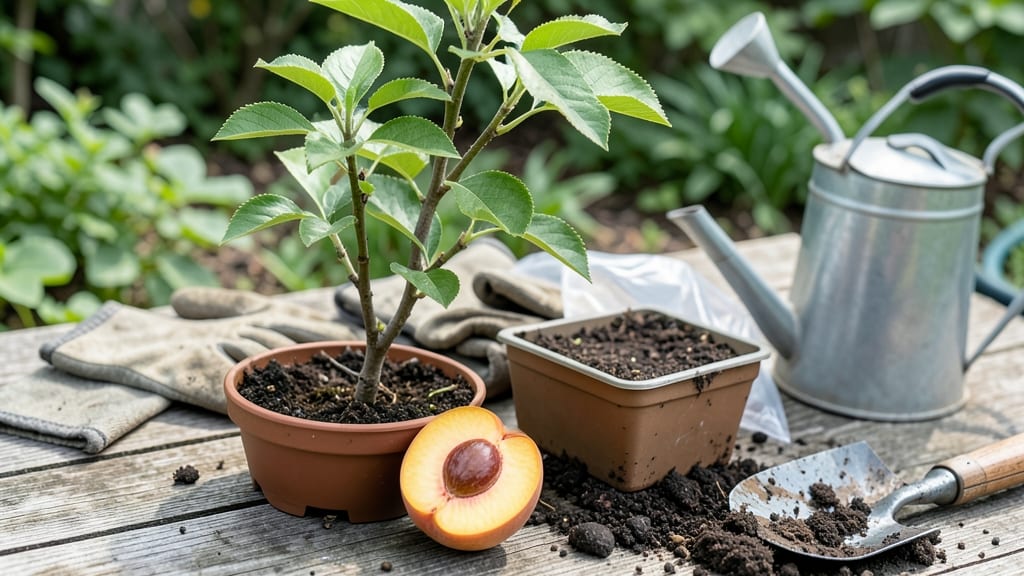
You can start a peach tree from a peach pit, but the process requires patience and specific techniques to achieve even a 20% germination rate. The seeds typically take 3-6 months to sprout after proper cold stratification, and the resulting tree may produce fruit that differs significantly from the parent.
Starting a peach tree from a peach pit is a rewarding but unpredictable project.
The low germination rate isn't just about luck—it's tied to the seed's natural dormancy, which requires a 60-90 day cold stratification period to mimic winter conditions. 🌱 Even when successful, the tree may take 5-7 years to bear fruit, and its quality could vary wildly from the original variety.
I've found that gardeners often combine this method with grafting later to ensure better fruit production and disease resistance.
What makes this process particularly challenging is the delicate balance between moisture and temperature during stratification. Too much water can cause mold, while too little prevents the seed from breaking dormancy.
Once sprouted, seedlings need consistent care—think of them as fragile babies that require gentle handling when transplanting to avoid root damage. The payoff comes in watching that first leaf unfurl, but remember: this is more of a long-term experiment than a guaranteed outcome.
💡 In This Article
- How to Cold-Stratify Peach Pits for Germination
- Realistic Expectations for Peach Tree Growth from Seed
How to cold-stratify peach pits for germination
The cold stratification process mimics the natural winter cycle peach pits experience in their native habitat. After harvesting ripe peaches, remove the pits and let them dry completely for 2-3 days at room temperature to prevent mold.
This drying step is critical—moisture levels above 10% by weight can trigger premature rotting during stratification. Once dry, place the pits in a sealed container with a slightly damp (not soggy) growing medium like perlite or vermiculite, maintaining 35-40% moisture throughout the process.
Temperature control is the next critical factor. Store the container in a refrigerator set to 35-40°F for 60-90 days, checking monthly for signs of mold or drying.
The cold temperature breaks the seed's dormancy by slowing metabolic processes, allowing natural hormones like abscisic acid to degrade while gibberellins build up—this hormonal shift signals the seed it's safe to germinate.
I've seen stratification times vary slightly based on pit size, with larger pits sometimes needing the full 90 days while smaller ones may sprout in 60 days. 🌱
What's happening biologically is fascinating: the cold period hydrates the seed coat just enough to allow oxygen diffusion while preventing full germination. This controlled hydration is why you'll often see a tiny root (radicle) emerge first—it's the seed's way of testing its environment before committing to full growth.
The stratification period also helps prevent "false starts" where seeds might sprout only to die from inconsistent conditions, which is why consistency in temperature and moisture is non-negotiable.
Once stratification is complete, transfer the pits to a warm (70-75°F) location with indirect light. Most pits will sprout within 2-4 weeks after this transfer, though some may take longer.
The seedling's first leaves will be small and delicate—this is when you'll need to be extra gentle with watering, using a spray bottle to keep the soil evenly moist without oversaturating.
The key here is patience; rushing the process by moving pits to warm conditions too soon often results in weak, leggy seedlings that struggle to establish.
Here's a pro tip I've learned from years of experimenting: if you're working with multiple pits, label them with the variety and date. Some peach varieties have particularly stubborn dormancy requirements—like the Elberta variety—which may need an extra 10-15 days of stratification compared to others.
Also, consider using a clear container during stratification so you can monitor moisture levels without disturbing the pits. The goal is to create an environment where the seed feels like it's experiencing a perfect miniature winter.
Remember that even with perfect stratification, only about 15-20% of peach pits will successfully germinate. This isn't failure—it's nature's way of ensuring only the hardiest seeds survive.
The ones that do make it through this process are often the most resilient seedlings, giving you a head start on growing a healthy tree. 💫