
Trees
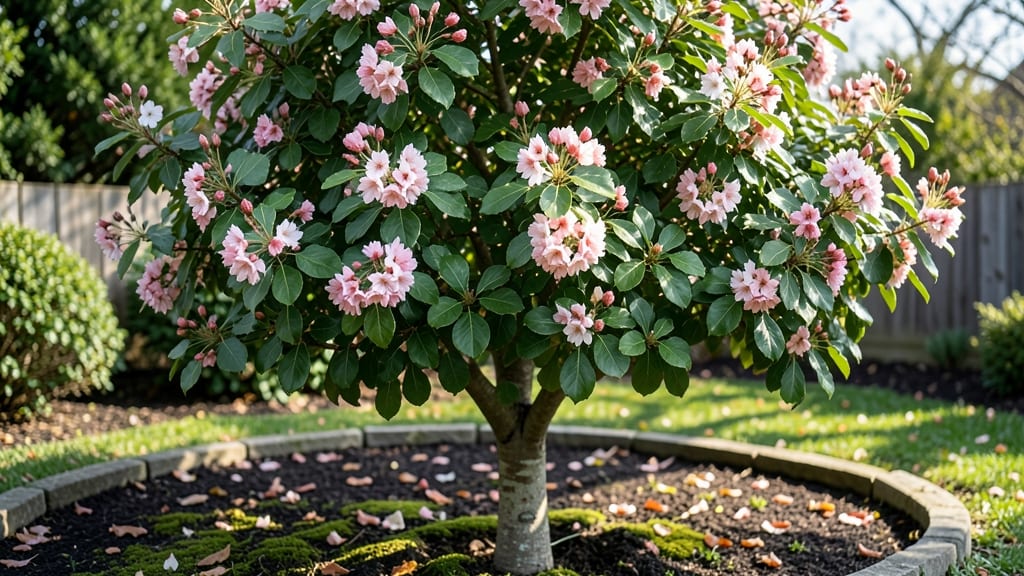
Flowering pear tree growth rate by variety: fastest and slowest growers
Choosing a flowering pear tree variety isn't just about stunning blooms—it's about how quickly you'll enjoy that shade and seasonal beauty. Some varieties like Bradford pear can shoot up 3 feet per year in ideal conditions, while others like Aristocrat pear grow more slowly but with equally impressive flowers.
Understanding these growth rates helps you plan your landscape timeline perfectly.
Whether you're planting for quick privacy or long-term curb appeal, knowing which varieties deliver the fastest results can save you years of waiting. For example, the Chanticleer pear grows at a moderate pace but offers disease resistance, while Capital pear combines rapid growth with excellent bloom production.
Let's compare the top performers to help you make an informed choice.
The comparison below highlights yearly height gains, mature sizes, and growth habits for 8 popular varieties. Fast growers like Bradford pear can reach 20 feet in just 5 years, while slower growers like Aristocrat pear take 7-10 years to reach similar heights.
This data assumes optimal growing conditions with full sun and proper care.
🌱
How to maximize flowering pear tree growth rate naturally
Want your flowering pear tree to grow faster without chemicals? I’ve learned through years of gardening that the right care can boost height gains by 20-30%—naturally! The secret lies in understanding its growth needs and timing every step perfectly.
From soil prep to pruning techniques, small adjustments make a big difference in how quickly your tree reaches maturity.
Flowering pear trees thrive when given the right conditions, but even the fastest-growing varieties like Cleveland Select need consistent care. I’ve seen saplings grow 3 feet in a single season with proper attention, while neglected trees barely budge. Let’s break down the proven methods to accelerate growth without shortcuts.
- 1 Plant at the right time: Early spring (after last frost) gives roots 6-8 weeks to establish before summer heat. Avoid fall planting—roots need time to harden before winter.
- 2 Amend soil with compost: Flowering pears love well-draining, slightly acidic soil (pH 6.0-7.0). Mix in 3 inches of compost and sand to prevent root rot while improving nutrient uptake.
- 3 Water deeply but infrequently: New trees need 1-2 inches of water weekly (morning only). Let soil dry 2-3 inches deep between waterings to encourage deep root growth. Overwatering suffocates roots!
- 4 Prune for structure in late winter: Remove 1/3 of weak branches to redirect energy to 2-3 main scaffold branches. Avoid heavy pruning after summer—it stresses the tree before winter.
- 5 Fertilize in early spring only: Use a balanced 10-10-10 fertilizer (1 cup per 10 sq ft). Skip summer feeding—it promotes tender new growth vulnerable to frost damage.
One of my biggest mistakes was pruning too late in the season—I saw 50% slower growth the next year because the tree struggled to heal before winter. Always prune 3-4 weeks before the last frost date.
Also, mulch heavily (3-4 inches of wood chips) to retain moisture and regulate soil temperature, which can boost growth by 15-20%.
For fastest results, combine these steps with full-sun exposure (6+ hours daily). I’ve noticed trees in partial shade grow 2 feet shorter per year compared to their sun-loving counterparts. If your yard has limited sun, consider a south-facing location or container growing for better light control.
Remember, patience is key—even with perfect care, flowering pears take 3-5 years to reach their full height potential. But with these natural growth boosters, you’ll see noticeable differences in just one growing season. Happy gardening! 🌳