
Pruning
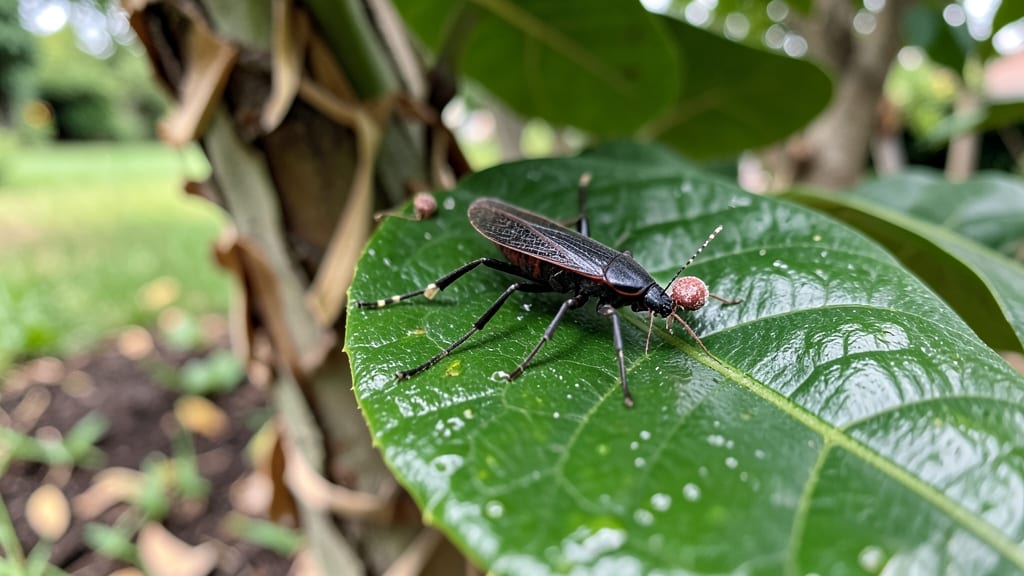
Those avocado tree insects turn your tree’s leaves into skeleton shadows. 🌿 I’ve battled these tiny green menaces and learned which natural predators actually work—no harsh chemicals needed. The key is spotting the damage early: tiny yellow dots on leaves, sticky residue on branches, and that telltale lace-like webbing.
Most gardeners grab sprays first, but I found ladybugs and lacewing larvae are the real game-changers. Release them at dawn when bugs are sluggish, and they’ll devour lace bugs faster than any spray.
For mites, a strong blast of water from the hose (yes, really) knocks them off leaves while preserving beneficial insects. Your harvest stays safe when you act fast—prune infested branches immediately and compost them far from your tree. Within 2-3 weeks, you’ll see fewer bugs and lusher foliage.
The secret? Prevention: keep your tree healthy with balanced watering and organic fertilizer. This works for avocado lace bugs, mites, and scale—the usual suspects. No more chemical battles, just a thriving tree and fruit that tastes like victory. Let’s get your avocado back to its full, glossy glory.
Root Causes of Avocado Tree Pests
Avocado trees, with their lush foliage and delicious fruit, can become a buffet for unwanted insects if conditions align. Understanding why these pests show up helps you take proactive steps to protect your harvest.
Below, we break down the key triggers that turn your avocado grove into a pest magnet—and how to address them before they strike.
A stressed or unhealthy avocado tree is like an open invitation for insects. When trees lack nutrients, water, or proper care, their natural defenses weaken, making them easier targets for pests like the avocado lace bug, avocado thrips, or avocado mite.
Why it happens:
- Nutrient deficiencies (especially nitrogen, potassium, or magnesium) reduce sap quality, making it less toxic to insects.
- Overwatering or drought disrupts root health, stressing the tree and attracting sap-sucking pests.
- Fungal or bacterial infections (like avocado root rot) create entry points for secondary insect infestations.
- Improper pruning (removing too many leaves or damaging branches) reduces photosynthesis, leaving the tree vulnerable.
Actionable fix: ✅ Fertilize regularly with a balanced NPK (10-10-10) fertilizer or compost tea to boost immunity. ✅ Mulch properly (3–4 inches of organic mulch) to retain moisture and deter fungal issues. ✅ Prune strategically—remove only dead/diseased branches and avoid over-thinning.
Avocado trees in dense plantations or poorly spaced home gardens suffer from reduced airflow and sunlight, creating the perfect humid microclimate that pests love.
Why it happens:
- Stagnant air traps moisture, encouraging fungus gnats, scale insects, and mites to thrive.
- Shaded leaves (from overcrowding) stay damp longer, inviting soft-bodied pests like avocado whitefly.
- Physical contact between trees spreads insects faster via walking pests (e.g., avocado bark beetles).
Actionable fix: ✅ Space trees 15–20 feet apart (or as per your variety’s needs) for airflow. ✅ Thin out lower branches to allow sunlight to reach the ground, reducing humidity at the base. ✅ Remove fallen fruit or debris—these act as breeding grounds for fruit flies and beetles.
Avocado trees rely on beneficial insects, birds, and microbes to keep pests in check. When these natural predators are missing, pests multiply unchecked.
Why it happens:
- Pesticide overuse kills predatory insects (like ladybugs, lacewings, and parasitic wasps) that eat pests.
- Monoculture farming (growing only avocados) removes biodiversity, leaving no alternative food sources for predator species.
- Lack of companion planting—avocados benefit from marigolds, basil, or citrus that repel pests naturally.
Actionable fix: ✅ Introduce beneficial insects—release Trichogramma wasps (for fruit flies) or aphid lions (for soft-bodied pests). ✅ Plant companion crops like nasturtiums (which deter aphids) or garlic (a natural repellent). ✅ Avoid broad-spectrum pesticides—opt for neem oil, horticultural oil, or insecticidal soap instead.
Avocado trees in warmer climates (like California, Mexico, or Australia) face year-round pest risks, while cooler regions may see seasonal outbreaks tied to temperature changes.
Why it happens:
- Sudden heatwaves accelerate insect reproduction cycles (e.g., avocado thrips lay eggs faster in warm weather).
- Heavy rains wash away natural predators but increase fungal growth, attracting sap-sucking insects.
- Drought stress makes trees produce more sugary sap, a pest magnet for scale and mealybugs.
Actionable fix: ✅ Monitor weather patterns—increase pest checks during heatwaves or after storms. ✅ Use shade cloth in extreme heat to slow insect activity. ✅ Drip irrigation (instead of overhead watering) keeps foliage dry, reducing fungal pests.
Sometimes, well-meaning actions (or neglect) bring pests to your avocado tree. Hitchhiking insects, contaminated tools, or even wildlife can turn your grove into an infestation zone.
Why it happens:
- Moving infested plants (e.g., buying a new avocado tree with hidden scale insects).
- Sharing gardening tools between infected and healthy trees (spreading bark beetles).
- Birds or rodents feeding on fallen fruit, then dropping eggs or larvae nearby.
- Poor quarantine practices—not inspecting new soil, mulch, or compost for cocoons or eggs.
Actionable fix: ✅ Quarantine new plants for 4–6 weeks before introducing them to your grove. ✅ Clean tools with rubbing alcohol between uses to kill hidden pests. ✅ Remove fallen fruit promptly—fermenting fruit attracts fruit flies and wasps. ✅ Use pest-free mulch (sterilized or heat-treated) to avoid introducing hidden larvae.
Most avocado tree pest problems start with avoidable conditions—stress, poor spacing, or disrupted ecosystems. By addressing these root causes, you reduce infestations naturally and keep your tree thriving without harsh chemicals.
💡 Pro Tip: Keep a pest journal—track when outbreaks happen, weather patterns, and tree health changes. This helps you spot trends and act faster** next time!
Natural Fixes for Avocado Tree Pests
Avocado trees are a gardener’s pride, but pests can turn your lush harvest into a battle zone. 🐛🌿 The good news? Many solutions are simple, chemical-free, and effective. Below, we break down cause-specific fixes—plus prevention tips—to keep your tree thriving without harming beneficial insects or the environment.
Cause: Sticky residue on leaves, curled foliage, or white cottony clusters. Fix:
- 🔥 Manual Removal (Best for Small Infestations):
- Dip a cotton swab in rubbing alcohol (70% isopropyl) and dab directly on mealybugs or scale.
- For scale, use a soft brush to scrape them off stems/leaves—dispose of debris immediately to prevent reinfestation.
- 🍳 Soap Spray (Gentle & Effective): Mix 1 tbsp mild liquid soap (like Castile) + 1 quart water in a spray bottle. Test on a small leaf first—spray infested areas thoroughly every 3–5 days until gone.
- 👨🍳 Neem Oil Treatment (Knocks Out Eggs & Adults): Combine 1 tbsp neem oil + 1 tsp dish soap + 1 quart water. Shake well and spray all surfaces (top/bottom of leaves). Reapply every 7–10 days for 3 weeks.
✨ Prevention Tip:
- 🌡️ Prune regularly to improve airflow—pests love crowded, shaded spots.
- 🎯 Introduce ladybugs (natural predators!) by purchasing them online or attracting them with dill or marigold plants nearby.
Cause: Pale yellow speckles on leaves, webbing, or tiny black dots (frass). Fix:
- 🔪 Prune & Destroy Infested Leaves: Cut off severely damaged leaves (especially new growth) and bag them—do not compost. Burn or trash them.
- 🥘 Yellow Sticky Traps: Hang yellow sticky cards near the tree to catch adults. Replace weekly during peak season (spring/summer).
- 🌿 Beneficial Nematodes (For Soil-Dwelling Larvae): Apply heterorhabditis bacteriophora nematodes to the soil (follow package rates). They seek out and kill lace bug larvae without harming the tree.
💡 Pro Tip:
- 🍎 Water deeply in the morning—lace bugs hate humidity. Avoid overhead watering, which can spread eggs.
Cause: Fine webbing, stippled leaves, or tiny moving dots. Fix:
- 🌡️ Increase Humidity (Mites Hate It): Mist the tree daily or use a hose to spray leaves (especially undersides) to deter mites.
- 👨🍳 Horticultural Oil Spray: Use dormant oil (like Sunspray Oil)—apply early morning or late evening to avoid burning leaves. Reapply every 5–7 days for 2–3 weeks.
- 🔥 Encourage Predatory Mites: Release phytoseiulus persimilis (a beneficial mite) or plant alfalfa nearby to attract their natural food sources.
🎯 Prevention Tip:
- 🌿 Avoid broad-spectrum pesticides—they kill predator mites too!
Cause: Small holes in fruit, sawdust-like frass, or wilting branches. Fix:
- 🍳 Pheromone Traps (Best Early Detection): Hang avocado fruit borer traps (available at garden centers) before fruit sets. Check traps weekly and reset as needed.
- 🔪 Remove & Destroy Infested Fruit: Pick any damaged fruit immediately—don’t leave it on the tree or ground.
- 🌿 Kaolin Clay Barrier (Confuses Borers): Mix kaolin clay (Surround WP) with water and spray fruit and branches. This creates a white film that repels adult borers.
✨ Prevention Tip:
- 🌡️ Mulch heavily around the base—borers dislike dry soil. Use wood chips or straw to retain moisture.
- 🌿 Healthy Soil = Happy Tree: Test soil pH (6.0–7.0 ideal) and amend with compost for strong growth.
- 🎯 Companion Planting: Plant basil, mint, or citrus nearby—many repel avocado pests naturally.
- 🔍 Early Monitoring: Inspect your tree weekly (especially undersides of leaves) for eggs, webbing, or frass.
💡 Final Reminder: Most avocado pests can be controlled naturally—act fast at the first sign of trouble! If an infestation spreads, combine methods (e.g., prune + spray + introduce predators) for the best results. 🌱🚀
Frequently asked questions
How do I tell if my avocado tree has lace bugs or mites?
Look for tiny yellow speckles on leaves (lace bugs) or fine webbing between branches (mites). Lace bugs leave black frass (dot-like poop) on leaf undersides, while mites cause stippled, bronze-colored leaves. Check both sides of leaves daily during warm months.
Can I use neem oil on avocado fruit?
No—never spray neem oil directly on ripe or nearly ripe avocado fruit. The oil can leave a bitter taste and residue. Instead, apply it to leaves and stems at least 2 weeks before harvest to avoid contamination. For fruit protection, use kaolin clay or insect barriers instead.
What’s the fastest way to get rid of scale insects?
Combine manual removal (scrubbing with a soft brush) and rubbing alcohol (70% isopropyl) for immediate results. For stubborn cases, apply horticultural oil (like Sunspray Oil) every 5 days for 2 weeks. Release ladybugs afterward to prevent regrowth.
Are avocado tree pests worse in containers than in-ground?
Yes—container-grown avocados often face more intense infestations because roots dry out faster, stressing the tree. Use well-draining soil and drip irrigation to reduce stress. Monitor roots for root mealybugs (common in pots) and treat with soapy water (1 tbsp soap per gallon).
How often should I check my avocado tree for pests?
Inspect your tree weekly during growing seasons (spring-fall) and biweekly in winter. Focus on leaf undersides, new growth, and fruit—these are pest hotspots. Early detection (especially for lace bugs or mites) saves your harvest and reduces treatment time.