
Landscaping
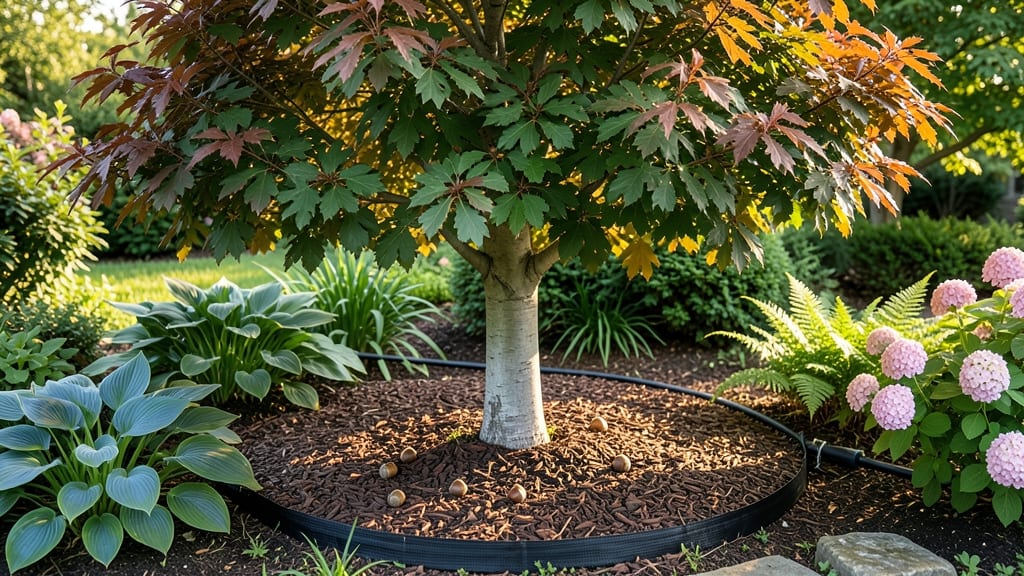
Creating a beech tree landscaping design that wows year-round starts with understanding their natural grace. 🌳 These trees—whether the smooth-barked American beech or the coppery European variety—bring textured beauty in every season, from golden fall foliage to silvery winter branches.
The key? Placing them where their layered canopies can shine as focal points or soften hard edges in your yard.
Beech trees thrive in partial shade to full sun and prefer well-drained, slightly acidic soil—ideal for understory planting or as dramatic specimen trees. Pair them with shade-loving perennials like hostas or ferns to highlight their understory elegance, or let them stand alone as architectural statement pieces in open lawns.
Their slow, steady growth means they’ll mature into a timeless landscape feature over decades.
Pruning is minimal but strategic: remove dead branches in late winter and shape young trees to encourage a balanced, open canopy. In colder climates, their coppery fall leaves and silvery bark create winter interest, while warmer zones benefit from their cool-season shade.
The result? A landscape that feels intentional, layered, and effortlessly refined.
Whether you’re designing a formal garden, a woodland retreat, or a simple backyard, beech trees adapt beautifully. Start small—plant one as a standout specimen—and watch how it transforms your space over time. The best part? Once established, they require little maintenance beyond occasional pruning and mulching.
📚 In This Guide
- What you need
- Instructions
- Tips and common mistakes
- Wrapping up and next steps
What you need
- ● Beech Trees: 1–3 Fagus sylvatica (European Beech) or Fagus grandifolia (American Beech) saplings (5–7 ft tall, #2 container size for mature growth).
- ○ Optional: Dwarf varieties (e.g., Fagus sylvatica 'Purpurea Tricolor') for smaller spaces.
- ● Soil Amendments: 50 lbs compost or well-rotted manure per tree.
- ● 10 lbs organic mulch (hardwood chips or pine straw) per tree.
- ● Fertilizer: 1 lb slow-release granular fertilizer (10-10-10 ratio) per tree.
- ● Digging Tools: 1 shovel (round-point for planting holes).
- ● 1 garden fork (for loosening soil).
- ● Measuring & Marking: 1 tape measure (25 ft).
- ● 4 wooden stakes + twine (for layout).
- ● Watering: 1 hose with adjustable nozzle + soaker hose (50 ft).
- ● Safety: 1 pair gloves (gardening-grade).
- ○ 1 knee pad (optional but helpful!).
- ● Site Assessment: Full-sun to partial-shade location (6+ hours of sunlight for optimal growth).
- ● Well-draining soil (pH 5.0–7.0; amend clay soil with sand if needed).
- ● Spacing: 15–25 ft between trees (adjust for mature canopy size).
- ● Local Regulations: Check city ordinances on tree planting (some areas require permits for large species).
- ● Seasonal Timing: Plant in early spring or fall (avoid extreme heat/cold).
Step-by-Step guide to designing a beech tree landscaping plan
Here's how to create a layered, year-round focal point with beech trees that thrives through all seasons.
🌱 Step 1: Select and Prepare Your Planting Site
Beech trees (Fagus spp.) thrive in well-drained, slightly acidic soil with pH 4.5-6.5. Choose a location with full sun to partial shade—at least 6 hours of direct sunlight daily for optimal growth. Avoid low-lying areas where water pools, as beech roots are sensitive to prolonged saturation.
Test your soil first using a soil pH test kit. If your soil is too alkaline, amend with sulfur or peat moss to lower the pH gradually over 3-6 months. I like to dig a 6-inch deep hole twice as wide as the root ball—this gives roots room to spread without immediate compaction.
☀️ Step 2: Layer the Canopy with Companion Plants
Beech trees create a stunning multi-layered effect when paired with understory shrubs and ground covers. Start by planting **dwarf conifers (e.g., Juniperus spp.) or ornamental grasses like Miscanthus at the base to fill the lower canopy. These plants tolerate the shade cast by mature beech leaves while adding texture.
For mid-canopy layers, incorporate dogwood (Cornus spp.) or serviceberry (Amelanchier spp.) around the tree’s drip line. These species complement the beech’s smooth silver bark and lobed foliage while providing seasonal interest—spring blooms, summer shade, and autumn fruit or color.
🪴 Step 3: Plant the Beech Tree Properly for Long-Term Stability
Place the tree so its root flare (where roots meet trunk) sits 1-2 inches above ground level. This prevents soil from smothering the trunk and causing rot. Backfill with a mix of native soil and compost (ratio 70:30) to encourage root establishment without overwhelming the tree.
Water deeply immediately after planting—10-15 gallons for young trees—to eliminate air pockets. Mulch with 3 inches of wood chips (keep mulch 6 inches away from the trunk) to retain moisture and suppress weeds. Avoid heavy mulch piles, which can suffocate roots and attract pests.
✂️ Step 4: Prune and Maintain for Seasonal Beauty
Prune beech trees in late winter or early spring before new growth begins. Remove dead, diseased, or crossing branches first, then thin out 10-20% of the canopy to improve airflow and sunlight penetration. Beech trees naturally develop a rounded, vase-like shape, so minimal pruning preserves their elegant form.
Fertilize lightly in early spring with a balanced, slow-release fertilizer (10-10-10) if growth appears stunted. Over-fertilizing can lead to excessive leaf growth at the expense of bark development. Monitor for beech leaf disease** (caused by Neonectria faginata), which causes dark spots and defoliation—remove infected leaves promptly and sterilize pruning tools with 70% isopropyl alcohol.
⏰ Step 5: Adjust Care Through the Seasons
In spring, rake away fallen leaves to prevent beech leaf disease buildup and apply a 2-3 inch layer of mulch to protect roots from temperature fluctuations. Water deeply every 7-10 days during dry spells, ensuring the soil remains moist but not soggy—beech trees are drought-tolerant once established but prefer consistent moisture.
By autumn, beech trees display their signature golden-brown foliage, creating a stunning contrast with evergreen companions. Reduce watering as temperatures drop, but keep the soil slightly moist to support root growth. In winter, avoid heavy snow loads on branches by gently shaking off accumulation—beech wood is strong but not indestructible.
Tips & tricks for perfect beech tree landscaping
These practical insights will help you create a thriving, visually stunning beech tree landscape that stands the test of seasons.
Soil Preparation Secret: The 3-6 month timeline for adjusting soil pH with sulfur or peat moss is non-negotiable for beech trees. I recommend testing soil every 2 months during this period—beech roots are sensitive to sudden pH shifts. For faster results, consider using elemental sulfur granules mixed into the top 6 inches of soil, but monitor closely to avoid over-acidification.
Companion Planting Strategy: When selecting understory plants in Step 2, prioritize species with shallow root systems like Juniperus or Miscanthus—they won't compete with beech roots for moisture. I've found that planting these companions in concentric circles around the tree creates a natural, layered look that mimics forest ecosystems. This approach also makes maintenance easier as you can mow between layers.
Planting Stability Technique: The 1-2 inch root flare elevation in Step 3 is crucial for preventing girdling—a common issue where soil smothers the trunk. I like to use a small wooden stake to mark this elevation before backfilling. For larger trees, consider installing a tree support system immediately after planting to prevent wind rock, especially in exposed locations. This small investment pays off in long-term stability.
Seasonal Maintenance Hack: In Step 5, that 2-3 inch mulch layer isn't just decorative—it's your best defense against temperature fluctuations. I recommend using hardwood chips from oak or maple trees, as they break down slowly and maintain their structure better than softwood mulches. Replenish annually in spring to maintain the protective layer without smothering the tree.
Pro Tips for Beech Tree Landscaping
- These practical insights will help you create a thriving, visually stunning beech tree landscape that stands the test of seasons.
- Soil Preparation Secret: The 3-6 month timeline for adjusting soil pH with sulfur or peat moss is non-negotiable for beech trees.
- Companion Planting Strategy: When selecting understory plants in Step 2, prioritize species with shallow root systems like Juniperus or Miscanthus—they won't compete with beech roots for moisture.
Frequently asked questions
Got questions about transforming your space with beech trees? Here are some of the most common queries—plus expert answers to help you plan with confidence!
What’s the best time of year to plant beech trees for optimal growth?
Plant beech trees in early spring or fall when soil is moist but not frozen. Avoid summer heat or winter’s harsh conditions—these trees thrive with 6–8 weeks of cool, stable temperatures to establish roots. Pro tip: Water deeply after planting and mulch to retain moisture!
How far apart should I space beech trees in my landscape design?
Spacing depends on the variety! Mature American beech trees need 30–50 feet apart for full canopy spread, while smaller European beeches can be planted 20–30 feet apart. For layered landscaping, pair them with understory shrubs (like azaleas) to fill gaps. Check your tree’s tag for exact growth projections!
Why are my beech tree leaves turning brown or yellow?
Brown/yellow leaves often signal drought stress, pests (like scale insects), or fungal issues. First, check soil moisture—beeches hate soggy roots! If pests are the culprit, use neem oil or insecticidal soap. For fungal diseases, prune affected branches and improve airflow. Prevention tip: Mulch well and avoid overhead watering!
Are there fast-growing alternatives to beech trees for quick shade?
If you need shade fast, consider silver maples (grow 3–5 ft/year) or hybrid poplars. However, beeches offer year-round interest with their glossy foliage, peeling bark, and fall color. For a compromise, try ‘Fastigiata’ European beech—it grows upright and slightly faster than standard varieties!
Do beech trees drop a lot of leaves or nuts? Will they be messy?
Beech trees are moderate shedders: Leaves turn golden-brown in fall and stay on branches until spring (a natural mulch!). Nuts (beechnuts) are edible for wildlife but can be messy—rake them up if needed. Solution: Plant beeches near gardens where fallen leaves can enrich soil!
Can I prune beech trees at any time, or is there a best season?
Prune dormant trees in late winter/early spring (before bud break) to avoid stress. Avoid heavy pruning in summer—it can invite pests. Use clean, sharp tools to make cuts just outside branch collars. Warning: Never prune in fall if you see signs of beech leaf disease (a fungal threat)!
Wrapping up and next steps
Beech tree landscaping offers timeless beauty and low-maintenance elegance—whether you're layering canopies for privacy, adding seasonal interest, or enhancing curb appeal. Their striking foliage, adaptability, and year-round structure make them a standout choice for any landscape design. 🌳✨
Ready to transform your outdoor space? Start small—plant a single beech tree as a focal point or sketch a layout with native shrubs to complement its grandeur. Research local climate zones and soil types to ensure your design thrives for decades to come!