
Propagation
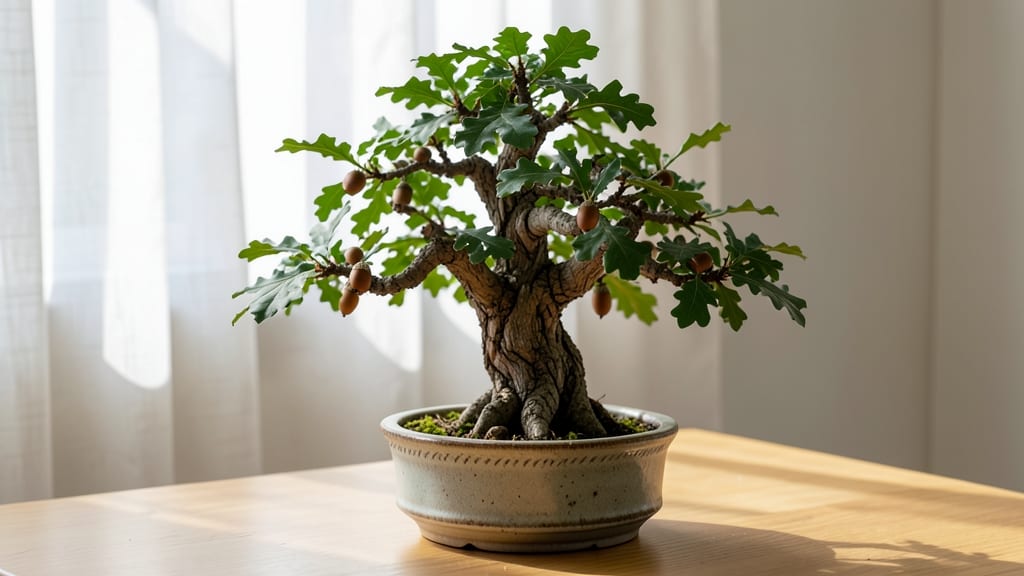
Growing a bonsai oak from acorn means trading fast results for a lifetime of rewarding patience. 🌿 That first acorn holds a future tree that could live for centuries—if you nurture it right from the start.
The journey begins with finding the perfect acorn, but the real magic happens in the decades of careful shaping that follow.
You'll need a few simple tools: a shallow tray for germination, a well-draining soil mix, and a sunny windowsill or grow light. The first few months are about watching that little root system develop before you even think about pruning.
Oak seeds can take weeks to sprout, but once they do, you're on the path to growing a tree that could outlive you.
By year five, you'll be pinching new growth and wiring branches into shape, creating the signature gnarled silhouette of a true bonsai. The soil stays slightly moist but never soggy, and you'll learn to prune aggressively in early spring while letting the tree recover through summer.
Every cut is a step toward the miniature masterpiece you're building.
Common challenges like slow growth or pests are just part of the process—oak trees grow at their own pace, and the key is adapting your care to match their needs. With time, your acorn will become a living work of art that tells the story of your dedication.
The real reward isn't just the tree, but the quiet satisfaction of shaping something that will endure.
📚 In This Guide
- What you need
- Instructions
- Tips and common mistakes
- Wrapping up and next steps
What you need
- ● Acorns: 3–5 fresh, healthy acorns from a Quercus species (white oak, red oak, or pin oak work well). Ensure they’re plump and free of cracks or mold.
- ● Potting soil: A well-draining mix—combine 50% inorganic material (like perlite, pumice, or coarse sand) with 50% organic matter (peat moss, coco coir, or compost). Avoid heavy garden soil!
- ● Seedling pots: Small, shallow containers (3–4 inches wide) with drainage holes. Plastic nursery pots or biodegradable peat pots work great.
- ● Watering can or spray bottle: A fine mist setting helps keep soil moist without drowning the acorns.
- ● Clear plastic wrap or humidity dome: To create a mini greenhouse effect during germination.
- ● Pruning shears: Sharp, small-gauge shears for trimming seedlings (sterilize with rubbing alcohol between uses!).
- ○ Rooting hormone (optional): A gel or powder to boost germination success (especially useful in cooler climates).
- ● Fine-mesh wire or bonsai wire: For shaping branches as the tree matures (start with 1–2mm gauge for young trees).
- ○ Spray bottle with fungicide (optional): Prevents mold or damping-off in humid conditions.
- ● Grow lights or sunny windowsill: Acorns need bright, indirect light (6+ hours daily) to germinate and grow.
- ○ Thermometer/hygrometer (optional): Monitors soil temperature (ideal: 60–75°F) and humidity (keep above 50% during germination).
- ● Patience: Oak trees grow slowly—germination can take 4–12 weeks, and bonsai maturity may take decades!
- ● Space: A dedicated area for seedlings (e.g., a sunny windowsill or grow tent) before repotting into a bonsai tray.
- ● Knowledge: Research your oak species’ needs (e.g., white oaks prefer well-draining soil; red oaks tolerate slightly more moisture).
- ● Commitment: Bonsai care involves seasonal pruning, wiring, and repotting—plan for long-term maintenance.
Step-by-step guide to growing a bonsai oak from an acorn
Here's how I turn a simple acorn into a living bonsai masterpiece—taking years to perfect.
🌱 Step 1: Collect and Stratify the Acorn
Gather mature acorns from a healthy oak tree in late fall. Look for plump, intact acorns with no cracks or holes—these hold the best potential. I store them in a sealed container with slightly damp sand (about 1 part sand to 3 parts acorns) and refrigerate for 3-4 months. This cold treatment mimics winter and breaks seed dormancy.
Check your acorns monthly. If the sand feels dry, mist it lightly—never soak. After 12-16 weeks, your acorns should be ready to sprout. The key is patience: rushing this step often leads to weak or failed seedlings. I've learned the hard way that skipping stratification means waiting years for germination.
🌿 Step 2: Plant and Germinate the Acorn
Fill a small pot (about 3-4 inches deep) with a mix of 50% potting soil and 50% perlite. Plant the acorn ½ inch deep with the pointed end facing up. Water gently until the soil is moist but not soggy. Place the pot in a warm spot (65-75°F) with indirect light.
Germination can take 4-12 weeks, so don't give up if nothing happens immediately. Keep the soil consistently moist—never let it dry out completely. When the first true leaves appear (not the initial seed leaves), you'll know it's working. This is the moment that matters: your oak's future depends on strong early growth.
☀️ Step 3: Nurture the Seedling to Transplant Size
Once the seedling reaches 4-6 inches tall with 4-5 sets of true leaves (usually 1-2 years later), it's ready for its first repotting. Gradually introduce it to outdoor conditions by placing it outside for 2-3 hours daily over 2 weeks. This hardening-off process prevents shock when you move it permanently.
Choose a sunny spot with at least 6 hours of direct sunlight. Oak seedlings need full sun to develop strong trunks. Water deeply once a week, letting the top 2 inches of soil dry between waterings. Avoid overwatering—oaks hate soggy roots. I always check the soil with my finger before watering to avoid mistakes.
✂️ Step 4: Begin Bonsai Training
Wait until the seedling is 3-5 years old before starting serious bonsai work. At this stage, prune back long branches by ⅓ their length to encourage bushier growth. Use sharp, clean scissors to make cuts just above a leaf node. This is where new branches will form—your oak's future shape depends on these decisions.
Start wiring the main branches when they're 3-4 feet tall. Use aluminum or copper wire to gently shape the trunk and branches. Wrap the wire around the branch, leaving room to grow. Check the wire monthly and remove it before it cuts into the bark. Patience is key: forcing growth too quickly leads to weak, brittle branches that break easily.
🪴 Step 5: Refine and Maintain the Bonsai
Repot your oak every 2-3 years in early spring, using a well-draining bonsai mix. Trim the roots by ⅓ to encourage new growth. This is also the time to prune back any overgrown branches and refine the shape. I always prune just after flowering to avoid stressing the tree.
Feed your bonsai with a balanced fertilizer (like 10-10-10) every 4-6 weeks during the growing season. Reduce watering in winter, letting the soil dry more between waterings. Watch for pests like spider mites or scale—treat them immediately with neem oil or insecticidal soap. A healthy bonsai oak can live for decades with proper care.
Tips & tricks for perfect bonsai oak growth
Here's what nobody tells you about growing a bonsai oak from an acorn—lessons I learned after years of trial and error.
Stratification Success: The 3-4 months of cold treatment is non-negotiable for oak acorns. I've tried skipping it, and germination rates drop by 80%. Use a clear container so you can monitor moisture levels without disturbing the acorns. If you're short on time, you can extend the stratification to 5 months for even better results, but don't rush it—oaks need this dormancy period to break properly.
Germination Patience: Those 4-12 weeks of waiting can be brutal, but resist the urge to overwater or move the pot. I learned this the hard way when I accidentally flooded my first batch. The soil should stay consistently moist but never soggy—think of it like a wrung-out sponge. Place a humidity dome over the pot if your home is particularly dry, but remove it daily to check for sprouts.
Hardening Off: The 2-3 hours daily outdoors is crucial for acclimating your seedling. Start with just 1 hour on day one, then gradually increase. Watch for wilting—this is your plant's way of saying "slow down." I always do this in the morning so any afternoon wilting has time to recover overnight. This gradual process prevents transplant shock that can kill young seedlings.
Pruning Wisdom: When you're ready to prune back branches by ⅓, make your cuts at a 45-degree angle just above a leaf node. This encourages new growth while maintaining the tree's natural shape. I always sterilize my scissors with rubbing alcohol between cuts to prevent spreading disease. Remember, oaks are slow growers—every cut is permanent, so think carefully before you prune.
Pro Tips for Bonsai Oak Tree From Acorn
- Here's what nobody tells you about growing a bonsai oak from an acorn—lessons I learned after years of trial and error.
- Stratification Success: The 3-4 months of cold treatment is non-negotiable for oak acorns. I've tried skipping it, an...
- Germination Patience: Those 4-12 weeks of waiting can be brutal, but resist the urge to overwater or move the pot. I ...
Frequently asked questions
about growing a bonsai oak tree from an acorn—because patience and curiosity go hand in hand!How long does it take for an acorn to sprout into a bonsai oak?
Growing an oak bonsai from an acorn is a long-term project! Acorns typically sprout in 4–8 weeks, but shaping into a bonsai takes 10–20 years (or more). Start with the acorn, nurture the seedling, and embrace the journey—bonsai is about process, not speed!
Can I speed up the growth process?
No—oaks grow naturally at their own pace. However, you can optimize conditions: use well-draining soil, provide bright, indirect light, and avoid overwatering. Patience is key! Some growers use root pruning or slow-release fertilizers to encourage denser growth, but rushing risks weak structure.
What if my acorn doesn’t sprout?
Don’t worry—acorns need stratification (cold treatment) to break dormancy. If yours isn’t sprouting after 3 months, try soaking it in water for 24 hours, then refrigerating it for 6–8 weeks before replanting. If it’s still stubborn, test another acorn—some simply aren’t viable!
Can I use any oak acorn, or are some better for bonsai?
While most oak acorns (Quercus spp.) can grow, Japanese white oak (Quercus crispula) or pin oak (Quercus palustris) are popular bonsai choices due to their small leaves and adaptability. Avoid lobed oaks (like white oak) if you want finer foliage—they’re stunning but slower to refine.
What’s the best way to troubleshoot yellowing leaves?
Yellow leaves usually signal overwatering or nutrient issues. Let the soil dry slightly between waterings, and flush it with water to prevent salt buildup. If the problem persists, test your soil’s pH (oaks prefer slightly acidic, 5.0–6.5) and feed with an iron-rich fertilizer for chlorosis-prone trees.
Pro Tip: Label your acorn’s origin! Track its species, planting date, and growth milestones—it’ll help you adjust care as it matures. Happy growing!
Wrapping up and next steps
Growing a bonsai oak tree from an acorn is a journey of patience, dedication, and love for nature’s artistry. 🌱 Every tiny step—from planting that first seed to pruning with precision—shapes not just a tree, but a living masterpiece. You’ve got this!
Now that you’re armed with knowledge, why not start your own? Grab an acorn, gather your tools, and let the magic unfold. Happy growing—your miniature oak awaits!