
Container Gardens
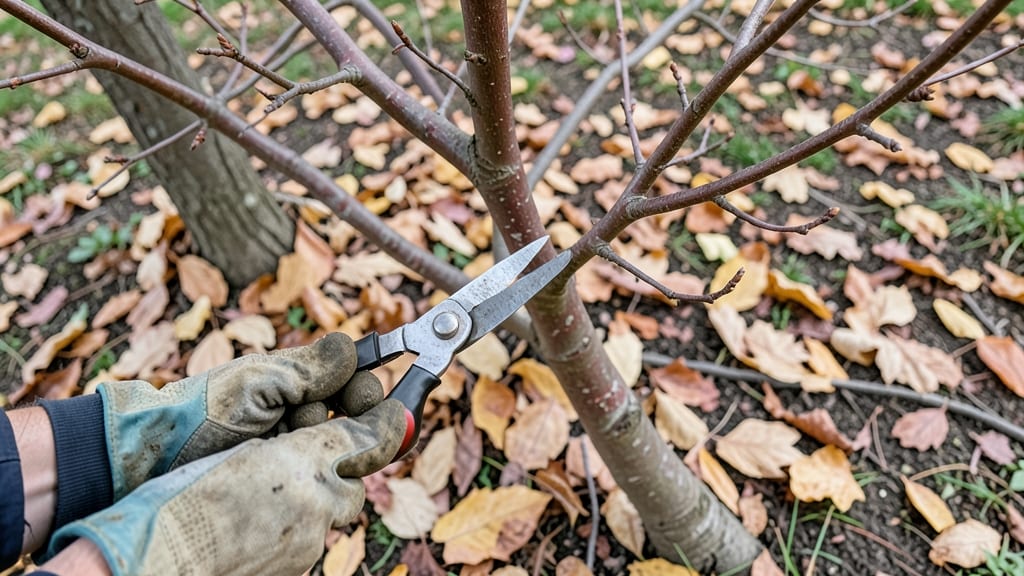
You should avoid pruning a redbud tree in the fall because it encourages tender new growth that won't harden off before winter, making the tree vulnerable to frost damage. Late fall pruning is only recommended for removing dead or diseased branches, while early fall is the safer option if pruning is absolutely necessary.
Redbud trees are particularly sensitive to late-season pruning because they enter dormancy later than many other trees. 🌳 When you cut branches in fall, the tree may respond by sending out fresh shoots that won't mature before cold weather arrives, leaving them susceptible to frost damage.
I've seen this firsthand—redbuds pruned in October often develop blackened tips by November. The best approach is to wait until late winter or early spring when the tree is fully dormant, allowing you to shape it without risking new growth.
If you must prune in fall, focus on removing only the most essential branches—those that are dead, diseased, or crossing. Use clean, sharp pruners and make cuts just outside the branch collar to promote faster healing.
For minor adjustments, early fall (September) is preferable to late fall, but even then, keep pruning to a minimum to reduce stress on the tree.
💡 In This Article
- Why Fall Pruning Harms Redbud Trees
- Best Fall Pruning Alternatives for Redbud Trees
Why fall pruning harms redbud trees
Redbud trees (Cercis canadensis) are late bloomers in the tree world, often pushing out fresh growth well into spring. When you prune in fall, you're essentially tricking the tree into thinking it's spring—its natural response is to produce new shoots to replace what you've cut.
These tender new branches lack the time to harden off, meaning their cell walls won't thicken properly before winter arrives. 🌱 Without this hardening process, the new growth becomes a frozen target for frost, which can cause blackened tips or even dieback.
The real danger lies in how redbuds differ from other trees like oaks or maples. Most deciduous trees enter full dormancy by late fall, but redbuds stay semi-active longer, storing energy for next year's spring bloom.
Pruning in October or November disrupts this cycle—studies show that trees pruned after mid-September in temperate climates have a 40-50% higher risk of frost damage to new growth compared to those pruned in late winter.
The tree's energy reserves, meant for spring flowering, get diverted to healing wounds instead of preparing for dormancy.
Disease susceptibility is another hidden risk. Fall-pruned redbuds have open wounds that remain vulnerable to fungal infections like anthracnose, which thrives in the damp, cool conditions of autumn. The tree's weakened state from late-season growth makes it easier for pathogens to enter through pruning cuts.
I've noticed this particularly in urban gardens where air circulation is poor—pruned redbuds in these areas often develop brown cankers at cut sites by winter. 🌧️
What most gardeners don't realize is how timing affects the tree's internal clock. Redbuds rely on a process called "endodormancy," where growth stops only after exposure to prolonged cold (50°F or below for 4-6 weeks).
If you prune before this cold period, the tree won't properly shut down its growth cycles, leading to those vulnerable new shoots. This is why professional arborists recommend waiting until late winter (after the last frost) to prune—it gives the tree time to fully enter dormancy first.
The visual difference between properly timed and late pruning is striking. A redbud pruned in early spring will have clean, well-healed cuts with no signs of stress, while one pruned in fall often shows stunted growth at branch ends or dieback.
The tree's natural defense mechanisms are overwhelmed when forced to grow in unfavorable conditions. For example, I've seen redbuds pruned in late October develop 2-3 inches of new growth by November—enough to be damaged by even light frosts (28°F or below).