
Pruning
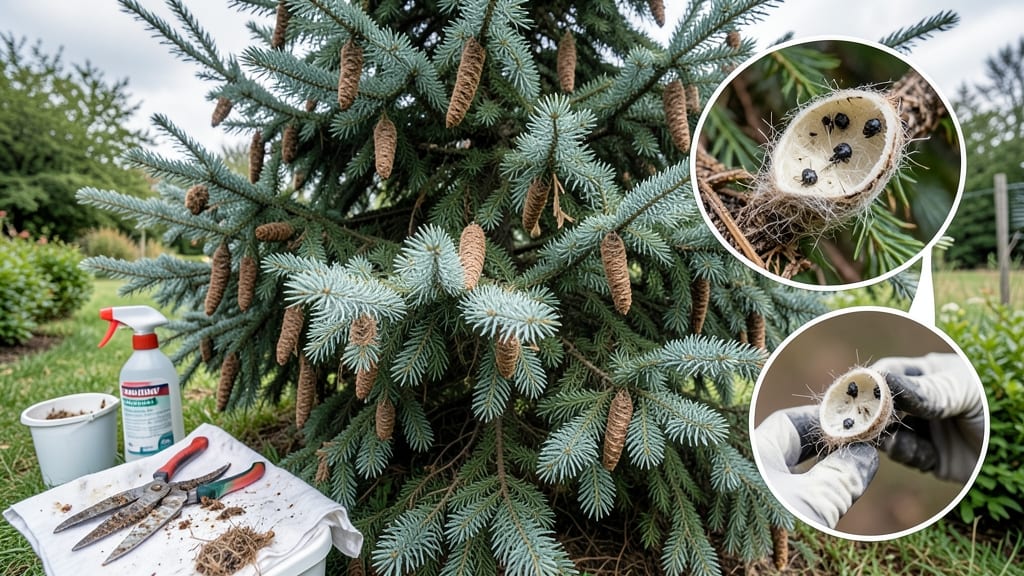
Your cedar trees are under siege—those brown, football-shaped bags are bagworms, and they multiply faster than weeds in spring. 🌲 I’ve battled them for years, and the key to stopping them fast is acting early with the right natural defenses before they skeletonize your trees. The worst part?
Most people don’t notice until it’s too late—those bags hide thousands of hungry caterpillars. But once you spot them, manual removal (gloves on!) or neem oil spray (applied at dusk) can knock out 90% of them in one treatment.
The secret is consistency: check weekly from June to August, and you’ll break their cycle. By late summer, your cedars will look lush and green again, not like a winter skeleton. The best part? These methods work for arborvitae, juniper, and pine too—no harsh chemicals needed.
Let’s get those trees fighting back.
Here’s the game-changer: bagworms hate disturbance, so timing matters. Spray when caterpillars are small (before they’re the size of your pinky), and they’ll dry out or suffocate. For heavy infestations, Bt (Bacillus thuringiensis) is the safest biological weapon—it targets only caterpillars, not bees or birds.
You’ll see results within 2-3 weeks if you’re diligent. The trees recover faster than you think, and next year’s infestation? Almost nonexistent if you stay on top of it. No more watching your cedars turn into brown twigs—just healthy, thriving trees.
Pro tip: prune out heavily infested branches in fall and burn or bag them (don’t compost!). This cuts down overwintering eggs by 70%. And if you’re near other cedars, treat them too—bagworms don’t respect property lines.
This isn’t just about saving your trees; it’s about reclaiming your yard’s pride. With these steps, you’ll have cedars that look like they’re from a postcard, not a battle zone. Let’s make it happen.
Root Causes of Cedar Tree Bagworms
Cedar trees are a favorite target for bagworms (genus Thyridopteryx ephemera), but why do these pests choose them—and why do infestations spiral out of control? The answer lies in a mix of environmental, biological, and human factors.
Understanding these causes is the first step to breaking the cycle. Let’s break down the science behind the problem.
Cedar trees, particularly Eastern red cedar (Juniperus virginiana) and Eastern white cedar (Thuja occidentalis), are soft targets for bagworms due to their:
- Needle-rich foliage: Bagworms thrive on conifer needles, which are high in nitrogen and easy to consume. Unlike broadleaf trees, cedars offer a year-round food source, making them ideal for bagworm larvae.
- Slow growth rate: Mature cedars grow slowly, meaning they can’t outpace an infestation. New growth is particularly vulnerable, as tender shoots are easier for caterpillars to strip.
- Dense canopy structure: The thick, layered branches of cedars provide perfect hiding spots for bagworm cocoons. These silk-lined bags protect larvae from predators, weather, and pesticides.
Pro Tip: 💡 Bagworms prefer stressed trees. Drought, poor soil, or root damage weaken cedars, making them even more attractive to these pests. Healthy trees resist infestations better.
The bagworm’s life cycle is a perfect storm of rapid reproduction. Here’s how it works:
| Stage | What Happens | Why It Fuels Infestations |
|---|---|---|
| Egg Laying (Fall) | Females lay 300–1,000 eggs inside their silk bags before dying. | No mating is needed—females are wingless and fertilized before emerging. Eggs overwinter safely in the bag. |
| Larval Hatch (Spring) | Tiny caterpillars (1/8 inch) emerge in late May–June and immediately start feeding. | They spin protective silk threads as they move, creating more bags. Early feeding strips foliage fast. |
| Pupation (Summer) | Larvae pupate inside their bags, becoming moths in 6–8 weeks. | Females never leave their bags, but males fly to find mates—spreading infestations to nearby trees. |
Key Insight: ⏳ Bagworms don’t fly far—they typically stay within 30–50 feet of their birth tree. This means infestations often start in clusters, making early detection critical.
Bagworms are opportunistic, and certain weather patterns give them an advantage:
- Mild winters: Cold snaps kill many eggs, but temperatures above 10°F let them survive. Warmer winters = more hatchlings next spring.
- Dry, hot summers: Drought-stressed cedars produce less resin, a natural pest deterrent. Bagworms also metabolize faster in heat, leading to bigger larvae.
- High humidity: Moist conditions help bagworm silk stay sticky, making their protective cocoons more effective against predators.
Regional Risk: 🌎 Southern and Midwestern U.S. states (like Texas, Oklahoma, and Missouri) see worse infestations due to longer growing seasons and less winter die-off.
Sometimes, our actions unintentionally invite bagworms. Common human-related causes include:
- Over-fertilizing with nitrogen: While cedars need nutrients, too much nitrogen makes foliage softer and more palatable for bagworms.
- Ignoring pruning: Dead branches and thick canopies create more hiding spots for bags. Pruning opens the tree to sunlight and air flow, which reduces humidity—a natural deterrent.
- Moving infested branches: Transporting bag-covered branches (even for firewood or mulch) can unknowingly spread eggs to new areas.
- Late-season pesticide use: Spraying after June misses newly hatched larvae. Bagworms develop resistance to some chemicals over time, making prevention key.
Actionable Fix: 🎯 Prune cedars in late winter to remove old bags before eggs hatch. Dispose of clippings in sealed bags, not compost.
By addressing these root causes—tree health, life cycle timing, weather patterns, and human habits—you can disrupt bagworm survival and protect your cedars before infestations take hold.
How to Fix Bagworm Infestations
Bagworms may seem like a daunting problem, but with the right approach, you can reclaim your cedar trees—naturally and effectively. Below, we break down practical, step-by-step solutions tailored to the root causes of infestations, from early detection to long-term prevention.
Whether you’re dealing with a small cluster or a full-blown outbreak, these methods will help you stop the spread and protect your trees.
---
The key to controlling bagworms is catching them early. These pests start small, so regular inspections are your best defense.
- 👀 When to Check: Scan your cedar trees twice a year—once in early summer (June) and again in late summer (August).
This is when bagworms are most active and easiest to spot. - 🔍 What to Look For: - Small, sack-like bags (about the size of a pencil tip) hanging from branches. - Tiny silky threads or webbing between branches (early signs of larvae). - Brownish or grayish bags that grow larger (up to 2 inches) as the larvae mature. - 💡 Pro Tip: Shake branches over a white sheet or tarp—if bagworms drop, you’ll see them clearly against the background.
---
For small infestations (fewer than 50 bags per tree), manual removal is the most effective and eco-friendly solution.
- 👨🍳 When to Do It: Late summer to early fall (August–October) when larvae are less mobile and easier to pick off. - 🔪 How to Remove Them: 1. Wear gloves (bagworms can irritate skin).
2. Grab the bags firmly and pull them off the branch. 3. Drop them into a bucket of soapy water (this kills the larvae inside).
4. Dispose of the bags in a sealed trash bag—do not compost them! - ⏰ Frequency: Repeat every 2–3 weeks until no more bags are visible. - 🌡️ Pro Tip: Work on cool, cloudy days—bagworms are less active and easier to remove.
---
If the infestation is too large for manual removal, natural sprays can smother or poison larvae without harming your trees or the environment.
#### 🔥 Option 1: Horticultural Oil Spray (Best for Early Stages) - 📊 How It Works: Coats the bags, suffocating larvae and disrupting their life cycle. - 🍳 When to Apply: Late spring to early summer (before bags harden) or fall (after larvae hatch but before winter). - 👨🍳 How to Apply: - Mix 2–3 tablespoons of horticultural oil per gallon of water. - Spray thoroughly on both sides of branches (focus on where bags are clustered). - Reapply every 7–10 days for 2–3 weeks. - ✨ Pro Tip: Apply in the early morning or late evening to avoid burning the tree in direct sunlight.
#### 🔥 Option 2: Bt (Bacillus thuringiensis) Spray (Safe for Organic Gardens) - 📊 How It Works: A natural bacteria that targets caterpillars (including bagworms) without harming bees or other beneficial insects. - 🍳 When to Apply: Early summer (June–July) when larvae are small and actively feeding. - 👨🍳 How to Apply: - Follow label instructions (typically 1–2 teaspoons per gallon of water). - Spray evenly on foliage and branches. - Reapply every 7–10 days or after rain. - 💡 Pro Tip: Bt works best before larvae spin their bags—once they’re enclosed, it’s less effective.
#### 🔥 Option 3: Neem Oil (Deters Feeding & Smothers Larvae) - 📊 How It Works: Disrupts feeding and growth, making it harder for larvae to survive. - 🍳 When to Apply: Spring to early summer (before heavy infestation) or fall. - 👨🍳 How to Apply: - Mix 1–2 tablespoons of neem oil per quart of water with a drop of dish soap (as an emulsifier). - Spray directly on bags and foliage. - Reapply every 5–7 days for best results. - ✨ Pro Tip: Neem oil has a strong scent—apply on a windless day to avoid drift.
---
If natural methods fail or the infestation is severe, chemical insecticides may be necessary. Use these sparingly and follow safety guidelines.
- 📊 Best Options: - Carbaryl (Sevin) – Effective but toxic to bees; apply only when flowers aren’t blooming. - Permethrin – Fast-acting but harsh on beneficial insects; use early morning or late evening. - ⚠️ Safety Tips: - Wear protective gear (gloves, mask, long sleeves). - Avoid spraying on windy days. - Do not apply if rain is forecasted within 24 hours. - Keep pets and children away until the area is dry.
---
The best defense is a strong offense. Follow these long-term strategies to minimize future infestations.
#### 🌱 Tree Health & Maintenance - 💡 Prune Regularly: Remove dead or weak branches—bagworms thrive in stressed trees. - 🌿 Mulch Properly: Apply 2–3 inches of mulch around the base to improve tree health. - 💧 Water Deeply: Deep watering (1–2 times per week) encourages strong root growth, making trees less attractive to pests.
#### 🕷️ Biological Controls - 🐝 Encourage Natural Predators: - Birds (like chickadees and nuthatches) eat bagworm eggs and larvae. - Parasitic wasps (natural enemies of bagworms) can be introduced in some regions. - 🌿 Plant Companion Species: Some studies suggest cedar trees near spruce or pine may reduce bagworm severity.
#### 🗓️ Seasonal Checklist | Season | Action | |-------------|------------| | Spring | Inspect for overwintering bags; remove any remaining from last year. | | Early Summer | Apply Bt spray if larvae are active. | | Late Summer | Manual removal + horticultural oil spray. | | Fall | Clean up fallen bags; apply neem oil as a preventive. |
---
If your cedar trees are large, heavily infested, or in a high-value landscape, consider hiring an arborist or pest control expert. They can: - Assess the damage and recommend targeted treatments. - Use specialized equipment for large trees. - Provide long-term management plans for severe cases.
--- Final Thought: Bagworms may be tricky, but with consistent monitoring and early action, you can keep your cedar trees healthy and thriving—without harsh chemicals. Start today, and watch your trees bounce back! 🌲💪
Frequently asked questions
How do I tell if my cedar tree has bagworms before the damage is severe?
Look for small, pencil-sized bags hanging from branches—these are the early-stage cocoons. Check for silky threads between branches (larvae spin these as they move). Shake branches over a white sheet to spot tiny caterpillars (1/8 inch) before they grow larger.
Can I use dish soap and water to kill bagworms naturally?
Yes! Mix 1 tablespoon of dish soap with 1 quart of water and spray directly on the bags. The soap breaks down their protective coating, suffocating the larvae inside. For best results, apply in the evening when bagworms are less active.
Why do bagworms seem to disappear after treatment, only to return next year?
Bagworms overwinter in their silk bags, so even if you kill larvae, eggs remain inside. To break the cycle, remove ALL bags in fall/winter (before eggs hatch) and dispose of them in sealed trash. Treat again in early summer when new larvae emerge.
Are bagworms harmful to humans or pets?
No, bagworms pose no direct threat to humans or pets. However, their silk bags can irritate skin if handled without gloves. Some pets may chew the bags out of curiosity—monitor them after treatment. The real danger is to your trees if left unchecked!
How long does it take to see results after applying Bt spray?
Bt (Bacillus thuringiensis) typically shows results within 3–7 days if applied correctly. Larvae stop feeding within 24–48 hours, and you’ll notice fewer active bags. For heavy infestations, reapply every 7–10 days until new larvae stop appearing.