
Trees
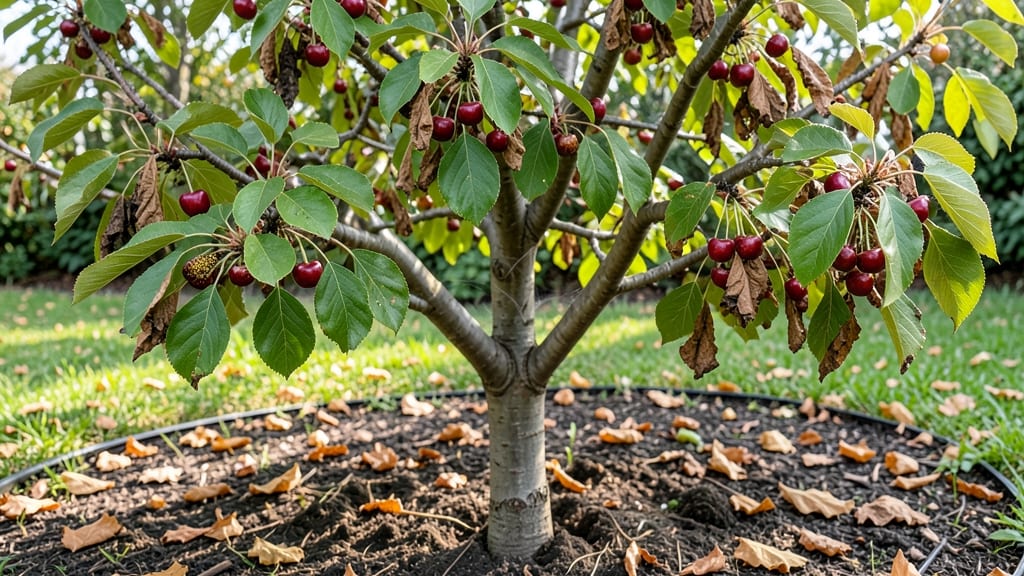
Brown leaves on your cherry tree don’t have to mean the end of its glory. 🌿 I’ve nursed back more than a few struggling cherry trees, and the key is acting fast—before the problem spreads.
The first step is figuring out why the leaves are turning brown, because that determines the cure: too much water, not enough nutrients, or maybe even a fungal infection hiding in the branches.
Start by checking the edges of the leaves—are they crispy and dry or soft and mushy? That tells you whether it’s drought stress or overwatering. Look at the bark for cracks or oozing sap, and examine the soil for pests like mites or borers.
Most people skip this detective work and just guess, which is why their trees keep struggling. Once you identify the culprit, fixing it is straightforward—whether it’s adjusting your watering schedule, applying the right fertilizer, or pruning out infected branches.
Within weeks, you’ll see new green leaves pushing out, and your tree will look like it did in its prime.
The secret isn’t just treating the symptoms—it’s giving your cherry tree the right care moving forward, like mulching properly, spacing it correctly, and keeping an eye out for early signs of trouble. That way, next season, you won’t have to scramble to save it again.
This works for both sweet and tart cherries, whether you’re dealing with a young sapling or a mature tree. The faster you act, the faster your tree bounces back—and with the right maintenance, you’ll have lush, healthy foliage that makes your neighbors jealous.
Let’s get your cherry tree looking vibrant again.
Why it happens
When your cherry tree’s leaves turn brown, it’s usually a cry for help—often rooted in environmental stress, disease, or poor care. Below, we break down the most common reasons why this happens, so you can diagnose the issue and take action.
🌡️ Extreme Temperature Shifts
Cherry trees are sensitive to sudden temperature changes, especially late frosts or scorching summer heat. When temperatures drop below 28°F (-2°C) or spike above 90°F (32°C) without acclimation, leaves can scorch and turn brown at the edges or tips.
This is called physiological leaf scorch, and it’s irreversible for affected leaves—but new growth can recover with proper care.
- Signs: Brown, crispy patches on leaf edges, often starting on sun-exposed branches.
- Actionable fix:
- Mulch the base with 3–4 inches of organic mulch (wood chips or straw) to regulate soil temperature.
- Water deeply 1–2 times per week during heatwaves to cool roots.
- Provide afternoon shade with shade cloth (30–50%) if temperatures exceed 95°F (35°C).
💧 Watering Woes: Too Much or Too Little
Cherry trees despise soggy roots or drought stress. Overwatering suffocates roots, leading to fungal diseases like root rot, while underwatering causes hydraulic failure, where leaves wilt and brown from the bottom up.
| Issue | Signs | Solution |
|---|---|---|
| Overwatering | Yellowing leaves, brown spots, mushy stems, or mold at the base. | Let soil dry 2–3 inches deep between waterings. Improve drainage with gravel or sand in heavy clay soil. |
| Underwatering | Crispy, brown edges; leaves curling inward; soil pulling away from the pot (if potted). | Water deeply 2–3 times per week in summer, ensuring moisture reaches 12+ inches deep. Use drip irrigation for consistency. |
🍄 Fungal Infections: The Silent Leaf Killers
Fungi like Anthracnose or Leaf Spot thrive in damp, humid conditions, causing brown spots with yellow halos or blackened veins. These diseases spread rapidly in wet springs or poor air circulation.
- Signs:
- Dark brown/black spots with fuzzy mold (Anthracnose).
- Tiny brown dots with yellow borders (Leaf Spot).
- Leaves dropping prematurely.
- Prevention & Treatment:
- Prune infected branches 6–12 inches below the damage in dry weather (sterilize tools with 70% rubbing alcohol).
- Apply copper fungicide (e.g., Copper Sulfate) every 2–3 weeks during rainy seasons.
- Space trees 10–15 feet apart for airflow; avoid overhead watering.
🐛 Pest Damage: Sap-Sucking Menaces
Insects like spider mites, scale, or Japanese beetles pierce leaves, causing brown stippling, webbing, or skeletonized foliage. Heavy infestations weaken the tree, making it susceptible to secondary infections.
🔍 How to spot them:
| Pest | Damage Signs | Control Method |
|---|---|---|
| Spider Mites | Fine webbing, bronze-brown speckling, especially on undersides. | Spray with neem oil or water blast (miters hate humidity). Repeat weekly. |
| Scale Insects | Sticky residue (honeydew), brown bumps on stems/leaves. | Scrape off with a plastic scraper; treat with horticultural oil in dormant season. |
| Japanese Beetles | Irregular holes, skeletonized leaves, beetles on foliage. | Handpick into soapy water; use milky spore bacteria for long-term control. |
🌱 Nutrient Deficiencies: Starving Leaves
Brown leaves can signal a lack of key nutrients, often due to poor soil or over-fertilizing with nitrogen-heavy mixes. Cherry trees need a balanced diet of nitrogen (N), phosphorus (P), and potassium (K), plus micronutrients like magnesium and iron.
- Deficiency Clues:
- Yellowing between veins (chlorosis) → Iron or magnesium deficiency (common in alkaline soil).
- Brown leaf edges with green centers → Potassium deficiency.
- Slow growth + pale leaves → Nitrogen deficiency.
- 💡 Pro Tips:
- Test soil every 2–3 years (pH should be 6.0–7.0 for cherries).
- Amend soil with compost or peat moss for acid-loving varieties.
- Use a balanced fertilizer (10-10-10) in early spring; avoid high-nitrogen in summer.
Revive Your Cherry Tree Fast
Brown leaves on your cherry tree can feel like a heartbreaking sign of distress, but with the right care, you can nurse it back to vibrant health. Below are targeted solutions based on the most common causes—each with a step-by-step approach and proactive tips to keep your tree thriving.
Signs: Wilting, crispy brown edges, or leaves falling off despite moist soil. Solution:
- Check the Soil 🔍
- Stick your finger 2–3 inches into the soil. If it’s soggy, your tree is overwatered. If dry, it’s thirsty.
- Pro Tip: Use a moisture meter for accuracy—cherry trees hate "wet feet" but also need consistent hydration.
- Adjust Watering Routine 💧 - Overwatered? Let the top 2–3 inches dry out before watering again. Improve drainage by adding organic mulch (2–3 inches) around the base (but not touching the trunk). - Underwatered? Water deeply 1–2 times per week (more in extreme heat).
Use drip irrigation to deliver water slowly at the roots.
- Aerate Compacted Soil 🏗️
- Loosen soil around the root zone with a garden fork to help roots breathe.
Prevention:
- Water early in the morning to reduce evaporation.
- Group plants with similar water needs (like other fruit trees) to streamline care.
Signs: Brown, papery patches on leaves (often on sun-exposed sides). Solution:
- Provide Temporary Shade 🌿
- Use shade cloth (30–50% coverage) or move potted cherry trees to a partially shaded spot for a few weeks.
- Pro Tip: Avoid sudden shade changes—acclimate the tree gradually over 7–10 days.
- Boost Hydration 💦
- Increase watering frequency during heatwaves (but avoid wetting leaves to prevent fungal issues).
- Apply mulch to retain moisture and cool the root zone.
- Prune Strategically ✂️
- Thin out dense foliage to improve airflow and reduce heat buildup.
Prevention:
- Plant cherry trees in locations with morning sun and afternoon shade (especially in hot climates).
- Choose heat-tolerant varieties like ‘Stella’ or ‘Rainier’ if you live in a warm region.
Signs: Brown spots with yellow halos, white powdery residue, or leaves curling. Solution:
- Remove Infected Leaves 🧹
- Prune and dispose of severely affected leaves (don’t compost them!). Sterilize pruners with rubbing alcohol.
- Apply Fungicide 🛡️
- Use a copper-based fungicide or neem oil spray (follow label instructions). Reapply every 7–14 days until new growth appears.
- Pro Tip: For prevention, spray fungicide preventatively in spring before symptoms appear.
- Improve Air Circulation 🌬️
- Prune to open up the canopy and space trees at least 15–20 feet apart.
Prevention:
- Avoid overhead watering—use drip irrigation or soaker hoses.
- Water in the early morning so leaves dry quickly.
Signs: Sticky residue (honeydew), webbing, chewed leaves, or sawdust-like frass. Solution:
- Blast Off Pests 💦
- For soft-bodied pests (aphids, mites): Spray with a strong stream of water to knock them off, then apply insecticidal soap or horticultural oil.
- For borers: Use beneficial nematodes or systemic insecticide (like imidacloprid) for deep-root infestations.
- Introduce Predators 🐞
- Attract ladybugs or lacewings by planting companion flowers like marigolds or dill.
- Prune Damaged Areas ✂️
- Cut out and destroy heavily infested branches.
Prevention:
- Inspect trees weekly during growing season.
- Remove fallen leaves/debris where pests hide.
Signs: Uniform yellowing between leaf veins (chlorosis), stunted growth. Solution:
- Test Your Soil 📊
- A soil test kit (available at garden centers) will reveal deficiencies. Cherry trees often need iron, zinc, or nitrogen.
- Fertilize Correctly 🌱
- For iron deficiency: Apply chelated iron or use Epsom salt (1 tbsp per gallon of water, sprayed on leaves).
- For general health: Use a balanced fertilizer (10-10-10) in early spring, then a low-nitrogen, high-phosphorus (5-10-10) in summer.
- Avoid Over-Fertilizing ⚠️
- Too much fertilizer burns roots. Follow package instructions and water thoroughly after applying.
Prevention:
- Mulch annually with compost to slowly release nutrients.
- Plant cover crops like clover in surrounding soil to boost nitrogen naturally.
If your cherry tree is rapidly shedding brown leaves, act fast:
- Check for Shock 😵
- Recent transplanting, extreme weather, or chemical exposure can cause stress. Keep the tree well-watered and shaded for 2 weeks.
- Inspect for Root Issues 🌱
- Gently loosen soil to check for root rot (black, mushy roots). If found, trim affected roots and repot in fresh, sterile soil.
- Support with Growth Hormones 💪
- Apply root stimulator (like Mycorrhizal fungi) to help recovery.
Prevention:
- Acclimate young trees to outdoor conditions before planting.
- Avoid herbicides near the tree’s root zone.
Final Reminder: 🌟 Consistency is key! Monitor your cherry tree’s progress and adjust care as needed. With patience, your tree will bounce back—and next season, you’ll have lush, green foliage (and maybe even cherries!).
Frequently asked questions
Why are my cherry tree leaves turning brown only at the edges?
This is often a sign of environmental stress, like underwatering, heat scorch, or low humidity. Check if the soil is dry 2-3 inches deep—if so, water deeply. For heat stress, provide afternoon shade with shade cloth (30-50%) and mulch to retain moisture. Brown edges can also indicate potassium deficiency, so test your soil and amend with compost if needed.
Can I save my cherry tree if most leaves are already brown?
Yes, but act fast! Prune dead or diseased branches to redirect energy to healthy growth. Focus on fixing the root cause—whether it's water issues, pests, or disease—and apply balanced fertilizer (10-10-10) in spring. New leaves will emerge within 4-6 weeks if the roots are still healthy. For severe cases, check for root rot by gently loosening soil.
How do I tell if brown leaves are from pests vs. disease?
Look closely: Pests (like spider mites or beetles) leave chewed holes, webbing, or sticky honeydew. Diseases (like Anthracnose) show as dark spots with yellow halos or fuzzy mold. For pests, spray with neem oil or insecticidal soap. For diseases, prune infected areas and apply copper fungicide. Always sterilize pruners with 70% rubbing alcohol.
Will pruning help brown leaves on my cherry tree?
Pruning alone won’t fix brown leaves, but it’s a critical step! Remove 100% of dead/diseased branches and thin out crowded areas to improve airflow. For healthy growth, cut back to 1/3 of the branch’s length and sterilize tools between cuts. Pair pruning with proper watering and fertilization for best results. Avoid pruning during wet weather to prevent fungal spread.
How often should I water a cherry tree with brown leaves?
Water deeply 1-2 times per week in summer, ensuring moisture reaches 12+ inches deep. Use drip irrigation to avoid wetting leaves (which spreads disease). For recovery, check soil moisture daily—if the top 2-3 inches are dry, water again. Overwatering is worse than underwatering; let soil dry slightly between waterings to prevent root rot.