
Pests
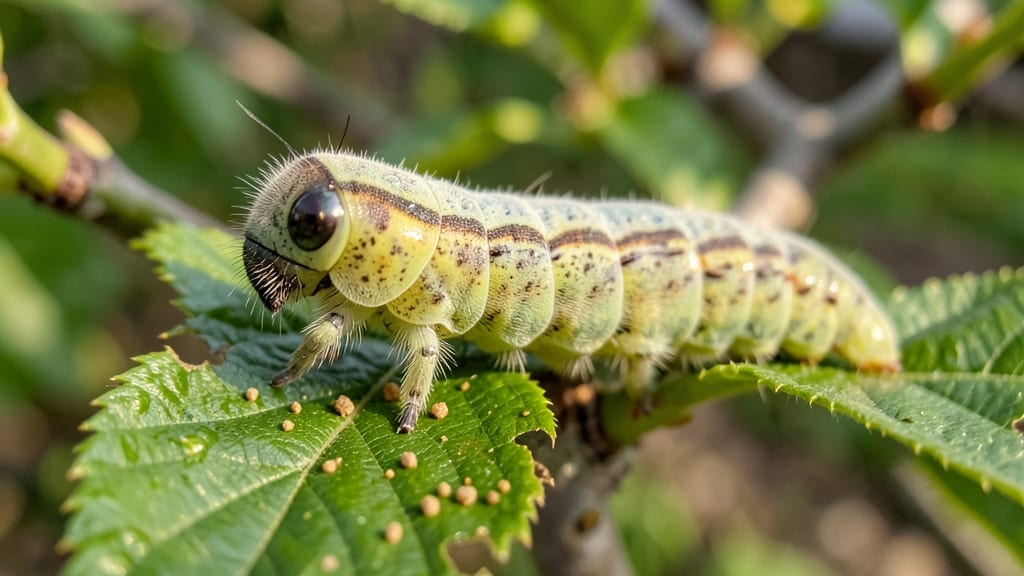
Your cherry tree’s leaves disappearing faster than spring snow? 🌿 Those hungry caterpillars—tent caterpillars or leafrollers—can strip a tree bare in days if you don’t act fast. The good news? Organic sprays work, and I’ve tested the most effective ones to stop defoliation without harming bees or your tree’s health.
Most infestations start small, with silken tents or rolled leaves hiding caterpillars. By the time you see widespread damage, it’s already too late for spot treatments.
The key is early intervention—spray when you first spot egg masses (usually in early spring) or tiny caterpillars, not after they’ve turned your tree into a skeleton.
Neem oil and Bt (Bacillus thuringiensis) are my go-to sprays—they’re fast-acting, safe for pets, and break the caterpillar life cycle. A single application of Bt can kill 90% of larvae within 48 hours, while neem oil disrupts their feeding for days.
Just mix, spray thoroughly (especially undersides of leaves), and repeat every 5–7 days until the threat passes.
Prevention is easier than cleanup: Prune out old nests in late winter, install pheromone traps in early spring, and encourage natural predators like birds and parasitic wasps. With these steps, your tree will bounce back with a full canopy by summer—no defoliation in sight.
Root Causes Of Cherry Tree Defoliation
Understanding why caterpillars target your cherry trees—and why they strip leaves so aggressively—starts with their biology and your tree’s environment. Here’s a breakdown of the key factors driving this destructive behavior, along with actionable insights to address them.
Cherry trees under stress from poor spacing or overgrowth become prime targets for caterpillars. Why?
- Limited resources force trees to prioritize growth over defense mechanisms like thick bark or resin production.
- Shaded canopies create damp, humid microclimates—ideal breeding grounds for moths (the caterpillars’ parents).
- Weakened immunity: When branches rub together or compete for sunlight, the tree’s natural pest-repelling compounds (like tannins) weaken.
Actionable fix:
- Prune trees annually to improve airflow and sunlight penetration. Aim for a 10–15% reduction in dense branches during dormant seasons (late winter/early spring).
- Space young cherry trees 15–20 feet apart to prevent overcrowding.
Caterpillars hatch from eggs laid by moths, and their numbers surge under specific conditions:
- Warm winters: Moths survive cold snaps better in mild climates, leading to earlier and larger egg-laying cycles.
- Lack of natural predators: Birds, parasitic wasps, and fungal diseases (like Beauveria bassiana) keep moth populations in check—but pesticides or habitat loss can disrupt this balance.
- Monoculture plantings: Orchards or gardens with only cherry trees offer moths a buffet with no breaks, encouraging mass infestations.
Actionable fix:
- Monitor moth flights using pheromone traps in early spring (peak egg-laying season).
- Introduce beneficial insects like Trichogramma wasps, which parasitize moth eggs.
- Plant diverse fruit trees (e.g., plums, apples) to scatter moth populations and reduce cherry-specific outbreaks.
Caterpillars thrive when conditions align with their life cycle:
- Spring rains + warm nights: Eggs hatch faster in 50–70°F temperatures, and moisture softens leaves, making them easier to consume.
- Drought stress: While caterpillars love water, drought-stressed trees produce new, tender leaves—high in nitrogen and sugars—that caterpillars crave.
- Late frosts: A sudden cold snap after bud break can stun tree defenses, leaving them vulnerable to feeding frenzies.
Actionable fix:
- Irrigate deeply during dry spells (1–1.5 inches/week) to reduce stress without creating soggy conditions.
- Protect young trees with frost cloth in early spring if late frosts are forecasted.
- Time organic sprays for early morning or evening when caterpillars are most active (and temperatures are cooler).
Caterpillars target trees that are nutrient-deficient, especially those lacking:
- Nitrogen (N): Leads to pale, sparse leaves—easy pickings for hungry caterpillars.
- Potassium (K): Weakens cell walls, making leaves softer and more digestible.
- Micronutrients (zinc, magnesium): Critical for resin production (a natural pest deterrent).
Actionable fix:
- Soil test in fall/winter and amend with compost or organic fertilizer (e.g., fish emulsion for N, greensand for K).
- Foliar sprays with seaweed extract or humic acid can boost tree resilience quickly.
- Avoid over-fertilizing with phosphorus (P), which can attract moths seeking nutrient-rich hosts.
Unintentional gardener mistakes can worsen caterpillar outbreaks:
- Overuse of broad-spectrum pesticides: Kills natural predators (like ladybugs or lacewings) faster than it affects caterpillars.
- Ignoring fallen fruit/debris: Rotting cherries under trees attract moths for egg-laying sites.
- Planting near wild areas: Untended woods or abandoned orchards can be moth reservoirs, migrating to your trees.
Actionable fix:
- Clean up debris in fall, including mummified fruit and leaf litter.
- Rotate organic sprays (e.g., neem oil, Bacillus thuringiensis) to avoid resistance buildup.
- Create buffer zones with pest-repelling plants like tansy, wormwood, or garlic around tree perimeters.
Quick Fixes for Defoliated Trees
If your cherry tree is under siege by hungry caterpillars, don’t panic—there are effective, organic ways to reclaim your tree’s lush foliage. Below, we break down targeted solutions based on the root cause of the problem, from physical removal to natural deterrents.
Each method is designed to be practical, fast, and eco-friendly, so you can restore your tree without harming the environment.
When caterpillars are still few in number, the simplest solution is to remove them manually. This method is labor-intensive but chemical-free and works wonders in the early stages.
👨🍳 Step-by-Step Guide to Manual Removal
- 🕵️♂️ Scout the Tree: Inspect leaves, branches, and bark for caterpillars, especially on the undersides of leaves where they hide. Look for chewed edges, silk webbing, or frass (caterpillar droppings).
- 🧤 Wear Gloves: Caterpillars can be fuzzy or spiky—protect your hands! Wear thick gardening gloves to avoid irritation.
- 🪶 Use a Stick or Brush: Gently dislodge caterpillars onto a bucket of soapy water (1 tbsp dish soap per gallon). Avoid shaking them off near other plants to prevent spread.
- 🗑️ Dispose Properly: Seal the bucket and discard it in the trash—do not compost, as eggs or larvae may survive.
- 🌿 Repeat Daily: Check the tree every 1–2 days, especially after rain, as caterpillars become more active.
✨ Pro Tip: If your tree is large, use a pruning shears or a long-handled brush to reach high branches safely. For heavy infestations, consider using a drop cloth beneath the tree to catch fallen pests.
If caterpillars have already stripped your tree or manual removal isn’t feasible, organic sprays can provide rapid relief. These solutions disrupt caterpillars’ feeding habits or growth cycles without synthetic chemicals.
🍳 Top 3 Organic Sprays & How to Use Them
| Solution | How It Works | Application Method | Reapply Every |
|---|---|---|---|
| Neem Oil (1–2% concentration) | Disrupts caterpillar feeding and growth hormones; also repels eggs. | Mix 2 tbsp neem oil + 1 tsp mild soap per gallon of water. Spray evenly on leaves and bark, focusing on undersides. | 7–10 days (or after rain). |
| Bacillus thuringiensis (Bt) (Bt kurstaki strain) | Natural bacteria that only targets caterpillars, causing gut paralysis and death. | Follow label instructions—typically 1–2 tbsp per gallon. Spray at dusk or dawn to avoid harming bees. | 7–14 days (or after heavy rain). |
| Spinosad (Derived from soil bacteria) | Neurotoxin that kills caterpillars within hours; also effective against beetles. | Mix as directed (usually 1 tbsp per gallon). Spray thoroughly, including egg masses. | 10–14 days. |
💡 Important Notes:
- Always test sprays on a small branch first to check for leaf burn.
- Avoid spraying when bees are active (early morning or evening is safest).
- For large trees, use a hose-end sprayer for even coverage.
Once your tree is caterpillar-free, take steps to prevent future infestations. A few simple habits can save you hours of work next season.
🌡️ Prevention Strategies That Work
- 🌱 Encourage Beneficial Insects:
- Plant native flowers (like dill, fennel, or marigolds) near your tree to attract parasitic wasps, which lay eggs inside caterpillars.
- Install a birdhouse to welcome insect-eating birds like chickadees or bluebirds.
- 🍃 Prune Strategically:
- Remove heavily damaged leaves and dispose of them in sealed bags (not compost).
- Thin out dense foliage to improve airflow, making it harder for caterpillars to hide.
- 🧼 Clean Up Debris:
- Rake and remove fallen leaves, twigs, and webbing from the base of the tree—these harbor eggs and larvae.
- Check the tree trunk and branches for egg masses (small, flat, or oval clusters) and scrape them off.
- 🌿 Apply Diatomaceous Earth (DE):
- Sprinkle food-grade DE around the tree’s base and on bark. It dehydrates caterpillars but is harmless to plants and pets once settled.
- Reapply after rain or watering.
✨ Bonus Tip: If your tree is young or small, wrap the trunk with tree guard (a physical barrier) to deter egg-laying moths.
With these targeted, organic solutions, your cherry tree can bounce back from defoliation in no time. Start with manual removal for small issues, then escalate to sprays if needed—while keeping prevention top of mind for next season. Your tree (and your sanity) will thank you!
Frequently asked questions
What types of caterpillars most commonly attack cherry trees?
The two most destructive species are eastern tent caterpillars (white silk tents in branch crotches) and leafroller caterpillars (rolled leaves with frass). Both thrive in cherry trees, with tent caterpillars often appearing in large, visible colonies while leafrollers hide within folded leaves.
How do I know if my cherry tree has caterpillar eggs before they hatch?
Look for small, flat clusters (tent caterpillar eggs) or oval, brown egg masses (leafroller eggs) on branches and twigs. Check during late winter/early spring—eggs are often laid in cracks or under bark. Scrape them off with a stiff brush or pruners before they hatch.
Can I use dish soap and water as a caterpillar spray?
Yes, but it's only effective for small infestations. Mix 1 tablespoon mild dish soap with 1 gallon water and spray directly on caterpillars. The soap disrupts their protective coating, but it won't kill eggs or large colonies. For better results, combine with neem oil or Bt.
Will my cherry tree recover from heavy defoliation?
Young trees may struggle, but mature cherry trees often regrow leaves quickly if the roots are healthy. Prune off severely damaged branches, water deeply, and apply a balanced fertilizer. Avoid heavy pruning during active growth—focus on removing only dead or heavily skeletonized branches.
Are there any natural predators that help control cherry tree caterpillars?
Birds (like robins and chickadees), parasitic wasps, and ladybugs all prey on caterpillars. Plant native flowers near your tree to attract these helpers, and avoid pesticides that might harm them. Even a few birds can reduce caterpillar populations by 50% or more.