
Pruning
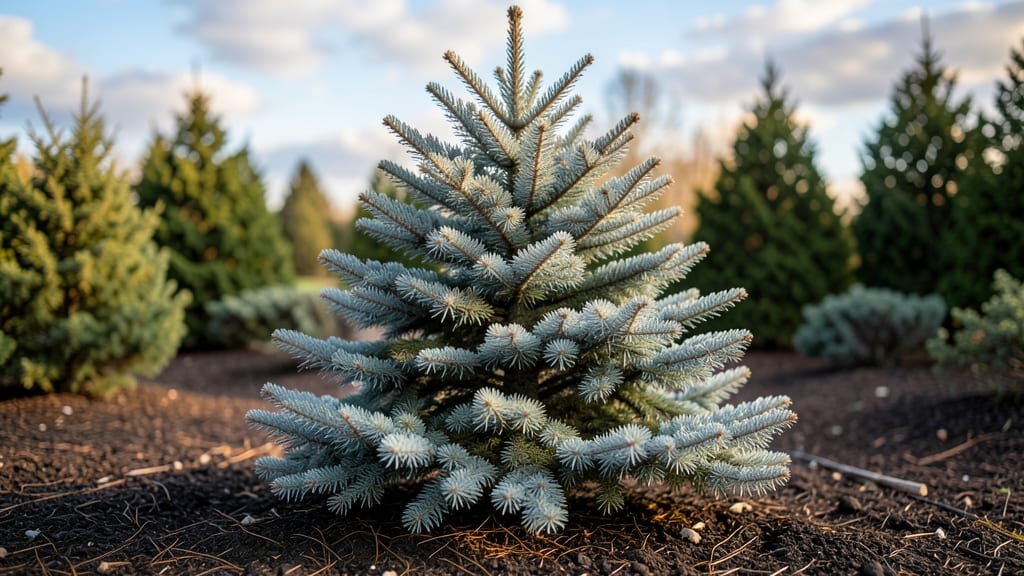
Planting a Christmas tree Colorado spruce means adding a year-round centerpiece to your landscape. 🌲 These trees thrive in Colorado’s high-altitude climate, their striking blue-green needles standing out against snowy winters and golden autumns.
Whether you’re growing one for its Christmas tree potential or as a bold landscape statement, the key is matching its needs to your site’s conditions.
The right spot makes all the difference—full sun and well-draining soil are non-negotiable. In Colorado’s dry climate, mulch helps retain moisture while protecting roots from temperature swings. Most nurseries sell 1-3 year old saplings, but larger trees establish faster and resist wind better.
Once planted, water deeply once a week for the first year, then taper off as roots spread.
Pruning isn’t just about shape—it’s about health. Remove dead branches in early spring, and thin out crowded growth to improve airflow. These trees naturally grow into broad, conical shapes, perfect for both holiday displays and year-round privacy screens.
With proper care, your Colorado Blue Spruce will reward you with vibrant blue foliage that stays lush even in harsh winters.
Common challenges? Watch for spider mites in dry spells and canker diseases in wet years. Colorado’s altitude means fewer pests, but consistent watering prevents stress. For maximum impact, plant near patios or entryways where its striking color will shine year-round.
Start small, but think big—this tree grows 12-24 inches annually and can reach 40-60 feet at maturity.
📚 In This Guide
- What you need
- Instructions
- Tips and common mistakes
- Wrapping up and next steps
What you need
- ● Colorado Blue Spruce (Picea pungens) seedlings or saplings: 1–3 plants (depending on spacing—aim for 6–10 feet apart for mature trees)
- ● Cold-hardy zones 2–8 (ensure your climate matches!)
- ● Well-draining soil: Mix of garden soil, compost, and sand (or use pre-mixed evergreen soil)
- ● Mulch: 2–3 inches of pine straw, wood chips, or shredded bark (retains moisture and regulates temperature)
- ● Fertilizer: Slow-release evergreen-specific fertilizer (e.g., 10-10-10 or acid-loving plant formula)
- ● Watering can or hose with a gentle spray nozzle
- ○ Stakes (optional but helpful for young saplings): 3–4 wooden or metal stakes + soft ties
- ● Garden gloves (to protect hands from sap and rough bark)
- ● Trowel or shovel (for planting and soil prep)
- ● Pruning shears or loppers (sharp, sterilized tools for trimming)
- ● Measuring tape (to track growth and spacing)
- ● Soil pH test kit (ideal range: 5.0–6.0 for spruces)
- ● Tree guard or protective wrap (for young trees in harsh winters)
- ● Drip irrigation system (for consistent moisture in dry climates)
- ● Evergreen-specific fungicide (prevents needle blight or rust)
- ● Decorative stakes or labels (for tracking varieties or pruning notes)
- ● Pest control (neem oil or horticultural soap) (for aphids or spider mites)
Step-by-step guide to planting and caring for Colorado Blue spruce trees
Here's how to grow these majestic evergreens—perfect for year-round beauty and Colorado's unforgiving climate.
🌱 Step 1: Select the Perfect Planting Site
Choose a location with full sun exposure (6-8 hours daily) and well-draining soil. Colorado Blue Spruce thrives in USDA Zones 2-7, making it ideal for Colorado's high elevations. Avoid low-lying areas where cold air pools—these trees hate soggy roots.
Test your soil by digging a 12-inch hole. If water pools after 30 minutes, amend with 1-2 inches of compost and a handful of coarse sand to improve drainage. The best sites offer protection from harsh winter winds while still allowing plenty of airflow to prevent fungal issues.
🪴 Step 2: Prepare the Hole and Plant Properly
Dig a hole twice as wide as the root ball but no deeper. This encourages root spread rather than settling. Gently remove the tree from its container and loosen any circling roots with your fingers—this prevents girdling as the tree matures.
Position the tree so the top of the root ball sits 1-2 inches above ground level. Backfill with native soil, tamping lightly every 4 inches to eliminate air pockets. Water deeply to settle the soil, then create a 2-inch deep watering basin around the base to direct future irrigation.
☀️ Step 3: Water and Mulch for First-Year Establishment
Water newly planted Colorado Blue Spruce 2-3 times per week for the first month, then taper to once weekly once established. These trees develop deep taproots, so deep watering (1-2 inches per session) is better than frequent light watering.
Apply 2-3 inches of organic mulch (pine needles or shredded bark) around the base, keeping it 6 inches away from the trunk to prevent rot. Mulch conserves moisture and regulates soil temperature—critical for Colorado's temperature swings. Replenish mulch annually in early spring.
✂️ Step 4: Prune for Shape and Health Year-Round
Prune in late winter or early spring before new growth begins. Remove only dead, diseased, or crossing branches—never prune for shape in the first 3-5 years. Use clean, sharp pruners to make cuts just outside the branch collar to prevent tearing.
Watch for spider mites or bagworms, common pests in Colorado. Treat infestations early with horticultural oil or insecticidal soap. Healthy Colorado Blue Spruce should have vibrant blue-green needles that stay attached when gently pulled—dropping needles signals stress.
⏰ Step 5: Long-Term Care for Mature Trees
Mature trees need minimal care but benefit from a balanced fertilizer in early spring (10-10-10 ratio). Apply according to package instructions, focusing on the root zone. These trees are drought-tolerant once established but perform best with 1 inch of water monthly during dry spells.
Inspect for canker disease or needle cast annually. Remove infected branches immediately and sterilize pruners with rubbing alcohol. Colorado Blue Spruce can live for centuries with proper care—their striking blue foliage makes them a showstopper in any landscape.
Tips & tricks for perfect Colorado Blue spruce planting
Here's what I've learned after helping clients grow thriving Colorado Blue Spruces in Colorado's challenging climate.
Site Selection Wisdom: When evaluating potential sites, pay special attention to the 6-8 hours of daily sun requirement. South-facing slopes get the most consistent sunlight, while north-facing areas may struggle—especially in Colorado's shorter winter days. I always check for at least 6 hours of direct sun during the shortest day of winter (around December 21st) to ensure year-round growth.
Root Ball Preparation: The key to preventing girdling is thoroughly loosening all circling roots before planting. I use a small garden fork to gently pry between roots while keeping the root ball intact. For container-grown trees, soak the root ball in water for 30 minutes before planting to reduce transplant shock. This hydration helps the tree establish itself faster in Colorado's dry air.
Mulching Strategy: That 2-3 inches of organic mulch isn't just for looks—it's your tree's insulation system. In Colorado's extreme temperature swings, mulch protects roots from both winter freeze and summer heat. I always use pine needles or cedar chips because they naturally acidify the soil slightly, which Colorado Blue Spruces prefer. Just remember to keep it 6 inches away from the trunk to prevent moisture buildup that could cause rot.
Watering Technique: The 2-3 times per week for the first month rule works best when you water deeply—aim for 1-2 inches of water per session. I use a rain gauge or tuna can to measure water depth accurately. In Colorado's thin mountain air, trees need more frequent watering than you might expect, even after establishment. Consider installing a drip irrigation system for consistent moisture delivery during dry spells.
Pro Tips for Christmas Tree Colorado Spruce
- Here's what I've learned after helping clients grow thriving Colorado Blue Spruces in Colorado's challenging climate.
- Site Selection Wisdom: When evaluating potential sites, pay special attention to the 6-8 hours of daily sun requirement.
- Root Ball Preparation: The key to preventing girdling is thoroughly loosening all circling roots before planting.
Frequently asked questions
Got questions about growing a Christmas Tree Colorado spruce? You’re not alone! Here are some of the most common queries—and their answers—to help you nurture a stunning, long-lived evergreen.
How fast does a Colorado spruce grow, and how big will it get?
A mature Picea pungens (Colorado blue spruce) grows 12–24 inches per year under ideal conditions, reaching 40–60 feet tall and 10–20 feet wide at full maturity. With proper spacing (at least 15–20 feet apart), it thrives for decades—perfect for a legacy tree!
Is a Colorado spruce cold-hardy enough for my zone?
This spruce is a Zone 2–7 powerhouse, handling winters as frigid as -50°F. If you’re in colder climates (like the Rockies or northern U.S.), it’s a dream—just ensure well-draining soil to prevent root rot. In warmer zones (Zone 8+), plant it in partial shade to avoid stress.
When (and how) should I prune my Colorado spruce?
Prune in late winter or early spring (before new growth starts) to shape it or remove dead branches. Use clean, sharp shears and cut just above a healthy bud or branch collar. Avoid heavy pruning—this spruce has a natural, elegant shape! For young trees, focus on removing lower branches to create a clear trunk.
Why are my Colorado spruce needles turning brown?
Brown needles usually signal overwatering, drought, or pest issues. Check soil moisture—spruces hate soggy roots but also drought stress. Spider mites or bagworms can also cause browning. Treat with neem oil or insecticidal soap if pests are present. Mulch properly (3–4 inches, keeping it away from the trunk) to retain moisture.
Can I use a Colorado spruce as a Christmas tree, or is it better left in the ground?
Yes! This spruce is a classic Christmas tree thanks to its dense, fragrant needles and striking blue-green hue. However, it’s best harvested young (10–15 years old) for easier handling. If you love its year-round beauty, keep it planted—just water deeply in winter to prevent needle drop. Pro tip: Don’t cut too early! Harvest when 70% of needles are mature (usually late November–December).
Wrapping up and next steps
Ready to grow your own stunning Christmas Tree Colorado Spruce? This cold-hardy giant isn’t just a holiday centerpiece—it’s a year-round investment in beauty and resilience. With the right care, your spruce will thrive for decades, offering evergreen charm and a perfect backdrop for seasonal celebrations.
Now that you’re equipped with the materials and answers to common questions, take the next step: sketch a planting plan, gather your tools, and get those roots in the ground! 🌲✨ Whether you’re a first-time gardener or a seasoned green thumb, this spruce will reward your effort with breathtaking results.