
Pruning
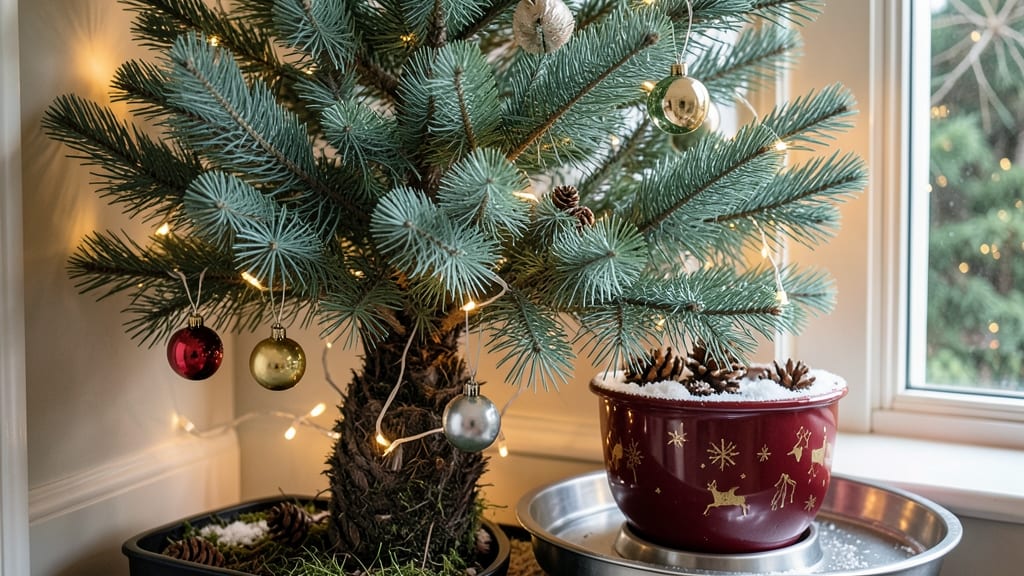
A Christmas tree in a flower pot brings holiday cheer without the yard space. ✨ I’ve turned my patio into a winter wonderland by potting Norfolk Island pines, dwarf Alberta spruces, and even mini firs—each one a year-round centerpiece that doubles as a living holiday decoration.
The key is choosing slow-growing evergreens that handle container life well. A 15-gallon pot with drainage holes keeps roots happy, and a 3-inch layer of gravel at the bottom prevents soggy soil. Add a mix of potting soil and slow-release fertilizer for that lush, dark-green look all season.
Style it like a miniature Christmas tree with battery-powered fairy lights or tiny ornaments. My favorite look? A white-painted pot with silver pinecones and a single red bow. The best part? These trees keep their needles year-round, so they’re always ready for holiday photos.
Works for patios, doorsteps, or even office decor. Just remember: water deeply once a week in winter and trim lightly to maintain shape. No more hauling out a real tree—just evergreen charm that stays put.
📚 In This Guide
- What you need
- Instructions
- Tips and common mistakes
- Wrapping up and next steps
What you need
- ● Potted Christmas tree: 1 small-to-medium-sized Norfolk Island pine, Dwarf Alberta spruce, or Miniature Fraser fir (3–6 ft tall, depending on pot size).
- ● Pot: A decorative, weather-resistant container (12–18" diameter) with drainage holes. Terracotta, ceramic, or fiberglass pots work best!
- ● Potting mix: 1 bag (5–10 gallons) of well-draining, acidic soil (pH 4.5–6.0). Mix equal parts: Peat moss or coconut coir
- ● Perlite or pumice
- ● Pine bark fines
- ● Pruning tools: 1 pair of sharp, bypass pruners (for trimming branches).
- ● 1 small hand saw (for thicker branches, if needed).
- ● Fertilizer: 1 bottle of slow-release, acidic fertilizer (e.g., 10-10-10 or pine-specific formula).
- ● Mulch: 1 bag of pine bark mulch (to retain moisture and acidity).
- ● Decorative ornaments, lights, or ribbons (for year-round styling!).
- ● 1 spray bottle (for misting leaves in dry climates).
- ● 1 tree stand or support stake (if your tree is top-heavy).
- ● 1 soil moisture meter (to track hydration easily).
- ● 1 humidity tray (for indoor pots in dry air).
Step-by-Step guide to growing a Christmas tree in a flower pot
Transform your patio or porch into a festive winter wonderland with this compact, year-round holiday centerpiece.
🌱 Step 1: Select the Right Tree and Pot
Choose a dwarf or miniature conifer variety like the Norway Spruce 'Little Gem' or Blue Rug Juniper, both perfect for containers. These stay under 3-4 feet tall and thrive in 12-15 inch diameter pots with drainage holes. I always opt for a pot with a built-in saucer to catch runoff and prevent root rot.
Fill the pot with well-draining potting mix—never garden soil. Mix equal parts peat moss, perlite, and pine bark fines to create an airy medium that mimics the tree's natural forest floor. The goal is a mix that holds moisture but drains freely, preventing soggy roots that lead to needle drop.
🪴 Step 2: Plant and Stake for Stability
Dig a hole twice as wide as the tree's root ball but no deeper. Gently remove the tree from its nursery container and tease the roots outward if they're circling. Place the tree in the pot so the root flare sits just above the soil line—burying too deep suffocates the trunk and causes rot.
Pack the remaining soil around the roots, pressing lightly to eliminate air pockets. Insert 2-3 bamboo stakes around the tree and secure it with soft garden twine. This prevents toppling when winds pick up, especially during winter storms. Water thoroughly until water runs freely from the drainage holes.
☀️ Step 3: Position for Winter Survival and Year-Round Health
Place your potted tree in a spot that gets full sun to partial shade—at least 4-6 hours of morning sun prevents needle browning. During winter, move it to a sheltered location like a covered porch or against a north-facing wall. I always check the forecast and bring it indoors if freezing temps are forecasted for more than 24 hours.
Mulch the soil surface with 2-3 inches of pine straw to retain moisture and insulate roots. Avoid heavy mulch like wood chips, which can compact and suffocate roots. Water deeply every 10-14 days in winter, reducing to every 3-4 weeks during summer dormancy.
✂️ Step 4: Prune and Maintain for Festive Shape
Prune in late winter or early spring to shape the tree and encourage dense growth. Use clean, sharp pruners to trim back any leggy branches or those growing inward. I never remove more than 20% of the tree's foliage in one season—this keeps it lush and prevents stress. Fertilize lightly in spring with a slow-release, acid-loving plant fertilizer to mimic natural forest conditions.
Check the pot annually for root-bound conditions. If roots circle the bottom or grow through drainage holes, repot into a container 2-3 inches wider in early spring. This refreshes the soil and gives roots room to expand. A lightly root-bound tree actually blooms with new growth after repotting—it's a sign you've done it right.
🎄 Step 5: Decorate and Rotate for Year-Round Appeal
Skip the plastic ornaments—opt for natural decorations like pinecones, dried orange slices, or cinnamon sticks. These add holiday charm without weighing down branches. I also tie a red ribbon or burlap around the pot for a rustic touch. Rotate the pot a quarter turn weekly so the tree grows evenly and doesn't lean toward the light.
In summer, let the tree enjoy a "vacation" outdoors if your climate is mild. Bring it back indoors 2 weeks before the first frost to acclimate. This gradual transition prevents shock. With proper care, your potted Christmas tree will stay vibrant for decades, becoming a cherished holiday tradition.
Tips & tricks for perfect Christmas tree in flower pot
These insider strategies will help you cultivate a thriving, festive centerpiece that brings holiday joy year after year.
Selection Tip: When choosing your dwarf conifer, look for trees with a dense, symmetrical shape at the nursery. The Norway Spruce 'Little Gem' develops a classic Christmas tree silhouette, while Blue Rug Juniper offers striking color contrast. Avoid trees with brown needles or sparse growth—these signs indicate poor health that will only worsen in container culture. I always inspect the root ball for tight circling roots, which need immediate teasing to prevent future stress.
Planting Technique: The root flare positioning in Step 2 is absolutely critical—this is where the roots transition from trunk to soil. When planting, use your finger to create a shallow dimple in the soil where the flare will sit. This prevents suffocation from buried trunk tissue. After staking, give the pot a gentle shake to check stability—if it wobbles, add more soil or adjust stake placement. The goal is wind resistance without restricting root growth.
Winter Survival Strategy: Your 24-hour indoor rule during freezing temps is spot-on, but here's the secret: move the tree indoors gradually over 3-4 days before the forecasted freeze. Place it in a cool garage or basement for 24 hours first, then bring it inside. This acclimation prevents shock from sudden temperature swings. In winter, position your tree near an east-facing window to maximize those crucial 4-6 hours of morning sun—this light intensity prevents needle browning without overheating the foliage.
Pruning Wisdom: The 20% foliage limit in Step 4 is a great guideline, but here's what I've learned: always prune just outside the branch collar where it meets the trunk. Using clean pruners prevents tearing that invites disease. For shaping, remove branches from the bottom up—this opens the tree's center for better air circulation and light penetration. After pruning, give the tree a light misting to reduce stress, especially if you're doing heavier shaping.
Pro Tips for Christmas Tree In Flower Pot
- These insider strategies will help you cultivate a thriving, festive centerpiece that brings holiday joy year after y...
- Selection Tip: When choosing your dwarf conifer, look for trees with a dense, symmetrical shape at the nursery. The N...
- Planting Technique: The root flare positioning in Step 2 is absolutely critical—this is where the roots transition fr...
Frequently asked questions
Got questions about keeping your Christmas tree in a flower pot alive and thriving? You’re not alone! Here are some of the most common queries—and their practical solutions—to help you enjoy your festive green friend year-round.
Can I keep a Christmas tree in a flower pot long-term?
With the right care, dwarf or potted Christmas trees (like Norfolk Island pines or Dwarf Alberta spruces) can thrive in containers for years. Just ensure the pot has drainage holes, use well-draining soil, and repot every 2–3 years to refresh nutrients. Pro tip: Prune lightly in spring to encourage bushier growth!
When is the best time to plant a Christmas tree in a pot?
The ideal time is early spring (March–April) or early fall (September–October). Avoid planting during extreme heat or cold, as roots need time to establish. If you’re repotting an existing tree, do it in spring before new growth begins for minimal stress.
How often should I water a potted Christmas tree?
Water when the top 1–2 inches of soil feel dry—usually once a week in summer or every 10–14 days in winter. Overwatering is the #1 killer! Use a pot with drainage holes and avoid letting the tree sit in standing water. Brown needles? Often a sign of underwatering or drought stress.
What are some creative alternatives to a traditional Christmas tree in a pot?
If you’re craving festive greenery but want low-maintenance options, try:
- Miniature conifers (like Mugo pines or Dwarf Blue Spruces)
- Ornamental grasses (e.g., Pennisetum in festive colors)
- Potted ferns or ivy for lush, evergreen vibes
- Decorative topiaries shaped like trees (no needles required!)
Why are the needles falling off my potted Christmas tree?
Needle drop is usually caused by:
- Stress (sudden temperature changes, drafts, or transplant shock)
- Underwatering or overwatering (check soil moisture)
- Pests (like spider mites or aphids—inspect needles closely)
- Poor drainage (root rot can kill trees quickly)
Wrapping up and next steps
Transforming your Christmas tree in a flower pot into a year-round centerpiece is simpler—and more rewarding—than you think! Whether you’re pruning for shape, reviving a dormant tree, or preparing for next season, these tips ensure your mini holiday charm stays vibrant and healthy. 🌲✨
Now that you’re armed with the how-tos and FAQs, it’s time to roll up your sleeves!
Grab your pruners, pick a sunny spot, and let your creativity shine. Ready to make this holiday magic last all year? Start small—plant that pot, trim with care, and watch your festive touch grow!