
Pruning
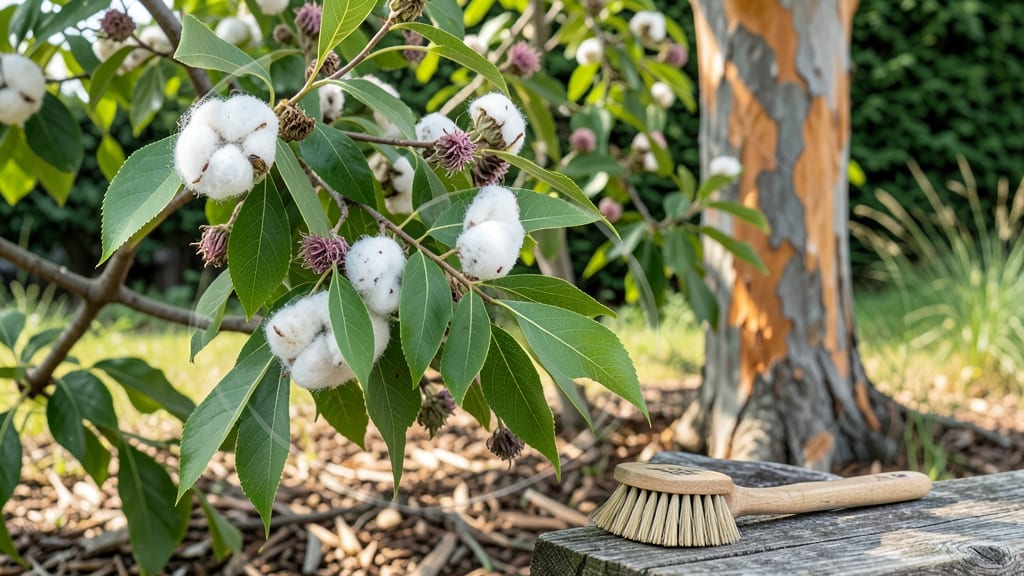
Crepe myrtle trees shouldn’t look like they’ve been through a sugar rush—yet sticky leaves and curled foliage scream "tree lice" (aka scales or mealybugs). 🌿 I’ve wrestled with these sap-suckers on my own crepe myrtle, and I’ll show you how to kick them out for good without harsh chemicals.
The first sign? A shiny, sticky residue on leaves (honeydew) that attracts ants and sooty mold. These pests hide under leaves or in bark crevices, leaving behind yellowing, crinkled foliage. The good news?
They’re easy to spot once you know what to look for—and even easier to evict with the right tools. With a few sprays of neem oil or insecticidal soap (applied when leaves are dry), you’ll see new growth within weeks.
I’ve restored my tree’s glossy leaves using this method, and your neighbors will think you’ve got a magic touch. The secret? Consistency and checking the undersides of leaves regularly. This works for all crepe myrtles, whether they’re young saplings or mature shade trees.
Let’s get those leaves back to their healthy, vibrant selves—naturally.
Root Causes Of Sap-Sucking Pests
Crepe myrtle trees, with their stunning blooms and glossy foliage, can quickly become a buffet for sap-sucking pests like crepe myrtle woolly aphids (often mistaken for "lice") or scale insects. Understanding why these critters invade your tree is the first step to reclaiming its health.
Below, we break down the science-backed reasons these pests target your crepe myrtle—and how to address them at the source.
When crepe myrtles are stressed, they produce more sap—a sticky, sugary meal that attracts pests like a neon sign. Common stressors include:
- Poor drainage: Compacted or waterlogged soil weakens roots, forcing the tree to work harder to absorb nutrients. Result? Excess sap production to compensate.
- Improper pruning: Over-pruning or cutting at the wrong time (late fall/winter) creates wounds that ooze sap, signaling pests to feast. Pro tip: Prune in late winter or early spring (before new growth) to minimize stress.
- Nutrient deficiencies: Lack of nitrogen, phosphorus, or micronutrients (like zinc or iron) weakens the tree’s defenses. Test your soil—a simple kit can reveal imbalances.
- Drought or overwatering: Both extremes disrupt the tree’s natural rhythms. Crepe myrtles thrive in well-draining soil—water deeply but infrequently (1–2 inches per week, except in drought).
💡 Actionable fix: Amend soil with compost, mulch 2–3 inches away from the trunk (not touching it), and fertilize in early spring with a balanced 10-10-10 or slow-release formula.
Pests don’t just randomly choose your tree—they’re drawn by specific cues:
- Sap-rich varieties: Some crepe myrtle cultivars (like Lagerstroemia indica) produce more sap than others, making them prime targets. Hybrids like ‘Natchez’ or ‘Tonto’ are slightly more resistant.
- Existing infestations: Pests like woolly aphids release pheromones that attract more pests. A single infestation can spiral into a full-blown outbreak in weeks.
- Beneficial insect decline: Ladybugs, lacewings, and parasitic wasps (natural predators) may be absent due to pesticide use or habitat loss. 🌿 Tip: Plant neighboring pollinator-friendly plants (like dill or yarrow) to lure these helpers back.
- Urban heat islands: Cities with higher temperatures accelerate pest reproduction cycles. If your tree is in a paved or concrete-heavy area, its stress levels (and sap production) rise.
🔥 Prevention hack: Install yellow sticky traps near the tree in early spring to monitor pest activity before it explodes.
Pests have peak seasons, and crepe myrtles are most vulnerable during:
| Season | Why Pests Strike | What’s Happening to the Tree |
|---|---|---|
| 🌸 Spring | Warmer temps trigger aphid/scale eggs to hatch. New growth is soft and nutrient-dense—a pest’s dream. | Rapid leaf expansion = more surface area for pests to colonize. |
| ☀️ Summer | Drought stress increases sap flow. Some pests (like mealybugs) thrive in hot, dry conditions. | Stomata (leaf pores) close to conserve water, but this traps pests inside the foliage. |
| 🍂 Fall | Migratory pests (like certain scale species) seek shelter in bark crevices before winter. | Declining chlorophyll makes leaves less toxic to pests. |
✨ Seasonal strategy:
- Spring: Apply neem oil or insecticidal soap before buds swell.
- Summer: Deep-water every 10–14 days to reduce stress.
- Fall: Prune dead branches (pests hide in them) and rake up fallen leaves.
By addressing these root causes—stress, attraction factors, and seasonal patterns—you’re not just treating symptoms; you’re starving the problem at its source. Next, we’ll dive into natural, chemical-free solutions to evict these uninvited guests for good.
Natural Fixes for Crepe Myrtle Leaf Damage
Now that you understand why those pesky crepe myrtle tree lice (or scale insects) are wreaking havoc on your tree, it’s time to take action! The good news?
You don’t need harsh chemicals to restore your tree’s glossy, healthy leaves. Below are practical, eco-friendly solutions tailored to the root cause—whether it’s infestation, stress, or poor care.
If your tree is heavily coated in sticky honeydew or crawling with tiny pests, act quickly with these high-impact fixes:
🍳 Step 1: Blast Off the Bugs with Soapy Water
A homemade insecticidal soap spray is your first line of defense. Mix:
- 1 tbsp mild liquid soap (like Castile soap)
- 1 quart warm water
- 1 tsp horticultural oil (optional, for extra stickiness)
How to apply:
- Shake well before spraying.
- Drench the tree—focus on leaves, branches, and bark crevices where pests hide.
- Repeat every 5–7 days for 2–3 weeks (lice have short lifespans, so consistency is key).
✨ Pro Tip: Spray early in the morning or late afternoon to avoid burning leaves in direct sunlight.
👨🍳 Step 2: Introduce Beneficial Predators
Nature’s cleanup crew can eat the problem away! Invite these lice-munching allies:
- Ladybugs (release 1,000+ per tree)
- Parasitic wasps (like Aphytis melinus)
- Lacewings (their larvae devour scale insects)
Where to get them:
- Buy from garden centers or online suppliers (e.g., Arbico Organics, Gardeners.com).
- Release them at dusk when they’re least active and more likely to stay.
💡 Prevention Hack: Plant neighboring flowers (like dill, fennel, or cosmos) to attract and keep predators hanging around long-term.
If your crepe myrtle is weakened by drought, poor soil, or over-pruning, lice will see it as an all-you-can-eat buffet. Strengthen it with:
🥗 Step 1: Deep Watering & Mulching
- Water deeply 1–2 times per week (check soil moisture—top inch should be dry before watering).
- Apply 2–3 inches of mulch (wood chips or pine straw) around the base (but keep it 6 inches away from the trunk).
🌱 Growth Tip: Use slow-release organic fertilizer (like compost or worm castings) in early spring to give roots a nutrient boost.
🔪 Step 2: Prune for Airflow & Light
Lice love shaded, crowded branches. Thin out:
- Dead or crossing branches (use sterilized pruners).
- Overly dense foliage to improve sunlight and airflow.
⏰ Timing Matters: Prune right after flowering (late summer) to avoid stressing the tree before winter.
Once your tree is lice-free and thriving, keep it that way with these long-term strategies:
| Problem | Prevention Fix | When to Do It |
|---|---|---|
| Honeydew buildup | Wipe leaves with a damp cloth monthly. | Spring & summer |
| Weakened tree | Fertilize in early spring with compost. | March–April |
| Overwatering | Check soil moisture before watering. | Weekly (adjust for rain) |
| Scale buildup | Neem oil spray (1 tsp/quart water) every 3 months. | Late summer & fall |
💡 Bonus Defense: Reflective mulch (like aluminum foil strips) around the base can deter pests by confusing their navigation skills.
Final Thought: Patience is key—some treatments take 4–6 weeks to fully eliminate lice. But with consistent care, your crepe myrtle will bounce back with glossier leaves and stronger growth than ever! 🌿✨
Frequently asked questions
What are crepe myrtle tree "lice" really called?
They’re not actual lice! These pests are usually woolly aphids, scale insects, or mealybugs—tiny sap-sucking insects that create sticky honeydew. The term "lice" comes from their appearance (tiny, clustered, and cottony), but they’re more closely related to aphids than true lice.
How do I know if my crepe myrtle has an infestation?
Look for these 3 key signs: sticky residue on leaves (honeydew), curled or yellowing foliage, and tiny white cottony clusters (woolly aphids) or brown bumps (scale). Check the undersides of leaves and bark crevices—pests love hiding there!
Can I use dish soap to kill these pests?
Yes, but use mild liquid soap (like Castile soap) mixed with water—1 tablespoon per quart. Avoid dish soap with degreasers, which can harm leaves. Spray thoroughly, focusing on leaf undersides, and repeat every 5–7 days for 2–3 weeks.
Will neem oil work on established infestations?
Neem oil is effective, but for severe cases, you’ll need to apply it every 7–10 days for 4–6 weeks. Mix 1 teaspoon neem oil with 1 quart water and 1 teaspoon mild soap as a spreader. Spray in the evening to avoid leaf burn.
Why do ants keep coming to my crepe myrtle?
Ants farm honeydew—those sticky drops left by sap-sucking pests! To break the cycle, treat the pests first (with neem oil or soapy water), then use borax bait stations or diatomaceous earth around the base to deter ants naturally.