
Flowers
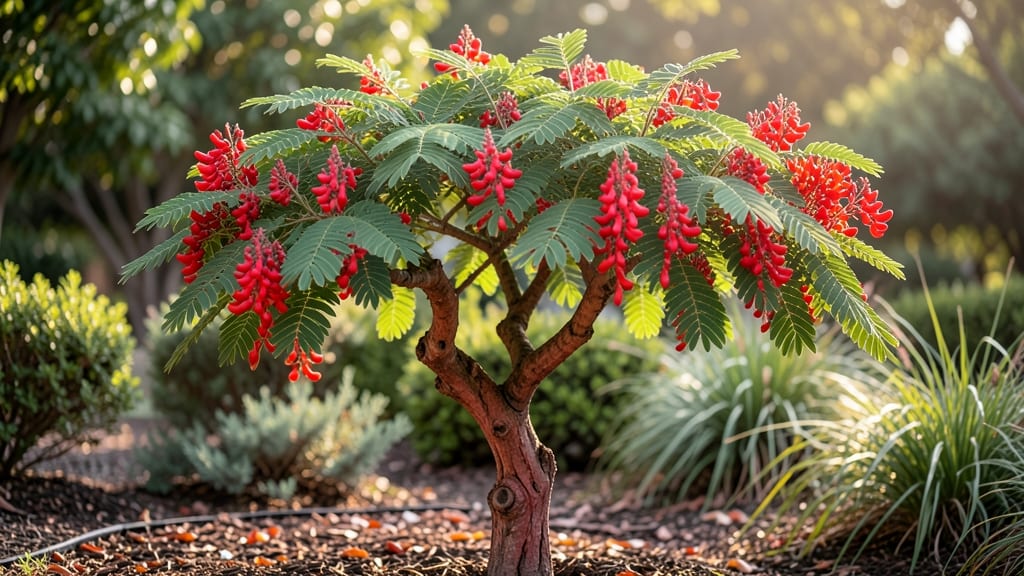
The fern-like tree with red flowers transforms any garden into a year-round masterpiece. 🌿 Coral Ardisia (Ardisia crenata) stands out with its delicate, fern-like leaves and clusters of tiny red berries that last from winter through spring, offering vibrant color when most plants are dormant.
This plant thrives in partial to full shade, making it perfect for understory plantings, woodland gardens, or as a striking container specimen. Its compact size (3–5 feet tall) and glossy foliage create texture, while the berries add a pop of color that birds and gardeners alike will love.
The best part? It’s low-maintenance—just keep the soil consistently moist and protect it from harsh winds.
Pair it with hostas, ferns, or shade-loving perennials like heucheras for a lush, layered look. In containers, combine it with calatheas or impatiens for a tropical vibe. The red berries also make it a standout in winter arrangements, adding seasonal interest when other plants fade.
Whether you’re designing a shade garden or adding drama to a patio, this tree delivers three seasons of beauty with minimal effort. The key is planting it where its natural grace can shine—no bright sun required, just a little care and a lot of admiration.
Natural Triggers For Blooms
The striking fern-like tree with red flowers (likely Cornus sericea or Cornus alba) thrives on a mix of environmental cues and biological processes that encourage its vibrant display. Understanding these triggers helps gardeners replicate—or even enhance—the conditions for stunning seasonal blooms. Here’s why these trees burst into color:
---
Some fern-like trees with red flowers are hardwired to bloom at specific times due to their genetic programming. For example: - Dormancy Breaking: Many Cornus species (like dogwood relatives) rely on cold stratification—a period of winter chill (30–40°F for 4–8 weeks) to trigger bud development.
Without sufficient cold, buds may fail to open, leaving you with sparse or no flowers. - Short-Day Plants: Some varieties are photoperiod-sensitive, meaning they bloom in response to shorter daylight hours (common in late spring/early summer).
If artificial lights or long summer days disrupt this cycle, flowering may be delayed or weakened. - Age Maturity: Young trees (under 3–5 years) often prioritize root and foliage growth over flowering. Patience is key—older, established trees produce the boldest displays.
Actionable Tip: 💡 If your tree isn’t blooming, check its age and location. A winter mulch layer (3–4 inches of shredded bark) can help simulate natural cold exposure for younger plants.
---
Red-flowering fern trees (e.g., Cornus sericea ‘Kelseyi’) need balanced sunlight to fuel their energy-hungry blooms: - Partial Sun Demand: Most thrive in 4–6 hours of direct sun daily, but too much scorching heat (especially in hot climates) can stress the plant, reducing flower production.
Think of it like a goldilocks zone—not too much, not too little. - Chlorophyll Competition: If the tree is overcrowded or shaded by taller plants, it diverts energy to leaf growth instead of flowers.
Prune nearby competitors to ensure unobstructed light access to the canopy. - Spring Sunlight Boost: Early spring sunlight (before leaves fully emerge) is critical for bud initiation. If your tree is in deep shade until May, it may miss this window.
Pro Tip: ✨ Test your tree’s sunlight with a DIY light meter (free apps like Sun Surveyor work). Aim for morning sun + afternoon shade in hot zones.
---
Water stress—whether too much or too little—can silence the red blooms of these trees: - Drought Triggers: While many Cornus species tolerate drought once established, prolonged dry spells during bud formation (late winter to early spring) can cause buds to abort.
Think of it like a drought alarm system: the tree conserves energy by dropping flowers. - Overwatering Risks: Poor drainage or soggy soil leads to root rot, which starves the tree of nutrients needed for flowering.
These trees prefer moist but well-drained soil—like a sponge that wrings out excess water. - Winter Moisture Needs: Even in dormancy, roots need consistent moisture to survive cold snaps. A dry winter can weaken the tree, reducing next year’s blooms.
Fix It: 🌡️ Use a moisture meter to check soil depth (aim for 60–70% moisture in the root zone during growing season). Mulch with wood chips to retain moisture without suffocating roots.
--- A lack of specific nutrients can starve the flowers before they even appear: - Phosphorus Deficiency: This macronutrient is the flowering fuel—low levels (seen in yellowing leaves) mean fewer blooms.
A soil test revealing low P (phosphorus) is a red flag (pun intended). - Potassium Shortages: Potassium helps regulate water and nutrient transport to the flowers. Without it, buds may form but fail to open.
Look for weak stems or brown leaf edges as clues. - Over-Fertilizing: Too much nitrogen (common in lawn fertilizers) leads to leafy growth at the expense of flowers. It’s like feeding a bodybuilder protein instead of carbs—all muscle, no performance.
Solution: 🎯 Use a balanced fertilizer (e.g., 10-10-10) in early spring, followed by a phosphorus-rich boost (like bone meal) when buds form. Avoid high-nitrogen feeds after mid-summer.
--- Hidden threats can steal your tree’s energy before it even thinks about blooming: - Scale Insects & Aphids: These sap-suckers weaken the tree by clogging pores and spreading sooty mold.
A heavy infestation in spring can delay or prevent flowering. - Powdery Mildew: Fungal infections (visible as white powder on leaves) block sunlight absorption, reducing the tree’s ability to produce flowers.
Humid summers are prime breeding grounds. - Root Rot: Caused by overwatering or poor drainage, this silent killer rots roots, cutting off nutrient flow to the canopy. By the time you see wilted leaves, it’s often too late.
Prevent It: 🔥 Spray neem oil in early spring to deter pests, and prune for airflow to reduce mildew. If you suspect root rot, amend soil with perlite and avoid watering until the top 2 inches of soil dry out.
--- Your local weather—and even your yard’s microclimate—plays a huge role in flowering: - Late Frosts: A hard freeze after buds swell can kill emerging flowers.
Choose frost-tolerant varieties (like Cornus sericea) or mulch heavily in late winter for protection. - Heat Waves: Temperatures above 90°F during bud formation can shock the tree, causing buds to drop.
Provide afternoon shade with a lightweight shade cloth if needed. - Wind Exposure: Strong winds desiccate buds and leaves, diverting energy away from flowering. Plant near a windbreak (like a fence or hedge) to shield the tree.
Hack It: 🌿 Use a weather station app to track your microclimate. If your yard is too exposed, group the tree with other plants to create a natural windbreak.
Revive Your Fern-Like Red-Blooming Tree
---
If your fern-like tree with vibrant red flowers (likely a Coral Ardisia or Pieris japonica) is struggling, don’t panic! With the right care, you can bring it back to its lush, blooming glory.
Below are targeted solutions for common issues, from yellowing leaves to lack of flowers, plus prevention tips to keep it thriving year-round.
---
Yellowing leaves usually signal overwatering, underwatering, or nutrient deficiencies. Here’s how to diagnose and fix it:
#### 💧 Cause: Overwatering
Soggy soil cuts off oxygen to roots, leading to root rot and yellow leaves.
- Fix: Let the top 1–2 inches of soil dry out between waterings. Use a moisture meter or stick your finger in the soil to check.
- Fix: If roots are mushy or black, trim the affected parts with sterilized pruners and repot in fresh, well-draining soil.
- Fix: Ensure the pot has drainage holes. If not, transfer to one with holes or add a layer of gravel at the bottom.
#### 🌞 Cause: Underwatering
Crispy, brown edges on leaves mean the tree isn’t getting enough water.
- Fix: Water deeply until it drains from the bottom. Aim for 1–1.5 inches of water per week (adjust for climate).
- Fix: Mulch around the base to retain moisture. Use organic mulch like pine bark or shredded leaves.
- Fix: Move the tree to a shadier spot if it’s in full sun, especially in hot afternoons.
#### 🌱 Cause: Nutrient Deficiency (Iron or Nitrogen)
Pale yellow leaves (especially on younger growth) often mean iron deficiency, while overall yellowing may indicate nitrogen lack.
- Fix: Apply an iron supplement (like iron chelate) to the soil or use Epsom salt (1 tbsp per gallon of water, sprayed on leaves).
- Fix: Fertilize with a balanced, slow-release fertilizer (10-10-10 or 20-20-20) in early spring.
- Fix: Add compost or worm castings to the soil for organic nutrients.
#### 💡 Prevention Tips
- ✅ Water consistently—don’t let soil dry out completely or stay soggy.
- ✅ Test soil pH (ideal: 5.0–6.5 for most fern-like trees). Use sulfur to lower pH if needed.
- ✅ Avoid heavy clay soil—amend with peat moss or perlite for better drainage.
---
If your tree isn’t producing its signature red flowers, it may need adjustments in light, pruning, or fertilization.
#### 🌅 Cause: Insufficient Light
Fern-like trees (like Pieris japonica) need partial shade to full sun to bloom well.
- Fix: Move the tree to a spot with morning sun + afternoon shade.
- Fix: If indoors, place it near a south- or east-facing window.
- Fix: Use a grow light for 12–14 hours/day if natural light is limited.
#### ✂️ Cause: Poor Pruning Habits
Over-pruning or cutting at the wrong time can reduce flowering.
- Fix: Prune right after blooming (late spring/early summer) to encourage new growth.
- Fix: Remove dead or crossing branches to improve airflow and energy focus.
- Fix: Avoid heavy pruning in fall or winter—this is when the tree sets flower buds.
#### 🌿 Cause: Lack of Fertilizer
Flowering requires phosphorus and potassium, which may be missing.
- Fix: Use a high-phosphorus fertilizer (like 5-10-5) in early spring.
- Fix: Add bone meal (1–2 tbsp per plant) to the soil for a phosphorus boost.
- Fix: Feed every 4–6 weeks during growing season (spring–fall).
#### 💡 Prevention Tips
- ✅ Plant in well-draining, acidic soil (mix in pine needles or oak leaves for natural acidity).
- ✅ Avoid moving the tree frequently—stress reduces flowering.
- ✅ Mulch annually with compost or leaf mold to retain nutrients.
---
Spider mites, aphids, or fungal diseases can stress your tree and stunt growth.
#### 🕷️ Cause: Spider Mites or Aphids
Look for tiny webs, yellow stippling, or sticky residue on leaves.
- Fix: Spray with soapy water (1 tsp mild soap + 1 quart water) and repeat every 3–5 days.
- Fix: Use neem oil (1 tbsp per gallon of water) as a natural pesticide.
- Fix: Introduce beneficial insects like ladybugs or lacewings.
#### 🍄 Cause: Fungal Diseases (Powdery Mildew, Root Rot)
White powder on leaves or mushy stems indicate fungal issues.
- Fix: Prune infected leaves and dispose of them (don’t compost).
- Fix: Apply baking soda spray (1 tsp baking soda + 1 quart water + a drop of soap).
- Fix: Improve airflow by spacing plants apart and avoiding overhead watering.
#### 💡 Prevention Tips
- ✅ Inspect leaves weekly for early signs of pests.
- ✅ Avoid wetting foliage when watering—water at the base instead.
- ✅ Space plants 3–5 feet apart to reduce humidity-related diseases.
---
With these fixes, your fern-like tree with red flowers should bounce back stronger than ever! 🌟 Whether it’s Coral Ardisia, Pieris, or another variety, the key is consistent care, proper pruning,
Frequently asked questions
What are the most popular fern-like trees with red flowers for gardens?
The top choices include Coral Ardisia (Ardisia crenata), known for its glossy leaves and winter-to-spring red berries, and Pieris japonica (Andromeda), which features delicate white flowers that turn pink before fading. Fatsia japonica 'Variegata' also offers striking foliage, though its flowers are less vibrant. All thrive in partial shade.
Can these trees grow indoors, or are they strictly outdoor plants?
Most fern-like red-flowering trees prefer outdoor conditions, but Coral Ardisia and Pieris japonica can thrive indoors near bright, indirect light (like east-facing windows). Use well-draining pots and maintain 60-70% humidity—a pebble tray with water helps mimic their natural environment. Avoid drafts or direct heat sources.
How do I encourage more red flowers on my fern-like tree?
Focus on balanced sunlight (4-6 hours/day), acidic soil (pH 5.0-6.5), and phosphorus-rich fertilizer (like bone meal) in early spring. Prune lightly after flowering to avoid stressing the plant. If indoors, supplement with a grow light for 12-14 hours/day to mimic natural light cycles.
Are these trees toxic to pets or children?
Most fern-like red-flowering trees are non-toxic, but Pieris japonica contains grayanotoxins that can cause mild stomach upset if ingested in large quantities. Coral Ardisia berries are also mildly toxic—keep them out of reach of pets and curious kids. Always wash hands after handling plants.
What’s the best way to propagate these trees at home?
Use stem cuttings in late spring or early summer. Take 4-6 inch sections with 2-3 leaf nodes, dip in rooting hormone, and plant in a mix of peat moss and perlite. Keep the soil moist and maintain 70°F temperatures with bright, indirect light. Roots typically form in 4-6 weeks.