
Pruning
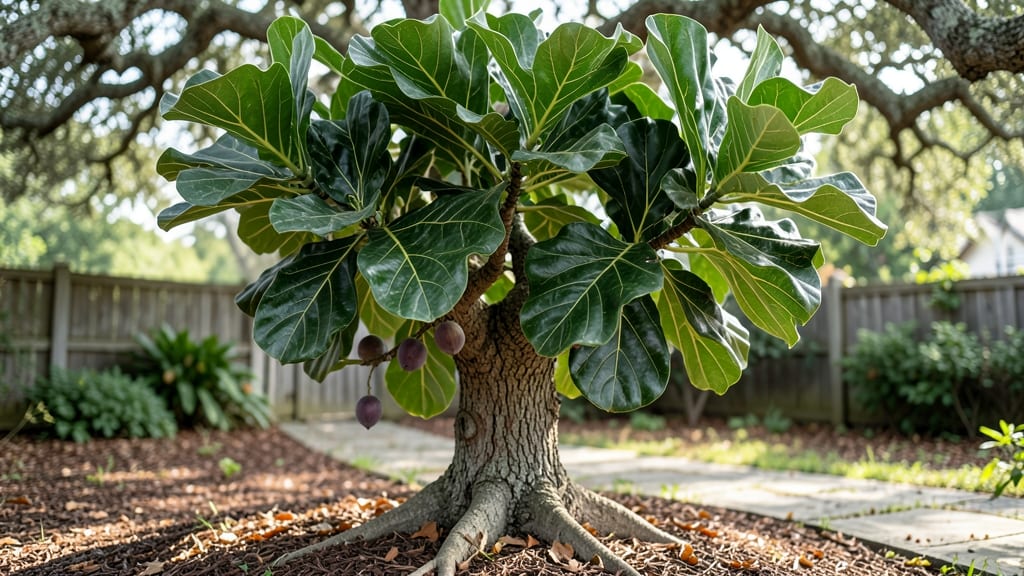
Growing a Ficus lyrata tree outdoors transforms your patio into a tropical oasis with its bold, violin-shaped leaves. 🌿 I’ve learned the hard way that fiddle-leaf figs thrive outside only when you mimic their native forest floor—bright, indirect light, consistent moisture, and protection from harsh winds.
The key isn’t just placing it outside; it’s preparing the plant and environment for the shift. Start with a well-draining potting mix (equal parts peat, perlite, and garden soil) and a container with drainage holes—even if you’re planting in-ground, amend the soil to prevent root rot.
Water deeply when the top 2 inches of soil dry out, but never let it sit soggy. Prune in late winter to shape the tree and encourage bushier growth, always cutting just above a leaf node.
By summer, you’ll see glossy new leaves emerging, and the plant will handle outdoor humidity better than ever. The trick is gradual acclimation: move it outside for 2-3 hours the first week, then extend the time.
Watch for pests like spider mites (they love dry air) and treat with neem oil if needed. Winter is the real test—bring potted fiddle-leaf figs indoors before temperatures drop below 50°F, or wrap the pot in burlap for extra insulation.
With these adjustments, your outdoor Ficus lyrata will stay lush year-round, stealing the show in any garden.
📚 In This Guide
- What you need
- Instructions
- Tips and common mistakes
- Wrapping up and next steps
What you need
- ● Ficus lyrata tree: A healthy, outdoor-ready specimen (ensure it’s acclimated to outdoor conditions if previously indoor).
- ● Pruning shears: Sharp, sterilized bypass pruners (avoid dull tools—they crush stems!).
- ● Gloves: Heavy-duty gardening gloves (to protect from sap and thorns).
- ● Pot or planting area: For potted plants: A container 2–4 inches larger in diameter than the root ball, with drainage holes.
- ● For in-ground planting: A hole twice as wide as the root ball and equally deep.
- ○ Well-draining potting mix: A blend of peat moss, perlite, and compost (or a high-quality ficus-friendly mix). Optional: Add orchid bark for aeration.
- ● Mulch: Organic mulch (e.g., shredded bark) to retain moisture and regulate soil temp.
- ● Watering can or hose: With a gentle spray nozzle for post-pruning hydration.
- ● Hose or bucket: For rinsing tools and cleaning up sap.
- ● Root stimulator: A liquid or powder to encourage root growth after repotting.
- ● Slow-release fertilizer: Balanced (e.g., 10-10-10) for a post-pruning nutrient boost.
- ● Support stake: If your tree is top-heavy or leggy (bamboo or metal works best).
- ● Sap cleaner: Rubbing alcohol (70%+) to disinfect tools between cuts.
- ● Plant food or tea: Compost tea or worm castings for a natural nutrient kick.
- ● Shade cloth: Temporary coverage if transitioning from indoor to full sun.
Step-by-step guide for growing Ficus lyrata trees outdoors
Here's how to cultivate a thriving fiddle-leaf fig outside with minimal fuss.
☀️ Step 1: Choose the Perfect Outdoor Spot
Ficus lyrata thrives in bright, indirect sunlight—think dappled shade under a tree canopy or a location that gets morning sun and afternoon shade. Direct afternoon sun can scorch those gorgeous leaves, so avoid south-facing walls or open patios. I always test a spot for a week first by placing a similar-sized plant there to see how it reacts.
Your tree needs 6-8 hours of filtered light daily for best growth. If your yard lacks natural shade, use a lightweight shade cloth (30-50% coverage) during peak sun hours. Watch for leaves that turn yellow or crispy at the edges—that’s your cue to move it or add shade immediately.
🪴 Step 2: Prepare the Planting Site
Dig a hole twice as wide as the root ball but only as deep—fiddle-leaf figs hate having their roots buried too deep, which can cause rot. The top of the root ball should sit 1-2 inches above ground level to prevent water pooling. I always mix the native soil with compost (about 25% compost to 75% soil) for better drainage and nutrients.
Loosen the soil around the edges of the hole with a garden fork to encourage root spread. Avoid compacting the soil when you backfill—just press lightly to settle it around the roots. Water the hole deeply before planting to help the roots settle into moist soil right away.
✂️ Step 3: Prune for Shape and Health
Prune your fiddle-leaf fig after planting to encourage bushier growth. Use clean, sharp pruning shears to cut just above a leaf node (the bump where leaves grow). Remove any dead, yellowing, or damaged leaves first—these can attract pests and diseases. I like to trim back leggy growth by one-third to promote fuller branching.
For shaping, focus on removing crossing branches or those growing inward. The goal is to create airflow through the center of the plant, which prevents fungal issues. Prune in late spring or early summer when the tree is actively growing. Avoid heavy pruning in fall or winter—it stresses the plant when it’s already preparing for dormancy.
💧 Step 4: Water and Mulch Properly
Water your fiddle-leaf fig deeply once a week, letting the top 2-3 inches of soil dry out between waterings. Overwatering is the #1 killer of outdoor fiddle-leaf figs—yellow leaves or mushy stems are red flags. I test soil moisture by sticking my finger in—if it feels dry up to my first knuckle, it’s time to water.
Apply 2-3 inches of mulch (like bark or wood chips) around the base, keeping it 3 inches away from the trunk to prevent rot. Mulch helps retain moisture and keeps roots cool in summer. Water again after mulching to help it settle and protect the soil.
🌿 Step 5: Monitor and Maintain Year-Round
Check your tree weekly for pests like spider mites or scale insects—fiddle-leaf figs are prone to them. Wipe leaves with a damp cloth if you notice dust or sticky residue (aphid honeydew). I also rotate the pot (if in a container) or turn the tree quarter-turn weekly to ensure even growth toward the light.
Fertilize once in spring with a balanced, slow-release fertilizer (like 10-10-10) to support new growth. Avoid fertilizing in fall or winter—your tree needs to rest. If you notice new leaves growing smaller than usual, it’s a sign of over- or under-fertilizing. Adjust accordingly!
Tips & tricks for perfect fiddle-leaf fig outdoor growth
Here's what nobody tells you about keeping your fiddle-leaf fig thriving outside—these tricks make all the difference.
Light Testing: Before committing to a spot, test potential locations by placing your plant there for a full week. Watch for any browning or wilting—this is your early warning system. I learned this the hard way when my first outdoor fig developed crispy edges after just two days in direct afternoon sun. The 6-8 hours of filtered light is non-negotiable, but every yard's microclimate differs.
Root Ball Placement: When planting, make sure the root ball sits 1-2 inches above ground level—this prevents water from pooling around the base, which leads to rot. I use a small stake to mark the original soil line before planting, then backfill until I reach that mark. This simple step has saved me from losing three plants to overwatering.
Pruning Timing: Late spring or early summer is the absolute best time to prune your fiddle-leaf fig. This is when the tree is actively growing and can handle the stress of shaping. Avoid pruning in fall or winter—your plant will already be stressed from seasonal changes. I always prune right after the first new growth appears in spring to encourage bushier development.
Mulch Application: When you apply that 2-3 inches of mulch, keep it 3 inches away from the trunk to prevent moisture from sitting against the bark. I use a ruler to measure this distance—it's easy to overdo it and accidentally suffocate the base. The mulch should look like a donut around your tree, not a blanket touching the trunk.
Pro Tips for Ficus Lyrata Tree Outdoor
- Here's what nobody tells you about keeping your fiddle-leaf fig thriving outside—these tricks make all the difference.
- Light Testing: Before committing to a spot, test potential locations by placing your plant there for a full week.
- Root Ball Placement: When planting, make sure the root ball sits 1-2 inches above ground level—this prevents water from pooling around the base, which leads to rot.
Frequently asked questions
Got questions about growing your Ficus lyrata (also known as the fiddle-leaf fig) outdoors? Here are some of the most common concerns—and their answers—to help you keep your plant thriving!
Can a fiddle-leaf fig survive winter outdoors?
A Ficus lyrata is tropical and not frost-tolerant. If temperatures drop below 40°F (4°C), move it indoors or protect it with a frost cloth. In mild climates (Zones 10–12), it can stay outside year-round—but watch for chilly drafts!
How often should I prune my outdoor fiddle-leaf fig?
Prune 2–3 times a year to shape the tree and encourage bushier growth. Focus on:
- Removing yellow/brown leaves (signs of stress).
- Trimming overgrown branches to maintain airflow.
- Lightly shaping in spring (after last frost) for best results.
Why are my fiddle-leaf fig’s leaves turning brown at the edges?
Brown edges usually mean underwatering or low humidity. Check soil moisture (top 1–2 inches should be dry) and mist leaves or use a pebble tray. If outdoors, ensure it’s in bright, indirect light—direct sun can scorch leaves.
Is there a dwarf or smaller variety of Ficus lyrata for outdoor pots?
No true "dwarf" variety exists, but you can prune aggressively to keep it compact. Look for Ficus lyrata ‘Little Fiddle’ (a smaller cultivar) or opt for a 5–10 gallon pot to limit root growth. Just ensure it gets adequate sunlight!
How do I protect my fiddle-leaf fig from pests outdoors?
Outdoor plants attract spider mites, mealybugs, or scale. Prevent issues with:
- Regularly wiping leaves with a damp cloth.
- Using neem oil (diluted) as a natural repellent.
- Avoiding overcrowding to reduce pest spread.
Wrapping up and next steps
Growing a Ficus lyrata (or fiddle-leaf fig) outdoors is a rewarding journey—one that brings bold, tropical beauty to your space with the right care! 🌿 From mastering its sunlight needs to perfecting pruning techniques, you’re now equipped to nurture a thriving plant.
Remember, consistency in watering, well-draining soil, and gentle trimming will keep those lush leaves flourishing year-round.
Ready to watch your ficus lyrata shine? Start by observing its growth—adjust sunlight spots, trim with confidence, and enjoy the process! 🌟 For even more tips, explore seasonal care guides or connect with plant communities to share your progress.