
Pruning
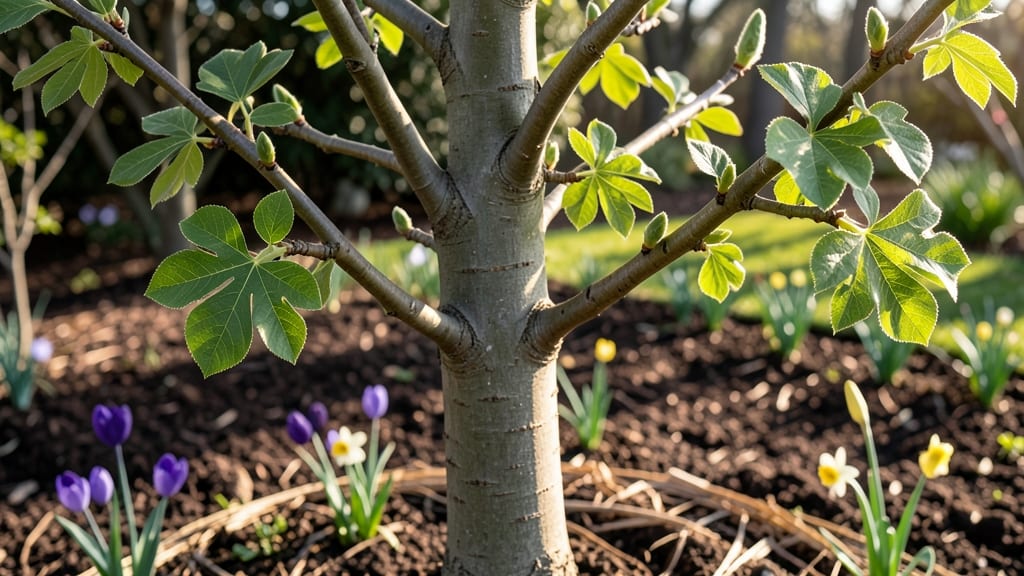
Spring is the moment your fig tree wakes up from winter dormancy—and pruning it wrong can mean fewer figs all year. 🌿 I’ve pruned figs for over a decade, and the difference between a thriving tree and a struggling one comes down to timing, cuts, and knowing what to remove.
The goal? Encourage strong branches, better air flow, and a harvest that starts earlier and lasts longer.
Most gardeners wait until after the last frost, but the real secret is pruning in late February or early March when the tree shows new growth. You’ll need sharp pruners, rubbing alcohol for cleaning cuts, and a clear day to avoid spreading disease.
The cuts themselves should be clean—no jagged edges—and made just outside a bud or branch collar. This simple technique keeps your tree healthy and productive for decades.
What you’ll end up with is a tree that produces 20-30% more figs than before, with fewer dead branches and better sunlight exposure for the remaining fruit.
The pruned wood even makes great firewood if you’re handy with a chainsaw. Plus, your tree will look tidier and handle summer storms better.
Works for both container figs and in-ground trees, whether you’re in Zone 7 or 10. The same principles apply—just adjust timing for your local frost dates. Ready to transform your fig tree this spring?
📚 In This Guide
- What you need
- Instructions
- Tips and common mistakes
- Wrapping up and next steps
What you need
- ● Pruning shears: Sharp, bypass-style shears (for clean cuts on small branches). Size: 6–8 inches.
- ● Loppers: For thicker branches (up to 2 inches in diameter). Look for: Long handles (20+ inches) for leverage.
- ● Pruning saw: For branches thicker than 2 inches. Type: Curved blade for smooth cuts.
- ○ Disinfectant (optional but recommended): Rubbing alcohol (70%+) or a pruning sealant to prevent disease spread.
- ● Garden gloves: Heavy-duty, cut-resistant gloves to protect your hands.
- ● Ladder (if needed): Sturdy, extension ladder for tall fig trees (ensure it’s rated for your height + 3 ft.).
- ● Trash bags: For collecting pruned branches and debris.
- ● Water & small spray bottle: To clean tools between cuts and keep cuts moist.
- ● Hand pruners: For tiny twigs or detailed work (great for shaping).
- ● Pruning paint: To seal large cuts (prevents disease in some fig varieties).
- ● Marking spray: Temporary spray to mark branches for removal (avoids guesswork).
- ● Safety goggles: If your tree is near power lines or has thorns.
- ● Notebook & pen: To jot down notes on cuts or tree health observations.
Instructions: how to prune a fig tree in spring
Spring is the perfect time to refresh your fig tree—here’s how to do it right for stronger growth and bigger fruit.
🌱 Step 1: Assess the Tree and Identify Dead or Weak Branches
Start by examining your fig tree from all sides. Look for branches that are completely brown, brittle, or have no leaves—these are dead and need removal. I also check for thin, weak growth or branches crossing each other, as these compete for energy.
Use your fingers to gently test branch strength. A healthy branch should feel firm, while a dead one will crumble easily. Mark these branches with a small piece of twine or a spray paint dot so you don’t miss them during pruning.
✂️ Step 2: Remove Dead, Diseased, or Crossing Branches
Using clean, sharp pruning shears, cut out the dead branches first. Make your cuts just outside the branch collar—the swollen area where the branch meets the trunk. This ensures the tree seals the wound properly and prevents disease from entering.
Next, remove any branches that are rubbing against each other or growing inward. These can create wounds that invite pests and diseases. If a branch is crossing another, cut the smaller one first—this reduces stress on the tree.
☀️ Step 3: Thin Out Overcrowded Growth for Better Airflow
Fig trees thrive when they have good airflow around their branches. Look for areas where growth is too dense—this is common in the center of the tree. Remove about 20-30% of the inner branches to open up the canopy and reduce humidity, which helps prevent fungal issues.
Focus on removing branches that are growing straight up or downward, as these often produce fewer figs. Instead, encourage horizontal branches, which bear more fruit. After thinning, step back and visualize sunlight reaching all parts of the tree.
⏰ Step 4: Shape the Tree for Optimal Fruit Production
Now’s the time to shape your fig tree for better fruit production. If it’s a young tree, aim for an open-center shape with a few main branches spreading outward. For mature trees, prune to maintain this shape, removing any branches that are growing too close together.
Leave 3-5 strong, outward-facing branches as your main structure. These will support the most fruit and allow sunlight to reach the center. Avoid heavy pruning—fig trees produce fruit on new growth, so don’t cut back more than one-third of the tree’s total branches in a single season.
🌿 Step 5: Clean Up and Apply a Protective Layer
After pruning, gather all the cuttings and dispose of them properly—either in a sealed bag or by burning them to prevent disease spread. Wipe down your pruning tools with rubbing alcohol to sterilize them for the next use.
Apply a 2-3 inch layer of mulch around the base of the tree, keeping it 6 inches away from the trunk to prevent rot. This helps retain moisture and regulate soil temperature. Water deeply after pruning to help the tree recover and encourage new growth.
Tips & tricks for perfect fig tree spring pruning
Took me years to figure out these little details that make all the difference between a good pruning job and a truly healthy fig tree. Here's what nobody tells you—
Branch Collar Precision: When you make those cuts in Step 2, don't just guess where the branch collar is. Look for that swollen ridge where the branch meets the trunk—it's usually about 1/8 inch wide. Cutting just outside this collar (about 1/4 inch) prevents disease from creeping into the wound. I've seen people cut too close and end up with oozing sap for weeks. Trust me, the extra second to find that collar saves you headaches later.
Thinning Strategy: That 20-30% thinning in Step 3 isn't arbitrary—it's about creating that perfect balance. Start by removing branches that grow straight up or down first, as these are the least productive. Then work your way to the center, visualizing sunlight reaching every leaf. Pro tip: If you're unsure whether to remove a branch, leave it—you can always prune more next year, but you can't un-prune what you've cut.
Mulch Matters: The 2-3 inch mulch layer in Step 5 isn't just decoration—it's your tree's moisture blanket. Use organic mulch like wood chips or straw, and keep it 6 inches from the trunk to prevent rot. I've seen people pile mulch right against the trunk, which creates the perfect conditions for fungal diseases. Also, water deeply after mulching to help the tree absorb moisture through those newly exposed roots from pruning.
Pro Tips for Fig Tree Spring
- Took me years to figure out these little details that make all the difference between a good pruning job and a truly healthy fig tree.
- Branch Collar Precision: When you make those cuts in Step 2, don't just guess where the branch collar is.
- Thinning Strategy: That 20-30% thinning in Step 3 isn't arbitrary—it's about creating that perfect balance.
Frequently asked questions
Got questions about timing, tools, or techniques for fig tree spring pruning? You’re not alone! Here are the most common queries—and expert answers—to help you trim with confidence.
When is the exact best time to prune a fig tree in spring?
The ideal window is right after new growth begins (typically late March to early May in most U.S. zones). Avoid pruning too early—frost can damage exposed sap—and never prune in fall, as figs are sensitive to late-season cuts. Pro tip: If your region has unpredictable springs, wait until after the last frost but before summer heat sets in.
Can I prune a fig tree in spring if I didn’t do it in winter?
Spring pruning is always better than no pruning at all. Focus on removing dead, diseased, or crossing branches first, then shape the tree for airflow. Just avoid heavy cuts—figs produce fruit on new growth, so limit pruning to <10% of the canopy. If your tree is overgrown, spread pruning over two seasons to reduce stress.
What if I prune too late in spring and the figs don’t grow back?
Don’t panic! Fig trees are resilient, but late pruning (June+) may delay fruit production that year. If branches don’t regrow by early summer, they’re likely dead—cut them out completely. For stubborn cases, apply root hormone to encourage new shoots. Overwater after pruning to help recovery.
Should I prune fig tree leaves or just the branches?
Focus on branches, not leaves—figs produce fruit on current-season growth, so pruning leaves removes potential harvest sites. Target:
- Dead/diseased wood (blackened or mushy)
- Crossing branches (rubbing creates wounds)
- Suckers at the base (non-fruiting growth)
- Avoid trimming healthy foliage unless it’s blocking sunlight.
Do I need special tools for fig tree pruning?
Basic tools suffice! Use:
- Bypass pruners (for small branches <½” thick)
- Lopper or pruning saw (for thicker branches)
- Rubbing alcohol (to sterilize tools between cuts)
- Gloves (fig sap can irritate skin)
Skip hedge trimmers—they tear bark, inviting disease. Clean tools with bleach (1 part bleach:9 parts water) after use to prevent spread of fig blight.
Wrapping up and next steps
Spring is the perfect time to give your fig tree the care it deserves—pruning isn’t just about aesthetics, it’s about unlocking its full potential. 🌿 By following these seasonal secrets, you’ll encourage lush growth, better fruit production, and a tree that thrives year-round.
Whether you’re a seasoned gardener or just starting, every trim brings you closer to a healthier, happier fig tree.
Ready to roll up your sleeves? Grab your tools and schedule that pruning session this week! Your fig tree will thank you with vibrant leaves, sweet fruit, and a crown that’s the envy of the neighborhood. 🍇✨