
Pruning
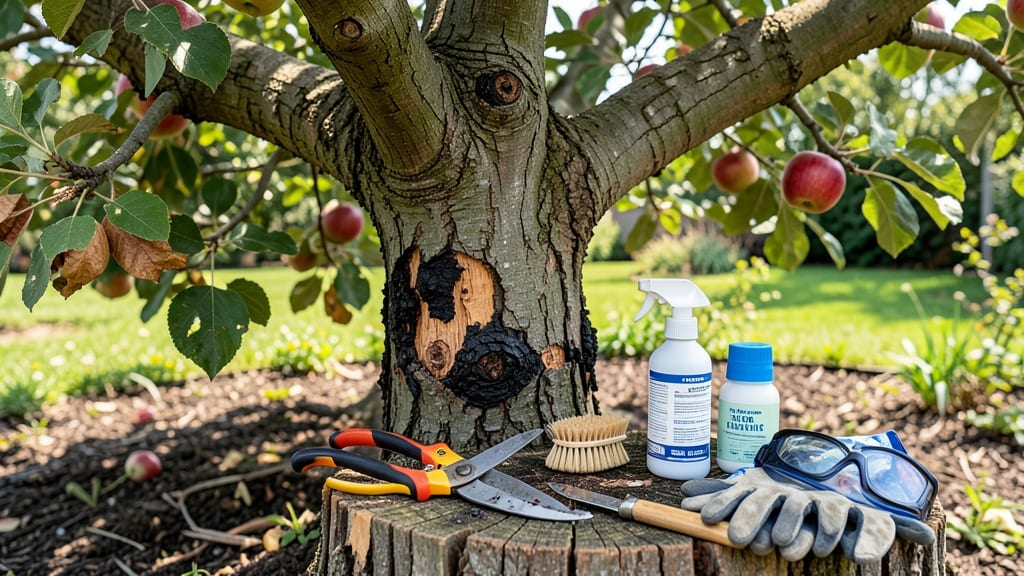
Fix tree bark damage might look scary, but pruning hacks can save it—even in winter. 🌳 I’ve nursed back sun-scalded maples, rabbit-chewed oaks, and fungal-spotted pines using simple techniques that work year-round. The key is acting fast before damage turns into a bigger problem.
Most bark damage comes from three culprits: animals gnawing, harsh winter sun, or fungal infections. You’ll spot it as cracked, peeling, or oozing bark—often on the south or west sides of trees.
The good news? Pruning out dead branches and sealing wounds with pruning paint (or just leaving them alone) stops rot from spreading.
With the right tools and a little patience, you’ll see fresh growth within a season. I’ve revived trees that looked hopeless by focusing on clean cuts, proper timing, and protecting vulnerable spots. The secret? Don’t over-treat—just give the tree room to heal naturally.
For deep cracks or large wounds, call an arborist. But for most damage, these pruning tricks work like magic—no green thumb required. Let’s get your trees back to thriving.
Root Causes Of Bark Harm
Tree bark isn’t just a tough outer shell—it’s a living, protective layer that shields your tree from pests, diseases, and environmental stress. When damage occurs, it’s rarely random. Understanding the why behind bark damage is the first step to prevention and repair.
Below, we break down the most common culprits, from nature’s wrath to human error, and explain the science behind the scars.
Trees don’t wear armor, and even minor physical damage can compromise their bark’s integrity. Here’s how it happens—and why it’s dangerous:
- Lawn Equipment Mishaps: Mowers, trimmers, and weed whackers act like sandpaper on bark, especially on young trees or those with thin, delicate skin (like birch or cherry). The damage may seem superficial, but it creates entry points for pathogens.
- Animal Activity: Deer, rabbits, and even squirrels can gnaw on bark, particularly in winter when food is scarce. Beavers and porcupines are notorious for stripping entire sections, leaving trees vulnerable to frost cracks.
- Improper Pruning: Using dull tools, cutting too close to the trunk, or making jagged wounds can tear the bark instead of making a clean cut. This disrupts the phloem (the tree’s food-transporting layer), slowing down healing.
- Frost And Sun Scald: Sudden temperature swings (like warm winter days followed by freezing nights) cause bark to expand and contract unevenly. This leads to frost cracks—vertical splits that expose the cambium (the growth layer beneath the bark) to disease.
Pro Tip: 🌡️ If you notice peeling bark or sunken patches on the south or west side of the trunk, your tree might be suffering from sun scald. Mulching the base and watering deeply in late summer can help prevent it.
Not all bark damage is visible at first. Some pests burrow, bore, or chew their way into the tree, leaving behind trails of destruction that weaken the wood from the inside out. Here’s how they do it:
| Pest | Damage Signs | Why It’s Dangerous |
|---|---|---|
| Bark Beetles (e.g., pine beetles) | Small holes in bark, sawdust-like frass (boring dust), and D-shaped exit holes. | Females lay eggs under the bark, and larvae tunnel through the phloem, disrupting nutrient flow. Infestations can kill a tree in weeks. |
| Sapsuckers (woodpeckers) | Neat, rectangular holes in rows, often on birch, maple, or willow trees. | While they don’t kill the tree, the wounds invite fungal infections and weaken structural integrity over time. |
| Borers (e.g., emerald ash borer) | S-shaped galleries under the bark, oozing sap, and D-shaped exit holes (like beetles). | Larvae feed on the cambium, girdling the tree and blocking water/nutrient transport. Many borers are non-native and invasive, with no natural predators. |
| Scale Insects and Mealybugs | Sticky honeydew residue, sooty mold (black fungus), and cracked or blistered bark. | These sap-suckers stress the tree, making it susceptible to secondary infections. Heavy infestations can stunt growth or cause branch dieback. |
Pro Tip: 🔍 If you see unusual holes or sap bleeding from the bark, inspect the area closely. Early detection of borers or beetles can save your tree with targeted treatments (like beneficial nematodes or pruning out infested branches).
Healthy bark acts as a barrier, but when it’s compromised—even by a tiny scratch—pathogens can sneak in and turn a small wound into a full-blown crisis. Here’s how:
- Canker Diseases (e.g., bacterial canker, anthracnose):
- Cause: Bacteria or fungi enter through wounds, then kill the cambium in a circular pattern, creating sunken, oozing cankers.
- Red Flags: Gumming sap, dead bark that peels away, and wilted leaves above the infection.
- Why It Spreads: Rain splashes or contaminated tools can transfer pathogens to other trees.
- Heart Rot Fungi (e.g., Armillaria root rot):
- Cause: Fungi like Armillaria infect root grafts or wounded bark, then spread inward, rotting the heartwood.
- Red Flags: Conk fungi (shelf-like growths) at the base, mushrooms at the roots, and sudden branch dieback.
- Why It’s Deadly: Once established, heart rot weakens structural support, making trees prone to snap or split during storms.
- Powdery Mildew & Rust**:
- Cause: Fungi thrive on stressed bark (e.g., from drought or poor pruning), forming white powdery patches or orange rust spots.
- Why It Matters: While often cosmetic, severe cases can clog stomata (pores) and reduce photosynthesis.
Pro Tip: ✨ Prevent fungal spread by sterilizing pruning tools with 70% rubbing alcohol between cuts. If you spot a canker, prune 6–12 inches beyond the affected area to remove infected tissue and encourage a clean callus.
Trees aren’t just damaged by direct attacks—they can suffer from indirect stress that weakens their defenses, making them easier targets. Here’s how environmental factors play a role:
- Drought And Water Stress:
- Dry conditions cause bark to split or crack as it loses
Practical fixes for damaged tree bark
Now that you know what’s causing those unsightly or harmful marks on your tree’s bark, it’s time to roll up your sleeves and restore its health! Whether it’s from pests, weather, or human error, each type of damage requires a slightly different approach.
Below, we’ve broken down step-by-step solutions tailored to the most common causes—plus preventive tips to keep your tree thriving long-term.
If your tree has deep gouges, scrapes, or broken bark from tools, animals, or storms, act fast to prevent disease and decay.
🔪 Clean the Wound 1. Sterilize your tools – Use rubbing alcohol or a 10% bleach solution to disinfect pruners or a knife before touching the tree. 2. Trim jagged edges – Carefully cut away any loose or hanging bark to create a smooth, clean edge.
This helps the tree heal faster. 3. Remove debris – Brush off sawdust, dirt, or old bark to avoid trapping moisture, which can lead to rot.
🌡️ Apply a Protective Seal
- For small wounds (under ½ inch wide):
- Let the tree heal naturally—most minor injuries seal themselves over time with a layer of callus tissue.
- For larger wounds (over ½ inch wide or deep):
- Use tree wound dressing (like Tanglefoot Tree Wound Pruning Sealer) only if the cut is on a large branch or trunk.
Avoid thick, tar-like products—they can trap moisture and harm the tree. - Better alternative: Apply a thin layer of pruning sealant (like a latex-based product) to protect against pests and sun exposure.
🌿 Monitor & Support Recovery
- Water lightly around the base (not directly on the wound) to help the tree recover.
- Avoid pruning nearby branches for at least a season to reduce stress.
- Watch for signs of infection (oozing sap, discoloration, or fungal growth).
If you see these, treat with a copper-based fungicide (like Bordeaux mixture).
If bark is peeling, oozing sap, or covered in holes, pests or pathogens are likely the culprits.
🚫 Eliminate the Source
- For boring insects (beetles, borers):
- Drill & inject insecticide – Use a hand drill to create holes (about ⅛ inch wide) into active galleries.
Inject permethrin-based insecticide or neem oil to kill larvae. - Apply systemic insecticide (like Imidacloprid) to the soil around the tree’s drip line.
The roots absorb it, spreading protection throughout the tree. - For fungal infections (cankers, powdery mildew): - Prune infected branches 6–12 inches below the damage to remove the source. - Spray with fungicide (like copper fungicide or myclobutanil) during dry weather to prevent spread.
💡 Boost Tree Immunity
- Fertilize with micronutrients – A balanced slow-release fertilizer (high in nitrogen, phosphorus, and potassium) strengthens the tree’s defenses.
- Improve soil drainage – If water pools around the base, amend the soil with compost or sand to prevent root rot.
- Encourage beneficial insects – Ladybugs and lacewings prey on sap-sucking pests.
Plant marigolds or dill nearby to attract them.
If your tree’s bark is flaking, cracking, or turning gray/brown from too much sun, it’s suffering from sun scorch—common in thin-barked trees (like maples or birches).
🌳 Provide Shade & Moisture
- Install shade cloth (30–50% coverage) on the south or west side of the tree during peak sun hours (10 AM–4 PM).
- Mulch properly – Spread 2–4 inches of organic mulch (wood chips, straw) 3–6 inches away from the trunk to retain moisture.
- Water deeply but infrequently – Soak the root zone once a week (more in extreme heat) to encourage deep root growth.
🎯 Protect Sensitive Bark
- Apply a light bark paint (like white latex paint) on young, thin-barked trees in late winter/early spring to reflect sunlight.
- Avoid pruning in summer – Heavy pruning increases sun exposure; wait until fall or early spring.
Cold snaps can cause cracked bark, split trunks, or frost cracks—especially in maples, elms, and oaks.
🔨 Fix Cracks & Splits
- For shallow cracks (under ½ inch):
- Leave them alone—the tree will seal them naturally over time.
- For deep or wide cracks:
- Clean the crack with a sterilized tool.
- Fill with tree sealant (like Tanglefoot Tree Wound Care) to prevent moisture entry.
- Wrap the trunk with tree wrap or burlap (remove in spring) to protect against further splitting.
🌡️ Prevent Future Freeze Damage
- Water before winter – Deep-watering in late fall helps the tree store moisture for cold months.
- Apply anti-desiccant spray (like Wilt-Pruf) in late fall to reduce moisture loss from bark.
- Avoid heavy pruning in late winter – Prune before buds swell (late winter/early spring) to minimize stress.
The best way to “fix” tree bark damage? Stop it before it starts! Here’s how:
| Cause | Prevention Hack |
|---|---|
| Tool damage | Always use sharp, clean pruners and avoid tearing bark when cutting. |
| Animal scratches | Install tree guards (metal or plastic wraps) on young trees. |
| Pests & diseases | Inspect trees monthly and remove infested branches immediately. |
| Sun scorch | Plant sun-loving trees (like oaks or hickories) in full sun; avoid maples in hot climates. |
| Winter damage | Mulch heavily (4–6 inches) and water before freeze to protect roots. |
If your tree is large, valuable, or severely damaged, don’t risk DIY fixes. A certified arborist can:
- Safely remove large infected branches.
- Diagnose hidden pests (like emerald ash borers).
- Apply professional treatments (like soil injections).
Remember: Trees are resilient! With the right care, most bark damage heals over time. Act quickly for minor issues, and stay consistent with preventive measures to keep your tree healthy and beautiful for years. 🌳💚
Frequently asked questions about repairing tree bark damage
How do I know if my tree's bark damage is serious enough to worry about?
Watch for these red flags: oozing sap, large cracks exposing inner wood, peeling bark revealing dark tissue underneath, or mushrooms growing at the base. Minor scrapes or small cracks (under ½ inch) usually heal naturally, but deep wounds or signs of pests/disease need immediate attention.
Can I use regular paint to seal tree wounds?
No—never use household paint! It creates an airtight seal that traps moisture, promoting rot. Instead, use latex-based pruning sealant (like Tanglefoot) for large wounds, or let small injuries heal naturally. The tree's natural callus tissue is the best sealant.
What's the best time of year to repair bark damage?
Late winter to early spring (before buds swell) is ideal for most repairs. This gives the tree time to heal before summer stress. For sun-scalded bark, address it in late summer when new growth is established. Avoid heavy pruning during drought or extreme heat.
Will my tree recover from deep animal gnawing marks?
It depends on the depth and location. Superficial scratches usually heal, but deep grooves that girdle the trunk (wrap around more than ¼ of the circumference) can kill the tree. For severe damage, clean the wound, apply sealant, and monitor closely. In worst cases, consult an arborist about cambial grafting techniques.
How long does it take for tree bark to heal?
Minor wounds typically seal within 1-2 growing seasons, while larger injuries may take 3-5 years1 year to prevent reinjury.