
Pests and Diseases
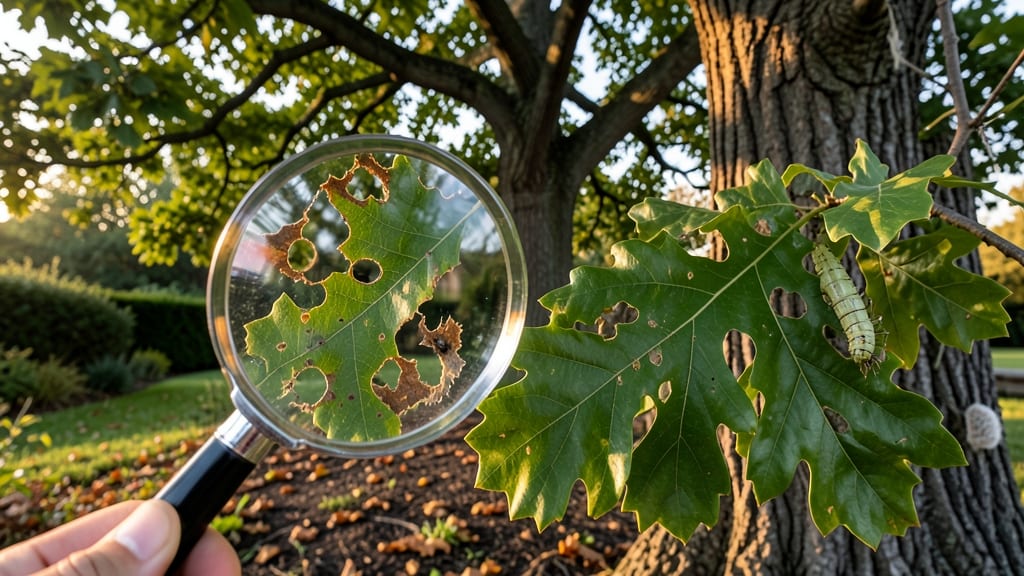
Your tree leaves are being eaten alive—and you need answers fast. 🌳 Those telltale holes aren’t just cosmetic; they signal pests, disease, or even environmental stress that can weaken your tree if ignored.
I’ve spent years tracking down the culprits, from sneaky caterpillars to fungal invaders, and I’m sharing the exact steps to diagnose and stop the damage before it spreads.
The worst part? Many homeowners waste weeks guessing what’s wrong while the problem grows. But here’s the good news: most cases have simple fixes—like neem oil sprays for caterpillars or proper pruning to improve airflow.
The key is acting within 7-10 days of noticing damage, before pests multiply or fungi take hold. I’ll walk you through the most common causes and the fastest solutions, so you can save your tree without overcomplicating it.
By the end, you’ll know exactly what’s chewing on your leaves—and how to stop it. Whether it’s tiny white marks from leaf miners or ragged edges from deer, we’ll cover organic sprays, physical barriers, and even when to call in reinforcements.
Your tree’s health depends on speed, and I’ve got you covered with no-nonsense, tested methods that work in backyards across the country.
Pro tip: Grab a magnifying glass and check the undersides of leaves first—90% of pests hide there. We’ll also tackle the “should I use chemical pesticides?” question head-on, so you can make the right call for your situation. Let’s get your tree back to full, hole-free glory.
The Hidden Forces Behind Leaf Damage
When you spot unexpected perforations in your tree’s foliage, it’s rarely just bad luck—there’s almost always a culprit lurking. Understanding the root causes helps you act fast and protect your tree’s health. Below, we break down the most common reasons why leaves develop holes, from tiny predators to environmental stressors.
Insects are the #1 culprit behind leaf holes, and their feeding patterns can reveal their identity. Here’s how to spot them:
- 🐛 Chewing Insects (Caterpillars, Beetles, Leafhoppers)
- Signs: Irregular, jagged holes or entire leaf margins eaten away.
- Why it happens: Caterpillars (like tent caterpillars or gypsy moth larvae) use their mandibles to chew through leaf tissue, leaving behind serrated edges. Adult beetles (e.g., Japanese beetles) also feast on leaves, creating shot-hole patterns.
- Actionable tip: Handpick larvae or use neem oil to disrupt their life cycle.
- 🕷️ Piercing & Sucking Pests (Aphids, Spider Mites, Leafminers)
- Signs: Tiny, precise holes or stippled surfaces (from mites) or transparent "windows" (from leafminers tunneling inside).
- Why it happens: These pests inject saliva into leaves, dissolving plant cells to slurp up nutrients. Leafminers lay eggs on undersides; their larvae burrow through mesophyll, creating serpentine trails.
- Actionable tip: Blast off mites with a strong water spray or apply insecticidal soap for aphids.
Not all leaf holes come from living things—sometimes, your tree’s own physiology or harsh conditions trigger damage.
- 💧 Overwatering or Poor Drainage
- Signs: Yellowing leaves with ragged, water-soaked holes (often near leaf edges).
- Why it happens: Excess moisture drowns root cells, starving leaves of oxygen. Fungal infections (like Phytophthora) exploit weak spots, causing tissue to rot and fall out.
- Actionable tip: Improve drainage with organic mulch and avoid watering at night.
- 🔥 Extreme Heat or Sun Scorch
- Signs: Crispy, brown or white holes on sun-exposed leaves (common in drought-stressed trees).
- Why it happens: Direct sunlight overheats leaf cells, causing proteins to denature. The tissue dries out and dies, creating "scorch" patterns.
- Actionable tip: Provide afternoon shade (e.g., shade cloth) or mulch to retain moisture.
- ❄️ Freeze or Frost Damage
- Signs: Blackened or shriveled holes after a hard frost, often on tender new growth.
- Why it happens: Ice crystals rupture cell walls, and thawing accelerates decay. Evergreens are especially vulnerable.
- Actionable tip: Cover young trees with burlap during frost warnings.
Some pathogens dig holes from the inside out, leaving behind telltale signs of decay.
- 🍄 Anthracnose or Leaf Spot Fungi
- Signs: Brown, watery holes with yellow halos; often appear in damp weather.
- Why it happens: Fungal spores infect stomata (leaf pores), releasing enzymes that break down cell walls. Infected tissue dies and drops out, leaving holes.
- Actionable tip: Prune infected leaves and apply copper fungicide before rain.
- 🦠 Bacterial Leaf Scorch
- Signs: Small, dry holes along leaf edges; leaves may curl or scorch.
- Why it happens: Bacteria (like Xylella fastidiosa) clog water-conducting vessels, starving leaves. The tissue dries and dies in patches.
- Actionable tip: Remove infected branches immediately and sterilize tools with rubbing alcohol.
💡 Pro Tip: Always check the underside of leaves for eggs, webbing, or fungal spores—this can pinpoint the exact cause faster than guessing!
Fixing Leaf Damage Fast
Now that you’ve identified the culprit behind those pesky holes in your tree leaves, it’s time to take action! 🌿 The right approach depends on the cause—whether it’s hungry insects, fungal infections, or environmental stressors.
Below, we’ll break down practical, step-by-step solutions for each common issue, plus prevention tips to keep your trees thriving long-term.
If chewed leaves, frass (insect droppings), or tiny critters are to blame, here’s how to evict them for good.
🔥 Treat for Chewing Insects (Caterpillars, Beetles, etc.)
- 🍳 Handpick the Culprits (Best for small infestations)
- Early morning or evening, when pests are sluggish, gently pluck caterpillars or beetles off leaves and drop them into soapy water. Pro tip: 💡 Use a flashlight to spot hidden larvae on the undersides of leaves!
- 👨🍳 Apply Organic Sprays (Safe for most trees) - Neem oil spray: Mix 1 tbsp neem oil + 1 tsp mild soap in 1 quart of water.
Spray leaves thoroughly (focus on undersides). Reapply every 5–7 days until pests vanish. - Bacillus thuringiensis (Bt): A natural bacteria that targets caterpillars. Mix with water and spray—safe for humans and pets! ✨
- 🥘 Use Physical Barriers (For young trees)
- Wrap tree trunks with floating row covers or fine mesh netting to block adult moths/beetles from laying eggs.
- 🔪 Prune and Destroy Infested Branches
- Cut off heavily damaged leaves/branches and dispose of them in a sealed bag (not compost). Warning: ⏰ Do this before pests spread to other trees!
🌡️ Prevent Future Insect Attacks
- 🎯 Encourage Natural Predators: Plant dill, fennel, or marigolds near your trees to attract ladybugs, lacewings, and parasitic wasps—they love eating garden pests!
- 🌿 Keep Trees Healthy: Water deeply (but avoid soggy soil) and fertilize with balanced, slow-release fertilizer to make leaves less appealing to insects.
- 🍂 Clean Up Debris: Rake up fallen leaves and mulch in autumn to remove overwintering eggs.
If holes are accompanied by yellowing, spots, or powdery growth, fungi like anthracnose or leaf spot may be the villain.
🔥 Fungal Treatment Steps
- 🍳 Prune and Remove Infected Leaves
- Trim away all diseased leaves/branches (sterilize pruners with rubbing alcohol between cuts). Dispose of debris in the trash—not the compost!
- 👨🍳 Apply Fungicide - Copper fungicide: Spray on dry, calm days (follow label instructions). Works for anthracnose and other fungal leaf spots. - Baking soda spray (for minor infections): Mix 1 tbsp baking soda + 1 tsp soap in 1 gallon of water.
Spray leaves under and over surfaces.
- 🥘 Improve Airflow and Drainage
- Thin out dense foliage to reduce humidity (fungi thrive in wet conditions).
- Ensure the tree’s soil drains well—amend with compost or perlite if needed.
🌡️ Prevent Fungal Recurrence
- 🎯 Water at the Base: Avoid overhead watering (use drip irrigation or soaker hoses).
- 🌿 Space Trees Properly: Overcrowding = more moisture = fungal paradise.
Aim for 6–10 feet between trees. - 🍂 Fall Cleanup: Remove and destroy fallen leaves in autumn to break the fungal cycle.
Hail, wind, or mechanical injury can leave ragged holes. While you can’t reverse the damage, you can minimize future harm.
🔥 Immediate Care for Storm Damage
- 🍳 Prune Damaged Areas
- Use clean, sharp pruners to remove only the most severely torn leaves/branches. Avoid over-pruning—healthy foliage helps the tree recover faster.
- 👨🍳 Shield Young Trees
- Wrap trunks in tree guard or burlap to prevent wind rub. For hail-prone areas, install protective netting over young trees.
🌡️ Long-Term Resilience Tips
- 💡 Choose Hardy Species: If your area gets frequent storms, opt for tough trees like oaks, maples, or serviceberries.
- 🌿 Mulch Properly: A 2–4 inch layer of mulch (wood chips or straw) helps roots stay stable during high winds.
- 🍂 Winterize: In cold climates, water trees deeply before frost to prevent winter desiccation.
If your tree shows wilted branches, oozing sap, or widespread dieback, it may need professional help. A certified arborist can diagnose severe issues (like borer infestations or systemic disease) and recommend targeted treatments.
Remember: Consistency is key! Most fixes take 2–4 weeks to show results. Monitor your tree regularly, and soon, those holes will be a thing of the past—replaced by lush, healthy foliage. 🌟
Frequently asked questions about tree leaf holes
Why do my tree leaves have small, precise holes instead of jagged edges?
Those tiny, clean holes are likely from leaf miners or spider mites. Leaf miners lay eggs on undersides, and their larvae tunnel through leaf tissue, creating serpentine trails. Spider mites pierce cells to suck out sap, leaving stippled patterns. Check leaf undersides with a magnifying glass—you’ll often spot webbing or tiny eggs.
Can deer or rabbits cause holes in tree leaves?
Yes! Deer and rabbits often browse on young leaves, creating ragged, uneven holes along leaf edges. Look for damage higher up on trees or near fences where animals can reach. Install physical barriers like fencing (at least 8 feet tall) or use repellent sprays with garlic or predator urine to deter them.
How do I tell if my tree has a fungal infection vs. insect damage?
Fungal damage often shows as yellow halos around holes or powdery growth on leaf undersides. Insect damage usually has frass (tiny droppings) near holes or visible pests. Test for fungi by placing a damp paper towel over suspected leaves—if white mold appears in 24 hours, it’s likely a fungal issue.
Will my tree recover if I remove all the damaged leaves?
For mild damage, yes! Prune only the most affected leaves to reduce stress on the tree. However, if over 30% of foliage is damaged, the tree may struggle to photosynthesize enough. Focus on treating the root cause first (pests, disease, or environmental factors) before pruning. Always use sterilized tools to prevent spreading infections.
Are there any natural predators that help control leaf-eating pests?
Plant dill, fennel, or marigolds near your trees to attract ladybugs, lacewings, and parasitic wasps—they devour caterpillars and beetles. You’ll also see birds and toads hunting pests in healthy gardens. Avoid pesticides to keep these beneficial allies around!