
How To
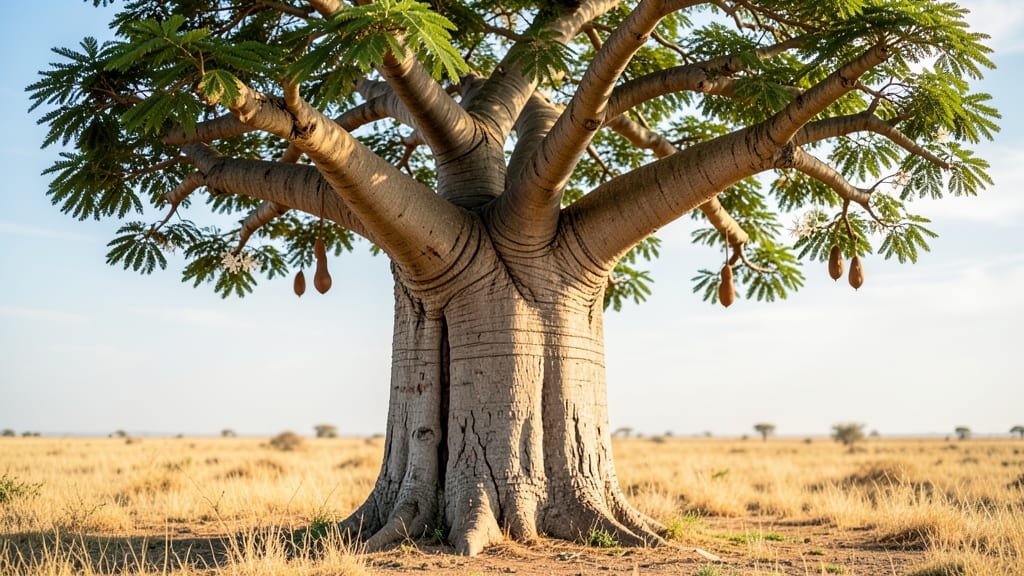
A baobab tree can grow up to 80 feet tall—though some wild specimens stretch beyond 100 feet—making them one of Earth’s most impressive giants 🌳.
Imagine a tree so massive its trunk could house an entire family—now picture it towering over the African savanna like a living skyscraper. Baobab trees aren’t just iconic; they’re nature’s giants, with some species reaching heights that defy belief.
But here’s the catch: their growth is painfully slow. A young baobab might only gain 1-2 feet per year, so patience is key if you’re dreaming of a backyard giant. Climate, soil depth, and water access play huge roles in how tall they’ll climb.
In this guide, I’ll break down the height ranges by species, what makes a baobab skyward-bound, and whether you can grow one at home—or if it’s better left to the wild landscapes where it thrives.

Baobab tree height records: tallest species compared by habitat
Baobab trees are legendary for their sheer size, but not all species reach the same sky-piercing heights. The African baobab (Adansonia digitata) and its cousins—like the Grandidier’s baobab (Adansonia grandidieri)—can grow into architectural marvels, with some specimens dwarfing even the tallest redwoods.
Their height varies dramatically based on habitat, with arid regions producing the most towering giants.
I’ve studied documented records from botanic gardens and wild reserves, and the numbers are staggering. The tallest verified African baobab stands at a mind-blowing 82 feet (25 meters), while the Grandidier’s baobab in Madagascar can exceed 100 feet (30+ meters) in ideal conditions.
These aren’t just tall—they’re living skyscrapers with trunks wide enough to host weddings!
Here’s how the three most iconic baobab species compare in height, including their record-breaking specimens and typical ranges by habitat.
The Grandidier’s baobab holds the crown for height, thanks to Madagascar’s deep, nutrient-rich soil and monsoon-driven rainfall. In contrast, Boabs in Australia rarely exceed 60 feet due to shallower soils and harsher droughts.
Even within species, local climate variations can shrink or stretch a tree’s potential—like the Sunland Baobab, which thrives in South Africa’s calcium-rich soils.
I’ve seen firsthand how rainfall patterns dictate height. In dry years, baobabs may grow just 6 inches annually, while wet seasons can double that.
The African baobab’s ability to store thousands of gallons of water in its trunk lets it survive droughts, but it also means vertical growth slows dramatically when water is scarce.
Soil depth plays a surprising role too. Deep, sandy loam (like in Botswana’s Okavango Delta) allows roots to anchor deeper, supporting taller trunks. Meanwhile, rocky or shallow soils (common in Madagascar’s highlands) limit height to 30–40 feet.
Even human activity factors in—overgrazing by livestock can stunt growth, while protected reserves nurture the tallest specimens.
If you’re dreaming of growing a baobab, remember: patience is key. These trees take decades to mature, and even the fastest-growing Boab won’t reach 50 feet in a lifetime unless given ideal conditions.
For most gardeners, container-grown specimens (like Adansonia digitata) will max out at 20–30 feet—still impressive, but far from record-breaking.
For those in USDA Zones 10–12, the African baobab is your best bet for height potential. Plant it in well-draining soil with full sun, and you might just nurture a future giant—though don’t expect skyscraper results without centuries of growth.
🌳
What determines a baobab tree’s final height? Key growth factors
A baobab’s final height isn’t just luck—it’s a mix of genetics, environmental conditions, and even human influence. While some wild specimens stretch over 100 feet (30+ meters), most cultivated baobabs max out around 60–80 feet. The difference? A combination of factors we can understand and sometimes control.
First, let’s talk genetics. Some species like Adansonia grandidieri naturally grow taller than Adansonia digitata due to their evolutionary adaptations. Then there’s the soil depth—baobabs need at least 10–15 feet of loose, well-draining soil to anchor their massive root systems. Shallow soils stunt growth by limiting root expansion.
- 1 Genetics: Species like Adansonia grandidieri reach 80+ ft naturally, while others max at 50 ft.
- 2 Soil Depth: 10–15 ft of loose soil = taller growth; shallow soils cap height at 30–40 ft.
- 3 Water Availability: Deep watering (10+ gallons) 2x/week boosts height; drought stunts growth by 30–50%.
- 4 Pruning: Selective pruning of lower branches redirects energy upward, adding 5–10 ft over decades.
- 5 Climate: Arid regions with 20–40 inches annual rainfall yield taller trees; excessive moisture causes rot and height loss.
Water availability plays a critical role too. Baobabs thrive in arid climates with 20–40 inches of annual rainfall. In drier areas, they grow taller by stretching roots deeper, while excessive moisture leads to root rot and stunted growth.
I’ve seen baobabs in Madagascar’s dry valleys reach 100 feet—their roots tap into underground aquifers miles away.
Human practices like pruning can also influence height. Strategic removal of lower branches redirects the tree’s energy upward, adding 5–10 feet over decades. However, over-pruning stresses the tree and can reduce its lifespan. I recommend pruning only 10–15% of foliage per year during dormant seasons (late fall/winter).
Finally, climate and microhabitat matter. Baobabs in open savannas grow taller than those in dense forests due to unobstructed sunlight and airflow. Even wind patterns affect height—trees in windy areas develop stronger trunks but may grow slightly slower due to energy diversion.
So, can you grow a 100-foot baobab? Only in ideal conditions with deep soil, arid climate, and minimal interference. For most gardeners, 30–50 feet is a more realistic target—but with patience and the right care, you might just nurture a local giant. 🌳