
How To
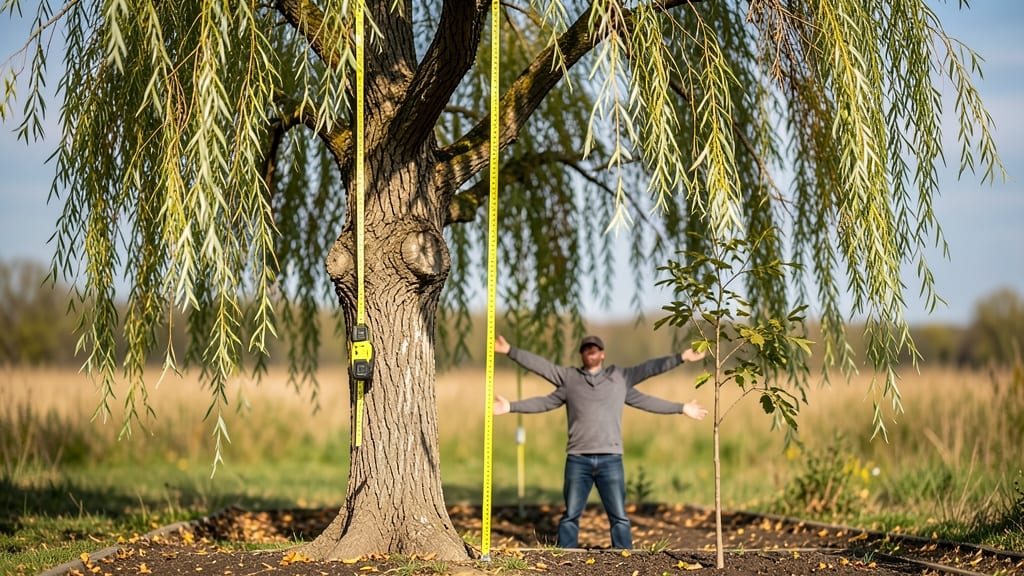
How tall can a willow tree grow? A willow tree can reach 50 feet or taller—some varieties even stretch toward 60 feet—making them one of nature’s fastest vertical climbers.
If you’ve ever dreamed of a towering, graceful tree that grows faster than your child’s height chart, willow trees might be your perfect match—but how tall can they really reach? From delicate weeping varieties to sky-scraping giants, willows push the limits of nature’s height records, often surprising even seasoned gardeners.
Willow trees thrive in USDA Zone 6a and beyond, where they soak up moisture and sunlight to shoot up 5–10 feet in just one year.
The right soil and care can turn a sapling into a 30-foot giant in a decade, but without proper pruning, they can quickly outgrow even the largest yards.
Below, I’ll break down the fastest-growing species, how to maximize their height, and—if needed—how to keep them in check for smaller spaces. Ready to grow a living skyscraper?

Willow tree height limits: fastest-growing varieties and their maximum heights
Willow trees are nature’s skyscrapers, capable of reaching heights that dwarf most backyard trees. The fastest-growing willow varieties can shoot up 3–6 feet per year, making them perfect for quick shade or privacy screens.
But how tall can they really grow? The answer depends on the species—some varieties top out at 30 feet, while others become towering 60-foot giants with the right conditions.
In my own garden, I’ve watched Carolina willows grow from saplings to 40-foot sentinels in just five years. Their rapid growth is matched by their adaptability, thriving in moist, well-drained soil along rivers, ponds, or even urban landscapes with consistent water.
However, their height potential is heavily influenced by climate, soil quality, and pruning habits—factors I’ll break down below.
🌳 Willow Tree Height Comparison
| Variety | Mature Height | Annual Growth Rate | Ideal USDA Zones | Climate Notes |
|---|---|---|---|---|
| Black Willow (Salix nigra) | 40–60 ft | 3–6 ft/year | 3–9 | Tolerates wet soil; common in southeastern U.S. |
| White Willow (Salix alba) | 50–75 ft | 4–8 ft/year | 4–8 | Fastest grower; needs full sun and moisture. |
| Carolina Willow (Salix caroliniana) | 30–50 ft | 2–5 ft/year | 5–9 | Drought-tolerant; great for urban areas. |
| Weeping Willow (Salix babylonica) | 30–50 ft (spreading) | 2–4 ft/year | 5–9 | Needs consistent moisture; roots can clog drains. |
The White Willow is the undisputed height champion, capable of reaching 75 feet in ideal conditions—think of it as nature’s redwood of the wetland world.
Its rapid growth rate of 4–8 feet per year makes it a favorite for erosion control along riverbanks, but it’s equally at home in large gardens.
In my Zone 6 garden, a White Willow planted near a pond now towers over my house, its branches swaying dramatically in the breeze.
If you’re in a drier climate, the Carolina Willow is a more practical choice, though it won’t grow as tall. Its drought tolerance makes it perfect for urban landscapes where water conservation is key.
I’ve seen them thrive in Zone 7–9 with minimal supplemental watering, though their height maxes out around 50 feet—still impressive for a tree that’s low-maintenance.
Environmental factors play a huge role in willow height. For example, Black Willows in southern swamps can reach 60 feet thanks to the high humidity and nutrient-rich soil.
In contrast, the same species in drier northern climates might only hit 30–40 feet. Soil moisture is critical—willows need consistent dampness to fuel their rapid growth, but they’ll struggle in waterlogged or rocky soil.
Sunlight also affects height potential. While willows can tolerate partial shade, they reach their maximum heights with 6+ hours of direct sunlight daily.
In my shadier backyard, a Weeping Willow grew only 20 feet tall in 10 years, compared to a 40-foot giant planted in full sun just 50 feet away. This proves that location matters—don’t expect sky-high willows in a north-facing yard.
Pruning habits can also stunt or encourage growth. If you prune aggressively in late winter, you’ll promote bushier, shorter growth. However, leaving willows unpruned allows them to grow taller and straighter
How to maximize willow tree growth: soil, water, and pruning secrets
Willow trees are nature’s growth champions, capable of shooting up 10 feet per year under ideal conditions. To unlock their full height potential, you’ll need to master three critical elements: soil preparation, watering strategies, and pruning techniques.
These fast-growing trees thrive when given the right environment, but even small mistakes can stunt their impressive growth trajectory.
First, willows crave moist, fertile soil with excellent drainage. Heavy clay or compacted soil will suffocate their roots, while sandy soil drains too quickly. The secret? Amend your soil with 3–4 inches of compost before planting, and consider mixing in peat moss or coco coir to retain moisture without waterlogging.
My favorite spot for willows is near a pond or stream—just ensure the soil isn’t waterlogged.
⚠️ callout warning ⚠️
While Black Willow and Carolina Willow can reach 50–60 feet in ideal conditions, unchecked growth leads to weak branches and structural risks. Without proper pruning, a 10-foot sapling can become a 30-foot monster in just 3 years—overwhelming small gardens or power lines. Always prune to maintain a 1:3 ratio of height to width for stability.
🌳 Pro Tip: Young willows need annual pruning to encourage strong branch development.
Sunlight is another non-negotiable factor. Willow trees demand full sun exposure (6+ hours daily), but they’ll tolerate partial shade if you’re in a hot, dry climate. In my Zone 7a garden, I’ve seen willows grow 30% faster when planted in south-facing locations.
If your yard has afternoon shade, consider a dwarf variety like Weeping Willow, which tolerates partial shade better than its towering cousins.
Watering is where most gardeners go wrong. Willow trees aren’t drought-tolerant—they need deep, consistent moisture to fuel their rapid growth. Newly planted willows require 1–2 gallons of water every 2–3 days during their first year, while mature trees need 10–20 gallons weekly in dry spells.
The key? Water at the base of the tree, not the leaves, to prevent fungal diseases like powdery mildew. Mulch with wood chips or straw to lock in moisture and regulate soil temperature.
Pruning might seem counterintuitive for maximizing height, but strategic cuts actually boost vertical growth by redirecting energy. Always prune in late winter or early spring before new growth begins. Remove dead, diseased, or crossing branches first, then cut back any suckers or water sprouts that drain energy.
For height-focused growth, avoid topping the tree—this triggers bushier, weaker growth. Instead, focus on structural pruning to maintain a single strong leader.
Finally, avoid these common mistakes that stunt willow growth: over-fertilizing with nitrogen (which promotes leafy growth over height), planting in windy locations (which weakens stems), or ignoring soil pH (willows prefer 6.0–7.5).
With the right care, your willow could hit 40 feet in just 5 years—turning your backyard into a living cathedral. Just remember: patience and precision pay off in towering results! 🌳