
How To
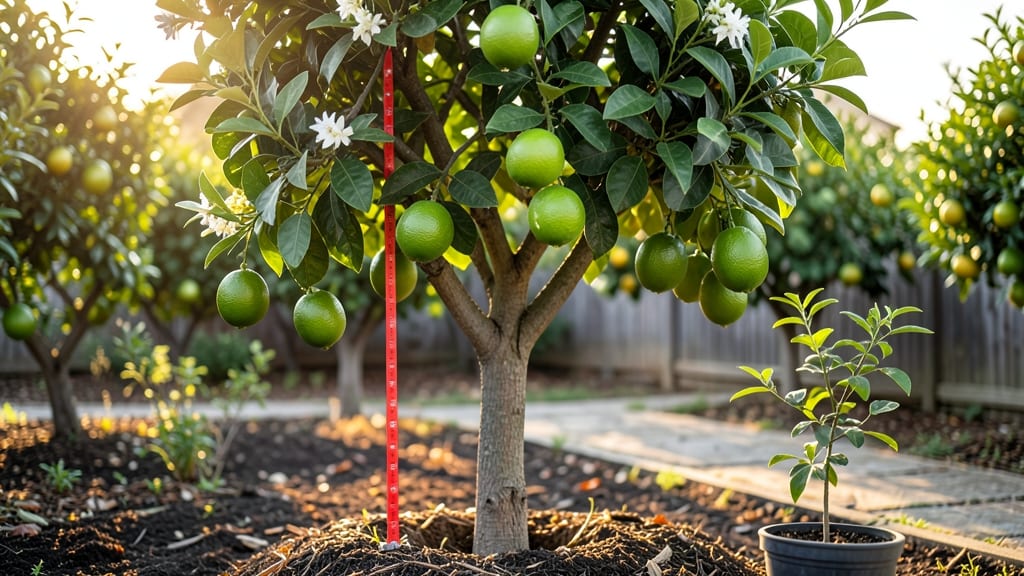
A lime tree’s mature height can range from how tall it grows—a manageable 8 feet in dwarf varieties to a towering 40 feet for standard types—depending on the variety and care you provide.
Picture this: You’ve just planted that cute little lime tree 🍋 in your backyard, dreaming of fresh limes for margaritas—only to realize years later it’s blocking your pool or shading your entire patio.
The good news? With the right choices and pruning, you can keep it compact or let it grow wild.
Standard lime trees like the Key Lime or Mexican Lime need plenty of space, while dwarf varieties (like the ‘Eureka’ or ‘Bearss’) stay small enough for containers or tight gardens.
Below, I’ll break down the height differences, how climate affects growth, and the pruning secrets to control its size—so you can plan your space (and your lime supply) with confidence.
Whether you’re dreaming of a backyard orchard or just a few limes for cooking, knowing these details upfront saves you from years of regret—or a very tall (and very inconvenient) tree.

Full-sized lime tree heights by variety: keywood vs Mexican vs Persian
If you're dreaming of fresh limes but worried about your backyard space, the variety you choose makes all the difference. Key lime trees stay compact, while Persian limes can reach towering heights.
Understanding these differences helps you plan your garden layout or container setup. Let’s break down the mature heights, growth habits, and care needs for each popular lime variety.
Your choice of lime tree variety isn’t just about fruit flavor—it directly impacts your garden’s vertical space requirements. Some varieties thrive in containers, while others need ample yard room.
Below, we’ll compare the three most common types: Key lime, Mexican lime, and Persian lime, including their mature heights and growth rates.
| Variety | Mature Height | Growth Rate | Sunlight Needs | Climate Suitability |
|---|---|---|---|---|
| Key Lime (Citrus aurantifolia) | 6–12 ft | Slow to moderate | Full sun (6+ hours) | USDA Zones 9–11; needs frost protection |
| Mexican Lime (Citrus aurantifolia) | 10–15 ft | Moderate | Full sun (6+ hours) | USDA Zones 9–11; frost-sensitive |
| Persian Lime (Citrus latifolia) | 20–40 ft | Fast | Full sun (6+ hours) | USDA Zones 9–11; frost-sensitive |
The Key lime is the smallest of the bunch, typically reaching 6–12 feet at maturity. This makes it ideal for containers or small gardens. Its slow growth rate means you won’t see rapid expansion, but it still needs proper care to thrive.
If you’re in a cooler climate, consider growing it in a large pot that you can move indoors during winter.
Next up is the Mexican lime, which grows slightly taller at 10–15 feet. It’s a great middle-ground option if you want a balance between manageable size and fruit production.
Mexican limes are also more cold-hardy than Persian limes, making them a better choice for gardeners in marginal climates like USDA Zone 9.
The Persian lime is the giant of the group, capable of reaching 20–40 feet in ideal conditions. This variety grows quickly, so it’s best suited for large yards or orchards.
If you’re considering a Persian lime, plan for its eventual height and think about pruning strategies to keep it manageable. Without proper care, it can easily outgrow its space.
All lime varieties require full sun exposure (at least 6 hours daily) to reach their full potential. However, their growth rates and mature heights vary significantly. Persian limes, for example, can grow 3 feet per year in ideal conditions, while Key limes grow more slowly.
This difference is why Persian limes are often found in commercial orchards, while Key limes are popular in home gardens.
If you’re in a cooler climate (USDA Zones 8 or below), consider growing dwarf varieties or container-grown limes. These can be moved indoors during winter to protect them from frost.
Even in warmer climates, pruning techniques can help control height. Regular pruning in late winter or early spring encourages bushier growth and keeps the tree at a manageable size.
Another factor to consider is root restriction. Growing lime trees in containers limits their height, but the container must be large enough (at least 20 gallons) to accommodate the root system.
Smaller containers will stunt growth but may also limit fruit production. If you’re planting in the ground, ensure you have enough space—especially for Persian limes.
For gardeners in USDA Zones 9–11, lime trees can be grown outdoors year-round. In these climates, Persian limes thrive with minimal care, while Key limes may need occasional pruning to maintain their compact shape.
Always choose a well-draining soil mix to prevent root rot, which can slow growth and reduce fruit production.
No matter which variety you choose, remember that proper care is key to controlling height and ensuring a bountiful harvest. With the right variety, sunlight, and pruning, you can enjoy fresh limes without your tree becoming an unmanageable giant. 🌱
How to grow a dwarf lime tree: pruning and spacing tips
If you love the idea of fresh limes but need a tree that fits your space, dwarf varieties are your best bet. With the right pruning techniques and spacing strategies, you can keep your lime tree compact while maximizing fruit production.
The key lies in understanding when and how to prune, along with proper root management.
Most dwarf lime trees naturally stay between 8 to 12 feet tall, but without proper care, they can grow taller. By controlling growth early, you’ll enjoy a manageable tree that produces limes year-round. Start with these essential steps to maintain your desired height and shape.
Select a dwarf lime variety like 'Improved Meyer' or 'Bearss' lime, which are bred for compact growth. These varieties are ideal for containers or small gardens.
Use sharp pruning shears to trim back 1/3 of new growth during dormancy. This encourages bushier growth and prevents vertical stretching.
Plant your dwarf lime 6 to 10 feet apart if growing in the ground. For containers, use pots at least 18 inches wide to restrict root growth naturally.
If growing in pots, repot every 2-3 years to slightly smaller containers. This slows root expansion and keeps the tree from outgrowing its space.
After fruiting, trim any overly long branches to maintain shape. Focus on removing suckers at the base to prevent unwanted height growth.
For best results, combine these techniques with regular fertilization and watering. A balanced 6-6-6 NPK fertilizer applied every 4-6 weeks during growing months will support compact growth while encouraging fruit production.
Remember, consistency is key. Prune regularly, monitor spacing, and adjust your approach as your tree matures. With these tips, your dwarf lime tree will stay within your desired height limits while still yielding delicious limes for years to come. 🌱