
How To
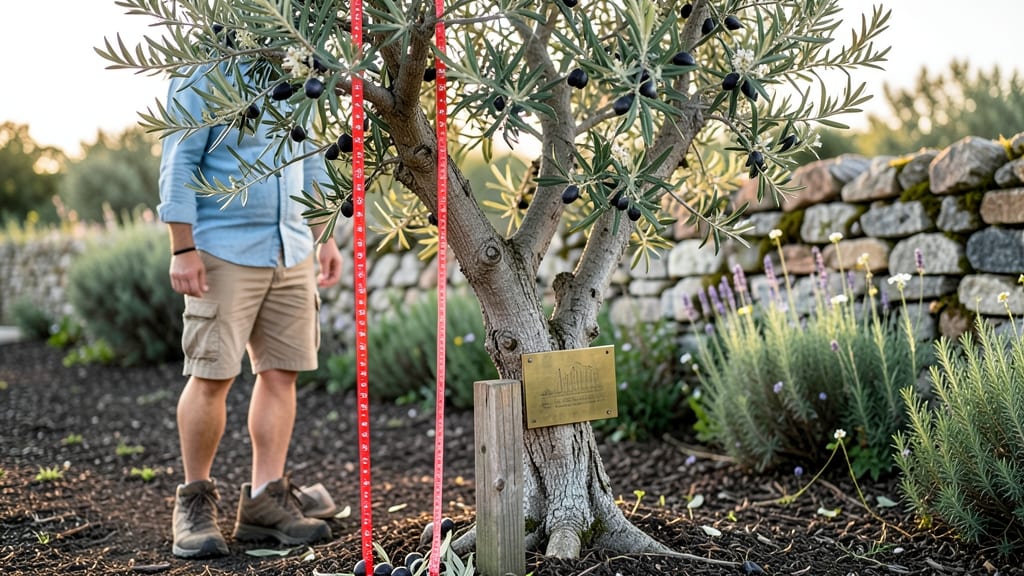
How tall does an olive tree grow? The answer ranges from 8 feet for dwarf varieties to towering 50+ feet for mature standards—far bigger than most homeowners realize.
Picture this: a 20-foot tree in your backyard, its gnarled branches heavy with fruit, or a compact 10-foot patio specimen that fits your balcony. The difference comes down to variety, pruning, and where you live. Before you plant, knowing these heights will save you space—and pruning headaches—down the road.
In Mediterranean climates like Zone 9b, olive trees thrive with minimal care, but even in cooler areas, the right dwarf cultivar can keep your tree manageable. We’ll break down exact heights by variety, how climate affects growth, and the easiest ways to control size if your space is limited.
By the end, you’ll know whether your olive tree will need a two-story home or just a corner of your garden—and how to keep it there.

Olive tree height by variety: dwarf to standard growth ranges
Choosing the right olive tree variety is key to fitting it into your space. Dwarf cultivars stay under 10 feet, while standard varieties can reach 50 feet or more. Whether you have a tiny patio or a sprawling landscape, there’s an olive tree perfect for your needs.
Let’s break down the height ranges and growth habits of the most popular varieties to help you decide.
Olive trees grow at different rates based on their genetics, climate, and care. Dwarf varieties like 'Arbequina' mature in 8-12 feet, making them ideal for containers or small gardens. Meanwhile, standard varieties like 'Manzanillo' can shoot up to 30-50 feet in ideal conditions.
Understanding these differences ensures you pick a tree that thrives in your environment without outgrowing its welcome.
Growth rates also vary—some varieties grow 1-2 feet per year, while others can surge 3-5 feet annually with proper care. Pruning plays a huge role in managing height, especially for larger varieties. Below, we’ve organized the most popular olive tree varieties by their mature height ranges for easy comparison.
If you’re working with limited space, dwarf varieties like 'Arbequina' or 'Arbosana' are fantastic choices. These stay compact and thrive in containers or small gardens, making them perfect for urban settings. Their slower growth rate also means less pruning, which is a bonus for busy gardeners.
For those with more room, semi
How climate zones affect olive tree height and growth speed
Your olive tree’s height potential and growth speed hinge heavily on your USDA hardiness zone. Native to the Mediterranean, olive trees thrive in zones 9-10 but can adapt to zone 7 with protection.
In colder zones, growth slows dramatically, while warmer climates accelerate their towering potential. Understanding these patterns helps you choose the right variety and care strategy for your space.
In zone 10, olive trees grow fastest, reaching 20-50 feet in 10-15 years with minimal winter stress. However, in zone 7, the same tree may only reach 10-15 feet due to slower spring growth and winter dormancy.
The cold tolerance threshold for most olive trees is 20°F (-6°C), meaning zone 7 gardeners must use mulch or microclimates to protect roots.
| USDA Zone | Cold Hardiness (°F) | Mature Height (ft) | Growth Rate (ft/year) | Pruning Needs |
|---|---|---|---|---|
| Zone 7 | 15-20°F (-9 to -6°C) | 10-15 ft | 0.5-1 ft | Heavy winter pruning |
| Zone 8 | 10-15°F (-12 to -9°C) | 15-20 ft | 1-1.5 ft | Moderate pruning |
| Zone 9 | 20-25°F (-6 to -4°C) | 20-30 ft | 1.5-2 ft | Light pruning |
| Zone 10 | 25-30°F (-4 to -1°C) | 30-50+ ft | 2-3 ft | Minimal pruning |
In Mediterranean climates (zones 9-10), olive trees grow 2-3 feet per year thanks to warm winters and long growing seasons. However, in temperate zones (7-8), growth slows to 0.5-1.5 feet annually due to shorter growing seasons.
For example, a ‘Arbequina’ olive tree—a popular dwarf variety—may only reach 10 feet in zone 7 but 15 feet in zone 9.
Your pruning strategy must adapt to your zone. In zone 7, prune aggressively in late winter to remove damaged wood and encourage new growth. In zone 10, minimal pruning suffices, as olive trees grow vigorously on their own.
Always prune after harvest to avoid stressing the tree during fruit production.
For container-grown olive trees, growth slows further due to root restriction, making them ideal for zones 7-8 where space is limited. In these cases, expect 50-70% slower growth compared to in-ground trees. Use well-draining potting mix and larger containers (24"+ diameter) to maximize height potential.
If you live in zone 7, consider cold-hardy varieties like ‘Frantoio’ or ‘Leccino’, which tolerate brief cold snaps better than Mediterranean natives. In zone 10, you can grow taller varieties like ‘Manzanillo’ without worry, as they’ll reach their full 30-50-foot height with minimal care.