
Pruning
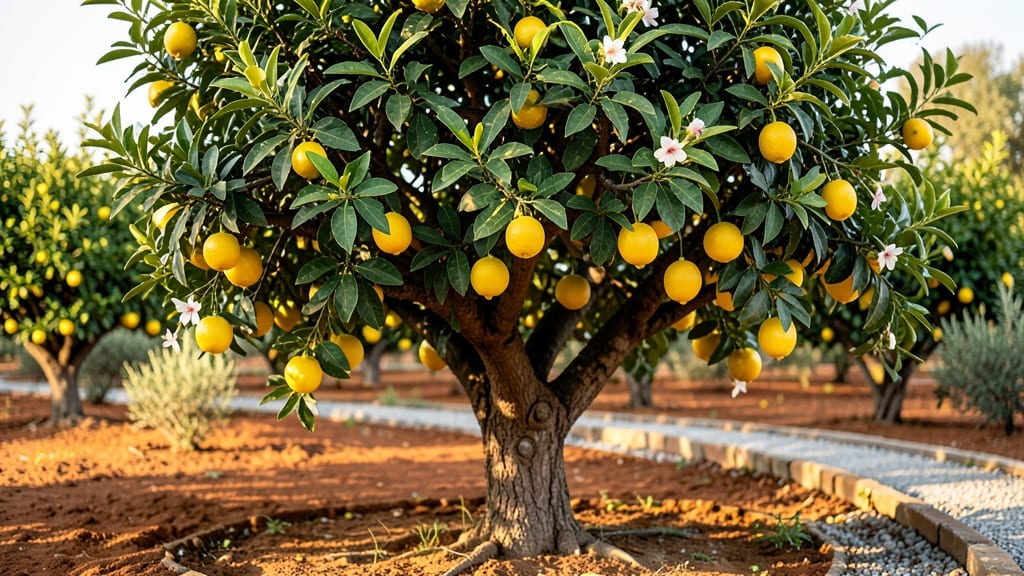
Growing a large lemon tree 🍋 means managing its towering height—without the right pruning, it can become unruly, overcrowded, and even dangerous.
If your lemon tree has grown into a towering giant—reaching heights where ladders become a necessity—proper pruning isn’t just about aesthetics; it’s about reviving productivity, improving fruit yield, and preventing structural collapse.
Many gardeners avoid pruning large citrus trees because they fear overdoing it, but the right cuts can actually boost growth and fruit production while keeping your tree manageable.
In this guide, I’ll walk you through the key steps for pruning a mature lemon tree, from seasonal timing to branch selection, so you can enjoy a healthy, productive tree without the hassle.
How to prune a large lemon tree for optimal growth and fruit production
Pruning a large lemon tree isn’t just about trimming back unruly branches—it’s a strategic process that directly impacts fruit production, tree health, and even structural safety.
When done correctly, pruning opens the canopy to sunlight penetration, improves air circulation, and redirects energy toward fruit-bearing branches. But timing and technique matter: one wrong cut can stress your tree or invite disease.
Let’s break down the essential steps to prune your towering citrus giant like a pro.
Before grabbing your pruners, know that lemon trees thrive with selective pruning—never remove more than 25% of the canopy in a single session. This rule prevents shock and ensures your tree retains enough foliage to photosynthesize.
Focus on three key goals: removing dead or diseased wood, thinning overcrowded branches, and shaping for balanced sunlight exposure. With these principles in mind, let’s dive into the step-by-step process.
-
Step 1: Choose the Right Season
Prune your lemon tree in late winter or early spring (February-March) before new growth begins. Avoid pruning in fall or winter when the tree is dormant, as this can leave it vulnerable to cold damage or fungal infections. -
Step 2: Identify Branches to Remove
Target 3 types of branches:- Dead/diseased wood (brown, brittle, or oozing sap)
- Crossing branches (rubbing against each other)
- Overcrowded growth (shading inner branches)
-
Step 3: Use Proper Cutting Techniques
Make cuts 45 degrees just above a bud or branch collar. Avoid leaving stubs, which invite disease. For large branches, use a three-cut method to prevent bark tearing. -
Step 4: Thin the Canopy Strategically
Remove selective inner branches to improve sunlight penetration. Aim for an open vase shape, allowing light to reach the center of the tree where fruit develops. -
Step 5: Shape for Airflow
Prune to create vertical and horizontal layers of branches, ensuring 3-4 feet of space between major limbs. This reduces humidity buildup and disease risk like citrus canker. -
Step 6: Sterilize Tools Between Cuts
Wipe pruners with rubbing alcohol or a 10% bleach solution between cuts to prevent spread of pathogens. Disinfect tools after each tree if working with multiple citrus plants. -
Step 7: Post-Pruning Care
Apply a balanced fertilizer (6-6-6 NPK) to replenish nutrients. Water deeply to reduce transplant shock, and monitor for new growth in 4-6 weeks.
One of the most common mistakes I see is over-pruning to achieve a "perfect" shape. Resist the urge to remove too much foliage at once—your lemon tree’s fruit production depends on its ability to photosynthesize.
Instead, focus on selective thinning to maintain a balanced canopy. For example, if your tree has thick, dense branches blocking sunlight, prioritize removing every other branch in clusters rather than shearing entire sections.
For towering lemon trees (10+ feet tall), safety becomes a priority. Always use a stable ladder or a pole saw for high branches. Never stand on wobbly surfaces or stretch—reach is limited to 3-4 feet beyond your ladder’s safe height.
If your tree exceeds 15 feet, consider hiring a professional arborist to handle the upper canopy while you manage the lower branches.
After pruning, your lemon tree will send new growth from the buds left on branches. These water sprouts (fast-growing, vertical shoots) should be pruned back by 50% in late spring to encourage fruit-bearing wood.
This two-step approach—winter thinning followed by spring refinement—maximizes both tree structure and harvest potential.
Pro tip: Mark your pruning plan with string lines or stakes before making cuts. This helps visualize the final shape and ensures you’re removing branches symmetrically. For fruit production, prioritize keeping young, vigorous branches (under 3 years old) as they bear the most high-quality lemons.
Older wood may still produce, but it’s less reliable.
Finally, observe your tree’s response in the weeks after pruning. Healthy new growth indicates successful pruning, while wilting leaves or dropped fruit may signal over-pruning. Adjust your approach in future sessions based on what you learn—lemon trees communicate their needs through their growth patterns.
With these techniques, your large lemon tree will not only stay structurally sound but also reward you with bountiful harvests for years to come. Happy pruning! 🍋✂️🌳
Common mistakes to avoid when pruning a large lemon tree
Pruning a large lemon tree can feel overwhelming, especially when branches stretch beyond your reach. Many gardeners unintentionally harm their trees by making common pruning mistakes that reduce fruit production or invite diseases.
The key is understanding what not to do—because the wrong cut can set your tree back for years.
One frequent error is over-pruning in a single session. Removing too much foliage at once stresses the tree, leaving it vulnerable to pests and poor recovery. Another mistake is improper cutting techniques, like leaving stubs or tearing bark, which creates entry points for fungal infections.
Even well-meaning gardeners often ignore structural weaknesses, like weak crotches or dead branches, until they become major problems.
⚠️ CRITICAL WARNING: These Pruning Mistakes Can Kill Your Lemon Tree
- Pruning in winter – Dormant trees can’t heal properly, leading to dieback and canker diseases.
- Using dull tools – Jagged cuts tear bark, inviting infections and pests.
- Removing too many fruit-bearing branches – Reduces next year’s harvest yield by up to 40%.
- Ignoring vertical growth – Letting branches grow straight up creates weak attachment points that snap in storms.
These errors don’t just harm aesthetics—they can permanently weaken your tree’s ability to produce fruit.
Another pitfall is pruning at the wrong time. Late summer or early fall cuts stimulate new growth that won’t harden before winter, leaving tender shoots vulnerable to frost damage.
Even seasoned gardeners sometimes misjudge branch removal—cutting too close to the trunk or removing healthy branches to "open up" the canopy, which disrupts the tree’s natural energy flow.
Let’s break down the correct vs. incorrect pruning techniques in a simple table to keep your lemon tree thriving:
| Mistake | Why It’s Harmful | Correct Approach |
|---|---|---|
| Over-pruning in one session | Stresses tree, reduces fruit yield | Remove no more than 25% of foliage annually |
| Leaving stubs after cuts | Invites fungal infections | Cut just outside the branch collar |
| Pruning during dormancy | Slows recovery, increases disease risk | Prune in late winter/early spring |
| Ignoring weak branch angles | Leads to branch failure | Remove branches with narrow crotches (<30° angle) |
Remember, the goal of pruning your large lemon tree is to enhance fruit production, not just trim for looks. Focus on removing dead wood, thinning crowded branches, and shaping for airflow.
Avoid the urge to "neaten" the tree—citrus trees thrive with a natural, open structure that lets sunlight penetrate to the inner branches.
By steering clear of these mistakes, you’ll keep your lemon tree healthy, productive, and structurally sound for years to come. Happy pruning! 🌿✂️