
Pruning
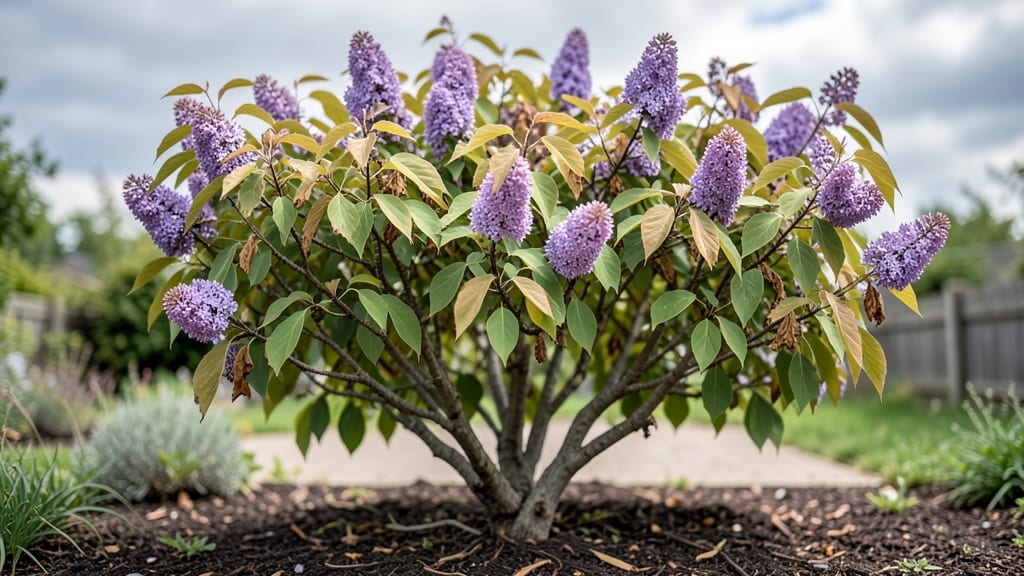
Autumn's the perfect time to give your lilac tree a strategic haircut—lilac tree in autumn pruning sets the stage for next year's showstopping blooms while keeping the plant healthy through winter. ✂️ I learned this the hard way when my overgrown lilac nearly missed spring growth after a late prune last October.
The key is timing: wait until after the leaves turn yellow but before the first hard frost, usually between late October and mid-November in most climates.
What makes autumn pruning different? You're not just shaping the tree—you're encouraging strong new growth for next season while removing dead or crossing branches that could harbor pests.
Grab your pruners, gloves, and a bucket for clippings (they make great mulch), and focus on thinning out crowded stems to improve airflow. This simple 30-minute task prevents winter damage and ensures those fragrant purple spikes return even more vibrantly next spring.
The real magic happens in how your lilac responds: new shoots emerge in early spring, and the tree develops a stronger root system over winter. You'll notice fewer browned leaves in autumn too—pruning removes weak growth that would otherwise struggle through winter.
The result? A lilac that blooms earlier and more abundantly, with fewer pests and diseases to worry about.
This method works for both old-fashioned lilacs and modern varieties, though some dwarf types need lighter cuts. Just avoid heavy pruning if your tree is already stressed—think of autumn as a maintenance trim, not a drastic makeover. With this approach, your lilac will thank you with years of effortless beauty.
📚 In This Guide
- What you need
- Instructions
- Tips and common mistakes
- Wrapping up and next steps
What you need
- ● Pruning shears: Sharp, bypass-style shears (for clean cuts on smaller branches). Size: 6–8 inches (for precision).
- ● Loppers: Heavy-duty loppers (for thicker branches, ½–1½ inches in diameter). Tip: Oil the pivot point for smooth use! 💡
- ● Pruning saw: Bow saw or pruning saw for branches too thick for loppers (1½+ inches). Blade type: Crosscut for clean cuts.
- ● Gloves: Heavy-duty work gloves (cut-resistant, like mechanics’ gloves or pruning gloves).
- ● Disinfectant: 70% isopropyl alcohol or rubbing alcohol (to sterilize tools between cuts and prevent disease).
- ● Rags or paper towels: For wiping down tools and hands.
- ● Ladder: Sturdy extension ladder (if your lilac is over 6 feet tall). Safety first: Use a stable, non-slip ladder with a spotter if needed.
- ● Trash bags: Heavy-duty contractor bags (for hauling pruned branches).
- ● Hand pruners with ratchet: For easier leverage on stubborn branches.
- ● Pruning sealant: Tree wound dressing (like Tanglefoot Tree Wound Pruning Seal)—controversial but useful for large cuts (½ inch or wider).
- ● Safety glasses: Protect your eyes from debris.
- ● Knee pads: If you’ll be kneeling or crouching for extended periods.
- ● Notebook & pen: To jot down notes on cuts or tree health observations.
Step-by-step guide to autumn lilac tree pruning
Here’s how to refresh your lilac’s shape and set it up for next year’s blooms—without sacrificing its charm.
✂️ Step 1: Time Your Cuts for Optimal Growth
Prune your lilac in late autumn, after the leaves have dropped but before the ground freezes. This timing prevents late-season growth that won’t harden off before winter. I like to schedule it in November in most climates—just make sure the temperature stays above 20°F for a few days afterward.
If you missed autumn, wait until early spring (before buds swell). Pruning too late in winter exposes fresh cuts to harsh conditions, and pruning too early in spring removes next year’s flower buds entirely. Watch for the first signs of bud swell—when you see those tiny green bumps, it’s your last chance.
✂️ Step 2: Remove Dead, Diseased, or Weak Wood
Start by cutting out any branches that are dead, broken, or crossing—these compete for energy and invite pests. Use clean, sharp pruners to make cuts just outside the branch collar (the swollen area where the branch meets the trunk). This ensures the wound heals properly and reduces the risk of disease.
Look for branches with peeling bark, fungal spots, or hollow centers—these need to go. I also trim back any suckers (shoots growing from the base) to redirect the tree’s energy upward. If a branch is larger than ½ inch thick, make the cut at a 45-degree angle to shed water away from the wound.
✂️ Step 3: Thin Out Overcrowded Branches
Lilacs bloom best when they get plenty of airflow. Step back and identify branches that are rubbing against each other or growing inward toward the center. Remove one-third of the oldest stems at the base to encourage new growth while maintaining the tree’s natural shape.
Focus on thinning from the inside out—this opens up the canopy and lets sunlight reach the center. You’ll see a difference immediately: the tree will look lighter and more airy. Avoid cutting more than one-third of the total branches in a single season, or you’ll stress the lilac.
✂️ Step 4: Shape the Tree for Next Year’s Blooms
Lilacs bloom on old wood, so avoid heavy pruning that removes last year’s flower buds. Instead, lightly trim the outer growth to encourage a fuller, bushier shape. Use your pruners to shorten branches by ¼ to ⅓ if they’re leggy or overgrown, but leave at least two sets of buds on each stem.
For a more formal look, prune to create a rounded or vase-like shape. Step back often to check your progress—you want the tree to look natural, not manicured. If you’re unsure, take a photo first and sketch where you’ll make cuts. Lilacs respond well to gentle shaping, so don’t rush.
🌿 Step 5: Clean Up and Protect the Tree
After pruning, sterilize your tools with rubbing alcohol to prevent spreading disease. Collect all clippings and dispose of them in the trash (never compost diseased branches). This step is critical—leftover debris can harbor pests and fungi over winter.
Apply a 2-3 inch layer of mulch around the base (but not touching the trunk) to insulate the roots. Water deeply if autumn has been dry, and consider wrapping the trunk with burlap or tree guard if your winters are harsh. Your lilac will thank you with stronger growth and bigger blooms next spring.
Tips & tricks for perfect autumn lilac pruning
These simple strategies will help you prune your lilac like a pro—so it thrives for years to come.
Timing is Everything: The late autumn window (after leaves fall but before freezing) is non-negotiable for healthy growth. I’ve seen lilacs struggle when pruned too early in winter or too late in spring—both times stress the tree. If you’re in a warmer climate where winter temps stay above 20°F, you can extend your window slightly, but don’t wait past bud swell in spring. The goal is to give the tree time to heal before winter sets in.
Tool Preparation Matters: Your pruners need to be sharper than you think. Dull blades tear branches instead of making clean cuts, which slows healing and invites disease. Before you start, test your pruners on a small twig—if it doesn’t slice cleanly, sharpen them. I keep a small file in my toolbox just for this purpose. Also, sterilize your tools with rubbing alcohol between cuts, especially if you’re working with diseased branches. This simple step prevents cross-contamination between healthy and infected wood.
Visual Cues for Perfect Cuts: When removing branches in Step 2, look for the branch collar—the swollen area where the branch meets the trunk. Your cut should be just outside this collar, never inside it. For branches thicker than ½ inch, make a 45-degree angle cut to help water run off. Think of it like making a tiny roof over the wound—this prevents water from pooling and causing rot. I sketch a quick diagram on my notepad if I’m unsure where to cut.
Shape with Purpose: In Step 4, when shaping your lilac, remember that lilacs bloom on old wood. Every cut you make removes potential flowers for next year. That’s why I focus on removing only the leggy outer growth—never more than ¼ to ⅓ of each branch—and always leave at least two sets of buds. For a natural look, step back every few minutes and squint at the tree. If one side looks heavier, that’s your cue to trim a bit more from the opposite side. The goal is balance, not perfection.
Pro Tips for Lilac Tree In Autumn
- These simple strategies will help you prune your lilac like a pro—so it thrives for years to come.
- Timing is Everything: The late autumn window (after leaves fall but before freezing) is non-negotiable for healthy growth.
- Tool Preparation Matters: Your pruners need to be sharper than you think.
Frequently asked questions
about pruning your lilac tree in autumn—because even the most seasoned gardeners need a little clarity!When is the exact best time to prune lilacs in autumn?
The ideal window is late autumn to early winter (November–February), once leaves have fallen but before harsh freezes. Avoid pruning too early—lilacs need to harden off for winter. Pro tip: If you miss autumn, wait until late winter (just before buds swell in spring). Never prune in late spring or summer—it stresses the tree!
What if I accidentally prune my lilacs at the wrong time?
Don’t panic! A light pruning in late summer (after flowering) is better than none at all. However, avoid heavy cuts—it can stimulate tender new growth that won’t survive winter. If you’ve already pruned too late, focus on removing dead/diseased wood and wait until next autumn for full pruning.
Will pruning in autumn affect next year’s flowers?
Not if done correctly! Lilacs bloom on old wood, so pruning in autumn (after flowering) won’t reduce next year’s blooms. The key is cutting just above a bud (not into it) and avoiding over-pruning. Think of it as a reset button for healthier growth and more abundant flowers!
Can I prune lilacs in autumn if my region has early freezes?
Yes, but time it right! Prune 4–6 weeks before the first hard freeze (typically late autumn). If freezes are unpredictable, err on the side of caution—prune after the first frost but before buds swell. Pro tip: Check your USDA hardiness zone; zones 5–7 can often prune in November, while colder zones (3–4) may wait until February.
What if my lilac tree looks sad after autumn pruning?
Don’t worry—it’s normal for lilacs to look temporary bare after pruning! The tree is redirecting energy to root growth and next year’s blooms. Water deeply after pruning, and avoid fertilizing until spring. If branches look mushy or oozing sap, you may have cut too late—trim those spots and monitor for disease.
Are there alternatives if I can’t prune in autumn?
If autumn pruning isn’t feasible, late winter (just before buds break) is the next best option. For minimalists, light maintenance pruning (removing dead wood) can be done anytime. Just avoid heavy cuts—lilacs thrive on patience and timing! For overgrown trees, consider gradual pruning over 2–3 years.
Wrapping up and next steps
Autumn is the perfect time to shape your lilac tree’s future—strategic pruning now ensures vibrant blooms and a healthier plant for seasons to come.
By following the right techniques—timing, tool selection, and cut placement—you’re not just tidying up; you’re investing in year-round elegance and longevity. Whether you’re a pruning pro or a curious beginner, every snip brings your lilac one step closer to becoming a showstopper in your garden.
Ready to roll up your sleeves? Grab your shears and give your lilac the care it deserves—your future blooms will thank you! 🌿✂️