
Trees
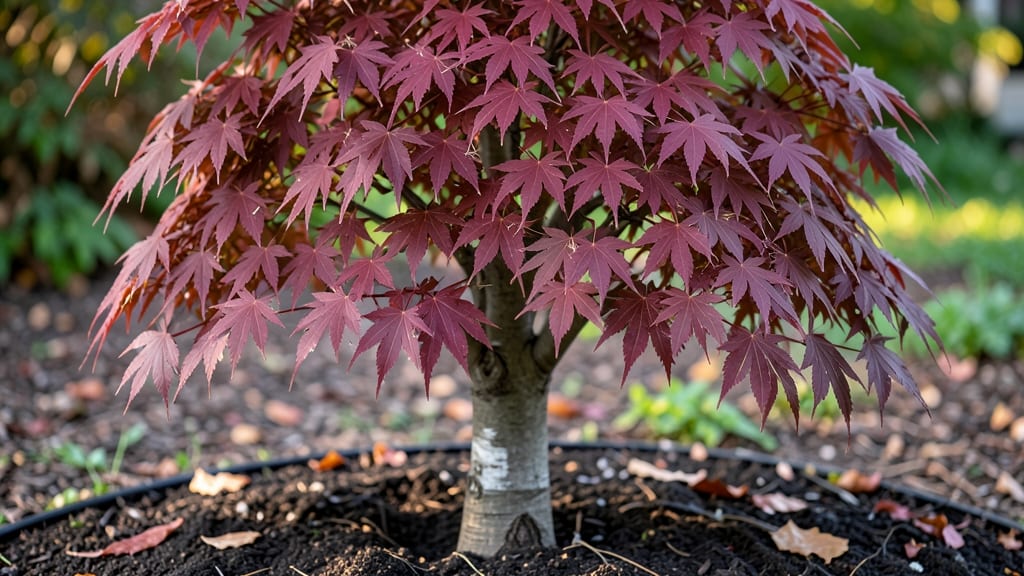
Burgundy maple leaves turn your yard into a masterpiece every fall. 🌿 These trees aren’t just autumn stars—they bring drama to your garden year-round, from spring’s fresh green to winter’s bare branches against a snowy backdrop.
The deep red foliage catches sunlight like stained glass, creating a warm glow that makes neighbors stop and stare.
Plant them where they’ll be the centerpiece—along driveways, near patios, or as a focal point in beds. Pair them with silver foliage like lamb’s ear or dusty miller to make the burgundy pop even more.
In winter, their silhouette adds structure, while spring’s new leaves offer a soft contrast to early bloomers like daffodils.
You’ll get vibrant color that lasts weeks longer than most maples, plus a tree that grows 40-60 feet tall—perfect for shade and privacy. The secret? Choose a spot with full sun to partial shade and well-drained soil. Mulch annually to keep roots happy, and watch your garden transform.
Works for formal landscapes, cottage gardens, or even urban spaces with mature roots. The best part? Their beauty doesn’t fade—it gets better with age. Let’s make your yard the talk of the neighborhood!
📚 In This Guide
- What you need
- Instructions
- Tips and common mistakes
- Wrapping up and next steps
What you need
- ● Maple Tree Seedlings: 1-3 Acer palmatum or Acer rubrum (burgundy-leaved varieties like 'Bloodgood' or 'Royal Purple').
- ● Well-draining soil: 50 lbs of a mix of topsoil, compost, and perlite (or potting soil for containers).
- ● Mulch: 2-3 bags of organic mulch (e.g., shredded bark) to retain moisture and regulate temperature.
- ● Watering can or hose: With a gentle spray nozzle for hydration.
- ● Gloves & pruning shears: Pruning shears (for shaping) and a pair of gardening gloves for safety.
- ● Fertilizer: Slow-release granular fertilizer (e.g., 10-10-10) for nutrient boosts.
- ● Decorative accents: Garden stakes, pebbles, or solar-powered lights for a polished look.
- ● Container garden supplies: Large pots (15+ gallons) with drainage holes if planting in containers.
- ● Leaf preservation kit: For drying or pressing leaves (e.g., silica gel or a leaf press).
How to grow and care for maple trees with stunning burgundy leaves
Here's my foolproof method for cultivating maples with those breathtaking deep-red autumn leaves that stay vibrant all season.
🌱 Step 1: Choose the Right Maple Variety for Your Climate
For true burgundy foliage, select cold-hardy varieties like 'Royal Purple' or 'October Glory' that thrive in USDA zones 4-8. These types develop their richest colors when planted in full sun to partial shade—at least 6 hours of direct light daily—but with afternoon shade in hotter climates.
I always check the mature height of the variety before planting. 'Royal Purple' stays around 25-35 feet tall, perfect for medium-sized yards, while 'October Glory' grows 40-50 feet and needs more space. Plant in well-draining soil with a slightly acidic pH (6.1-6.5)—maples hate soggy roots.
🪴 Step 2: Plant at the Right Time and Depth
Spring or early fall planting gives roots time to establish before extreme temperatures. Dig a hole twice as wide as the root ball but only as deep as the container's base. Amend the native soil with 2-3 inches of compost mixed into the bottom of the hole to encourage root spread.
Position the tree so the top of the root ball sits 1-2 inches above ground level—this prevents water from pooling around the trunk. Backfill with native soil, tamping gently to remove air pockets. Water immediately after planting to settle the soil and eliminate gaps.
☀️ Step 3: Provide Proper Watering and Mulching
Newly planted maples need 1-2 inches of water weekly for the first two years. Check soil moisture by pushing your finger 2 inches deep—if it feels dry, water deeply. Avoid overhead sprinklers that can spread fungal diseases; instead, use a soaker hose at the base.
Apply 3-4 inches of mulch (wood chips or shredded bark) around the tree, keeping it 6 inches away from the trunk. Replenish mulch annually to maintain moisture and suppress weeds. This is where many gardeners go wrong—too much mulch suffocates roots, while too little lets weeds compete for nutrients.
✂️ Step 4: Prune for Health and Vibrant Foliage
Prune maples in late winter or early spring before buds swell, removing only dead, diseased, or crossing branches. Use clean, sharp tools to make cuts at a 45-degree angle just outside the branch collar. Never leave stubs—this invites decay.
For burgundy leaves, avoid heavy pruning that stresses the tree. Focus on opening the canopy to improve air circulation, which enhances fall color. I prune mine lightly each year, removing no more than 25% of the foliage—this keeps the tree's energy focused on vibrant leaf production.
🌿 Step 5: Protect Against Common Pests and Diseases
Watch for aphids, spider mites, or scale insects that can dull leaf color. Treat infestations early with a strong spray of water or insecticidal soap. Japanese beetles love maples—handpick them in the morning when they're sluggish, or use neem oil as a preventative.
Fungal diseases like anthracnose cause leaf spots and early leaf drop. Improve airflow with proper spacing and pruning, and avoid overhead watering. If you notice brown spots, remove affected leaves and apply a copper fungicide. Healthy trees with proper care rarely develop serious issues.
Tips & tricks for perfect maple tree burgundy leaves
Want those showstopping burgundy leaves that make your yard the envy of the neighborhood? These are the secrets I've learned after years of growing my own stunning maples.
Variety Selection Matters: The 'Royal Purple' and 'October Glory' varieties aren't just pretty—they're specifically bred for that deep burgundy color. If you're in a hotter climate (zones 7-8), go for 'October Glory'—it handles heat better while still delivering those rich autumn hues. I've seen people plant regular maples expecting burgundy leaves, only to be disappointed when they turn green. Stick to the proven varieties!
Planting Depth Secret: That 1-2 inch elevation above ground level isn't just about drainage—it's about preventing girdling. When roots grow against buried soil, they can strangle the trunk over time. I've seen trees planted too deep develop weak trunks that split during storms. Use a level to check the root flare is just above soil level after planting. This small detail makes all the difference for long-term tree health.
Watering Wisdom: Those first two years are critical for establishing strong roots that support vibrant foliage. The 1-2 inches weekly is a minimum—if you're in a hot, dry summer, you might need twice that. I water mine in the morning so the leaves have all day to dry, preventing fungal issues. And here's what nobody tells you: check soil moisture at 2 inches deep, not just the surface. The top inch can be dry while roots are still happy!
Pruning Precision: That 25% limit isn't arbitrary—it's about maintaining the tree's energy balance. When you remove more than a quarter of the foliage, the tree diverts energy to healing instead of producing those stunning burgundy leaves. I prune in late winter when the tree is dormant, but I always make sure to sterilize my tools between cuts to prevent spreading disease. A 45-degree angle cut just outside the branch collar is cleaner than you'd think—it actually helps water bead off the leaves!
Pro Tips for Maple Tree Burgundy Leaves
- Want those showstopping burgundy leaves that make your yard the envy of the neighborhood?
- Variety Selection Matters: The 'Royal Purple' and 'October Glory' varieties aren't just pretty—they're specifically bred for that deep burgundy color.
- Planting Depth Secret: That 1-2 inch elevation above ground level isn't just about drainage—it's about preventing girdling.
Frequently asked questions
Got questions about those breathtaking maple tree burgundy leaves? You’re not alone! Here are some of the most common queries—plus answers to help you make the most of this autumnal beauty.
When do maple trees typically turn burgundy?
Timing depends on your climate, but most maple trees with burgundy leaves (like Acer palmatum or Acer rubrum) peak in late September to early November. Cooler nights and crisp air trigger the color change. In warmer zones, expect a slightly delayed show.
Why aren’t my maple leaves turning burgundy this year?
Several factors can delay or dull the color: stress (drought, pests, or poor soil), over-fertilization (too much nitrogen), or unpredictable weather (sudden heat waves). Check for yellowing leaves (a sign of stress) and adjust care—water deeply but infrequently, and avoid heavy fertilizer.
Can I use burgundy maple leaves for fall decorations?
These leaves are perfect for wreaths, garlands, or dried arrangements. Harvest them on a dry day, lay flat between paper towels to press, and let dry for 1–2 weeks. For instant use, scatter fresh leaves on tables or string them into rustic centerpieces. Pro tip: Mix with goldenrod or pinecones for contrast!
Are burgundy maple leaves toxic to pets?
While maple leaves themselves aren’t toxic, dried or decaying leaves can harbor mold (like Aspergillus) or pests, which may bother pets. If your furry friend nibbles fallen leaves, monitor for vomiting or lethargy. Opt for pet-safe alternatives like mulch or gravel in high-traffic areas.
What’s a good alternative if I can’t grow a burgundy maple?
No space for a maple? Try these burgundy-leaved plants:
- Japanese maple (Acer palmatum) – Compact and elegant.
- Smoke tree (Cotinus coggygria) – Fuzzy foliage with deep red hues.
- Sweetgum (Liquidambar styraciflua) – Star-shaped leaves in fiery reds.
- Viburnum (Viburnum dentatum) – Low-maintenance shrub with burgundy tones.
Wrapping up and next steps
The maple tree with burgundy leaves isn’t just a fleeting autumn spectacle—it’s a year-round investment in beauty and curb appeal. Whether you’re drawn to its fiery fall foliage, sturdy structure, or low-maintenance charm, this tree promises to elevate any landscape with minimal effort. Now’s the perfect time to act!
Ready to bring this stunning shade into your yard? Start by researching local nurseries or trusted online retailers to find the ideal cultivar for your climate. With the right care, your burgundy maple will reward you with decades of breathtaking color and shade—plant today, enjoy forever! 🌿🍂