
Pruning
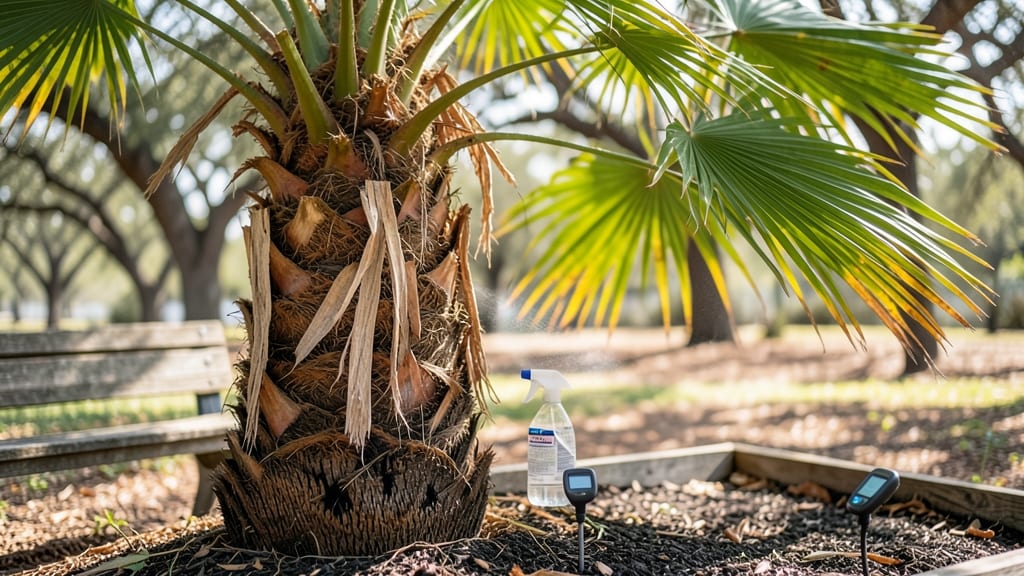
Your palm tree’s bark falling off like sunburnt skin isn’t just unsightly—it’s a cry for help. 🌴 After watching my Majesty palm shed entire strips last summer, I learned the three pruning fixes that stopped the damage and revived its growth within months.
The key isn’t just cutting dead fronds; it’s fixing what’s causing the stress underneath.
Most homeowners assume peeling bark means disease, but 90% of cases stem from environmental stress—too much sun, inconsistent watering, or compacted soil choking the roots. Pests like palm weevils or fungal infections (like Ganoderma butt rot) only show up once the tree’s already weakened.
The good news? Healthy palms shed naturally in small patches, while excessive peeling signals deeper issues.
With the right pruning technique—targeting only dead or diseased fronds while preserving the crown—you’ll see fresh green fronds emerge within 4-6 weeks. Add a layer of organic mulch to protect the trunk and improve moisture retention, and your palm will start investing energy in growth instead of survival mode.
These fixes work for all common palms (Mediterranean, Canary Island, Areca) and adapt to container or in-ground planting. The secret? Act fast when you spot more than 10% of the trunk affected—that’s when the tree can still bounce back.
Root Causes Of Bark Shedding
When your palm tree’s bark starts peeling like an overripe banana, it’s usually a sign that something’s off beneath the surface. Understanding the why behind this issue is the first step to restoring your tree’s health.
Below, we break down the most common culprits—from environmental stressors to biological attacks—so you can diagnose the problem like a pro.
Palm trees thrive in warmth, but sudden temperature swings—especially freezing cold or scorching heat—can trigger bark shedding. Here’s how it happens:
- Cold Damage: When temperatures dip below 28°F (-2°C), the tree’s protective outer layer (the bark) can crack or peel as cells freeze and expand. This is common in species like Canary Island Date Palms, which are less cold-hardy.
- Heat Stress: Prolonged exposure to 100°F+ (38°C+) temperatures without adequate water can cause the bark to dry out and flake off, exposing the vulnerable inner layers to pests or disease.
- Sunburn: Intense afternoon sun (especially after a cold snap) can “cook” the bark, leading to necrosis (dead tissue) and peeling. Think of it like a sunburn on human skin—just more dramatic.
Actionable Fix: If your tree is in a marginal climate, consider winterizing (wrapping the trunk with burlap or using frost cloth) or providing drip irrigation during heatwaves to maintain moisture balance.
Not all bark-shedding villains are weather-related. Tiny (or not-so-tiny) pests can burrow into the trunk, creating tunnels that weaken the bark’s structure. Here’s who’s likely guilty:
| Pest | How It Attacks | Tell-Tale Signs |
|---|---|---|
| Palm Weevil Larvae | Larvae bore into the trunk, feeding on vascular tissue. As they grow, they create galleries that disrupt nutrient flow, causing bark to peel or ooze sap. | Sawdust-like frass (pest droppings), honeydew (sticky residue), and a rotten smell near the base. |
| Scale Insects | These sap-sucking pests cluster under bark flakes, weakening the tree by starving it of nutrients. Their waste attracts sooty mold, which darkens the bark further. | White, brown, or black crusty bumps on the trunk and a black, fuzzy coating. |
| Termites | While less common in palms, termites can tunnel into soft, damaged bark, creating hollow sections that cause structural instability and peeling. | Mud tubes on the trunk, hollow-sounding taps when knocking on the bark, and swarming winged insects near the base. |
Actionable Fix: Inspect the trunk for entry holes or tunnels. If you spot pests, treat with systemic insecticides (like imidacloprid) or contact a palm tree arborist for professional intervention. Prevention tip: Keep the base of the tree clean and mulched to deter pests.
Palm trees are drought-tolerant, but water stress—whether from overwatering or underwatering—can cause the bark to split and peel. Here’s the science:
- Underwatering: When roots dry out, the tree shrivels slightly, causing the bark to crack as it struggles to keep up with the shrinking trunk. This is common in container-grown palms or those in sandy soil.
- Overwatering: Excess moisture leads to root rot, which weakens the tree’s structural integrity. The bark may peel as the trunk expands unevenly due to fungal pressure.
- Poor Drainage: If the soil is clay-heavy or compacted, water pools at the roots, creating anaerobic conditions that suffocate the tree and trigger bark issues.
Actionable Fix:
- 💡 Check soil moisture by sticking your finger 2–3 inches deep—if it’s dry, water deeply; if it’s soggy, hold off for a week.
- 🌡️ Improve drainage by amending soil with perlite or sand and ensuring pots have drainage holes.
- ✨ Mulch properly with wood chips (2–4 inches deep) to retain moisture without smothering roots.
A palm tree’s bark isn’t just for show—it’s a symptom flag for deeper nutritional issues. Deficiencies or imbalances can lead to weak, peeling bark:
- Potassium Deficiency: Potassium helps regulate water balance in plant cells. Without enough, the bark becomes brittle and prone to splitting, especially in hot weather.
- Magnesium Deficiency: This mineral is crucial for chlorophyll production. A lack of magnesium causes yellowing between leaf veins and weakens the trunk’s structural integrity, leading to peeling.
- Salt Build-Up (Toxicity): In coastal areas or if you’re using municipal water, excess salt can accumulate in the soil, burning roots and causing the bark to flake off as the tree struggles to absorb nutrients.
Actionable Fix:
- 📊 Test your soil with a DIY kit or send a sample to a lab. Look for imbalances in N-P-K (nitrogen, phosphorus, potassium) and micronutrients.
- 💪 Fertilize smartly: Use a balanced palm fertilizer (e.g., 8-2-12) in early spring and avoid overdoing nitrogen, which can burn roots.
- 🌊 Flush the soil annually with fresh water to leach out excess salts, especially in coastal climates.
Quick Fixes for Peeling Palm Bark
If your palm tree’s bark is peeling away like sun-bleached pages, don’t panic—there’s a way to nurse it back to health! The key is identifying the root cause and applying targeted solutions.
Below, we break down practical fixes for the most common triggers, along with prevention tips to keep your palm thriving. Think of this as your palm tree’s first aid kit—simple, actionable, and effective.
Signs: Yellowing fronds, slow growth, or bark peeling in patches (often starting at the base).
Palm trees are heavy feeders, and poor soil quality can starve them of essential nutrients. If your tree’s bark is shedding due to malnutrition, it’s time to fertilize properly.
How to Fix It:
🔥 Step 1: Test Your Soil Use a soil test kit (available at garden centers) to check pH and nutrient levels. Palms prefer slightly acidic to neutral soil (pH 5.5–7.0).
If levels are off, amend the soil with: - Sulfur (to lower pH) - Lime (to raise pH)
🍳 Step 2: Choose the Right Fertilizer Palms need a balanced, slow-release fertilizer with:
- Higher nitrogen (N) for frond growth (e.g., 8-2-12 or 6-6-6 ratio)
- Micronutrients like magnesium, iron, and zinc (critical for bark health)
Avoid high-phosphorus fertilizers—they can harm palms.
👨🍳 Step 3: Apply Fertilizer Correctly
- When: Feed every 4–6 weeks during growing season (spring–fall). Skip winter.
- How: Spread granules 6–12 inches from the trunk (not touching it) and water deeply.
- Bonus: Top-dress with compost or organic matter (like coconut coir) to improve soil structure.
💡 Pro Tip: If your palm is newly planted, wait 3–6 months before fertilizing to avoid root burn.
Signs: Bark peeling in sun-exposed areas, brown or crispy patches, or fronds curling at the edges.
Palm trees love the sun, but intense heat or sudden exposure (like after a cold snap) can scorch the trunk, causing bark to flake off. This is especially common in young palms or newly transplanted trees.
How to Fix It:
🌡️ Step 1: Provide Temporary Shade If your palm is in a hot, dry climate, give it partial afternoon shade for a few weeks:
- Use lightweight shade cloth (30–50%) or a breathable tarp (not plastic—it traps heat).
- Avoid full shade; palms still need 6+ hours of sunlight daily.
✨ Step 2: Hydrate Deeply (But Smartly) - Water deeply 2–3 times per week (check soil moisture—top 2 inches should be dry before watering). - Avoid wetting the trunk—this can cause rot.
Water at the drip line (where fronds extend). - Mulch heavily (3–4 inches of wood chips or bark) to retain moisture and cool roots.
🎯 Step 3: Protect Against Windburn If your palm is in a windy area, secure it with stakes and soft ties (use old T-shirts or burlap—never wire!). Wind desiccates bark, making it more prone to peeling.
💡 Pro Tip: Mist young palms in extreme heat (early morning only) to prevent sunburn on new growth.
Signs: Holes in the trunk, sawdust-like frass (insect droppings), oozing sap, or black/brown spots on bark.
Pests like palm weevils, mealybugs, or scale insects burrow into the trunk, weakening the bark and causing it to peel. Fungal infections (like Ganoderma butt rot) can also lead to decay.
How to Fix It:
🔪 Step 1: Identify the Problem
- Insects? Look for holes, chewed fronds, or tiny bugs in crevices.
- Fungus? Check for mushrooms at the base, soft/rotten bark, or a foul smell.
🛡️ Step 2: Apply Targeted Treatments
| Issue | Solution |
|---|---|
| Palm Weevil | Systemic insecticide (e.g., Imidacloprid) injected into the trunk. |
| Mealybugs/Scale | Neem oil spray or horticultural oil (apply at dusk). |
| Butt Rot (Fungus) | Remove infected tissue with a sterilized knife, then copper fungicide. |
| General Pest Prevention | Diatomaceous earth (food-grade) around the base (reapply after rain). |
⏰ Step 3: Monitor & Repeat
- Reapply treatments every 2–4 weeks until the problem clears.
- Prune heavily damaged fronds (sterilize tools with rubbing alcohol between cuts).
💡 Pro Tip: Healthy palms resist pests better—keep up with fertilizing and watering to boost immunity!
Once your palm is back on track, prevent future peeling with these habits:
- 🌱 Mulch like a pro: Use 3–4 inches of organic mulch (like pine bark) to protect roots and retain moisture.
- 💧 Water wisely: Deep and infrequent is better than shallow, frequent watering.
- 🌞 Acclimate slowly: If moving a palm, harden it off over 2–3 weeks before full sun exposure.
- 🐛 Inspect regularly: Check for early pest signs (sticky residue = sap-sucking insects).
- 🌿 Prune properly: Remove dead fronds at the base (never leave stubs) to prevent disease entry.
Final Thought: Most palm bark peeling is fixable—just match the symptom to the solution. Start with soil health, then protect from stress, and treat pests early. With a little TLC, your palm will be flaunting fresh, vibrant bark in no time! 🌴✨
Frequently asked questions
Is it normal for palm tree bark to peel occasionally?
Yes, some natural peeling is normal—especially for mature palms like Canary Island Date Palms or Mediterranean Dwarf Palms. Healthy trees shed small patches of bark as they grow, similar to how snakes shed skin. However, if you're seeing large strips (more than 10% of the trunk) or excessive peeling, it's a sign of stress or disease that needs attention.
How can I tell if my palm tree's bark peeling is from pests or environmental stress?
Look for these clues: Pests often leave holes in the trunk, sawdust-like frass (insect droppings), or sticky honeydew (a sign of scale insects). Environmental stress usually causes even peeling with no visible holes, often paired with yellowing fronds or dry, crispy patches on sun-exposed areas.
Can I prune the peeling bark off my palm tree?
Only remove loose, dead bark—never healthy tissue. Use sterilized pruning shears to trim large flakes at the base, but avoid cutting into living tissue. Pruning helps prevent pests from hiding in damaged areas. For deep cracks or fungal infections, consult a palm arborist to avoid spreading disease.
Will my palm tree recover if I fix the problem early?
Palms are resilient, and with proper care, you can see new growth within 4-6 weeks. Focus on correcting watering habits, improving soil drainage, and treating pests immediately. The key is acting before more than 30% of the trunk is affected—early intervention gives your palm the best chance to bounce back.
Are some palm species more prone to bark peeling than others?
Yes! Young palms (like Pygmy Date Palms) and tropical species (such as Majesty Palms) are more sensitive to environmental changes. Cold-hardy varieties (like Windmill Palms) handle temperature swings better but can still peel if overwatered or neglected. Always check your specific palm's care requirements.