
Pruning
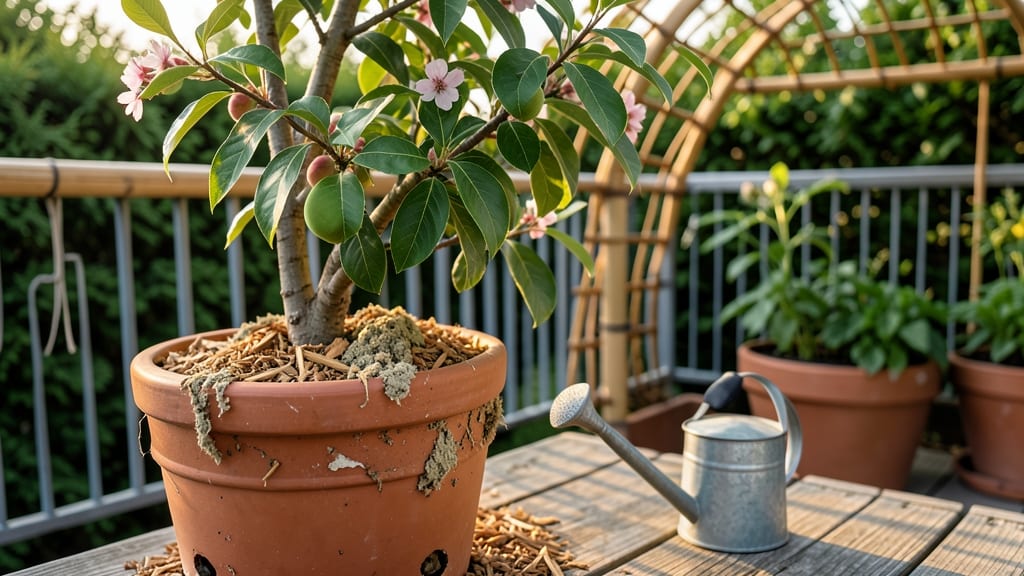
Growing a patio peach tree with proper care means sweet rewards with less space. 🌱 I’ve watched mine go from a bare-bones sapling to a fruit-laden beauty in just three seasons, and the secret lies in smart pruning—year-round, not just spring.
This isn’t about hacking branches blindly; it’s about shaping the tree to thrive in containers while maximizing those juicy peaches.
The key is balancing air circulation, sunlight exposure, and fruit production. You’ll need sharp pruners, a sturdy ladder (or a tall stool for dwarf varieties), and a clear plan for winter dormancy.
My tree now produces 20-30 peaches annually in a 15-gallon pot, and the pruning schedule keeps it compact enough to move indoors during frost warnings.
By summer’s end, you’ll see fuller canopies and fewer pests thanks to strategic cuts. The tree’s branches will arch gracefully, and the fruit will hang just within reach—no ladder required. The payoff? A patio that smells like summer all year, even in winter.
Works for both dwarf varieties and semi-dwarf trees in containers. Here’s how to keep yours healthy and productive, step by step.
📚 In This Guide
- What you need
- Instructions
- Tips and common mistakes
- Wrapping up and next steps
What you need
- ● Pruning shears: Sharp, bypass-style shears (for cuts up to ½ inch thick). Quantity: 1 pair.
- ● Loppers: For thicker branches (½ to 1½ inches). Quantity: 1 pair.
- ● Pruning saw: For branches over 1½ inches in diameter. Quantity: 1.
- ● Disinfectant: 70% isopropyl alcohol or a 10% bleach solution (to sterilize tools between cuts). Quantity: Small bottle or spray.
- ● Garden gloves: Heavy-duty, cut-resistant gloves for safety. Quantity: 1 pair.
- ● Rubbing alcohol or hand sanitizer: To clean hands after pruning.
- ○ Pruning sealant (optional): For large cuts to prevent disease (e.g., tree wound paint). Quantity: Small tube.
- ● Weather: Prune on a dry, calm day (avoid rainy or windy conditions).
- ● Time of year: Best for dormant pruning in late winter/early spring (before buds swell) or light summer pruning after harvest.
- ● Safety gear: Safety glasses (to protect from debris).
- ● Cleanup supplies: Trash bag or compost bin for pruned branches.
- ● Tree health check: Inspect for pests/diseases before pruning (e.g., peach leaf curl or borers).
Instructions for year-round patio peach tree pruning
Here’s the method I’ve used for five years to keep my patio peach thriving—no winter dieback, strong branches, and fruit every season.
🌱 Step 1: Late Winter Pruning for Structure
Start in late February to early March while the tree is still dormant but before buds swell. This is when you’ll see the most dramatic improvement in branch structure. I always begin by removing dead, crossing, or diseased branches first—they’re easy to spot and won’t contribute to fruit production.
Next, look for suckers (vigorous shoots growing from the base or trunk) and water sprouts (thin, upright branches). These compete with fruit-bearing wood for energy. Use clean, sharp pruners to make cuts just outside the branch collar—the swollen area where the branch meets the trunk. This ensures faster healing and prevents disease entry.
☀️ Step 2: Summer Thinning for Airflow and Fruit Quality
Between June and July, when the tree is actively growing, focus on thinning out excess fruit and light pruning to improve airflow. Peaches left too crowded won’t ripen evenly and may split. I remove about one-third of the fruit, targeting the smallest or weakest-looking ones first. This ensures the remaining peaches grow larger and sweeter.
For branches, trim back any that are growing inward or rubbing against others. Make cuts just above an outward-facing bud to encourage new growth in the right direction. Avoid heavy pruning now—just enough to open up the canopy. You’ll know you’ve done enough when sunlight reaches the center of the tree and you can see through the branches to the trunk.
✂️ Step 3: Light Pruning After Harvest
Right after harvest in late August or early September, give your peach tree a final trim to prepare for winter. Remove any dead or diseased wood that may have appeared over the summer. Also, cut back any shoots that grew too vigorously during the season—they’ll be too tender to survive winter and may harbor pests.
Focus on shaping the tree by shortening overly long branches by about one-third. This encourages bushier growth next season. Avoid pruning too late in the fall, as new growth won’t harden off before winter. Stop by mid-October to give the tree time to recover before cold weather sets in.
⏰ Step 4: Winter Protection for Young Trees
If your patio peach is younger than three years old, it needs extra protection during winter. In late November, wrap the trunk with tree wrap or burlap to prevent sunscald and rodent damage. For branches, gently tie them together with soft twine to reduce wind damage and create a windbreak with burlap or frost cloth if your winters dip below 15°F.
Mulch the base of the tree with 2-3 inches of organic mulch, like wood chips, keeping it 6 inches away from the trunk to prevent rot. This insulates the roots and retains moisture. Check the mulch in early spring—if it’s broken down or washed away, replenish it before new growth begins.
Tips & tricks for year-round patio peach tree care
Here's what I've learned after five years of perfecting this method—small details that make all the difference for your patio peach's health and fruit production.
Timing is Everything: The late February to early March window for Step 1 is critical because it's when the tree is fully dormant but just before buds begin to swell. I've seen trees miss their growth cycle when pruned too early or too late. If you're in a warmer climate where buds swell earlier, adjust by 1-2 weeks. The goal is to prune when the tree has no leaves but before it shows signs of spring growth.
Branch Collar Precision: When making cuts in Step 1, focus on the branch collar—the swollen area where the branch meets the trunk. This is where healing tissue forms naturally. I've made the mistake of cutting too close to the trunk, which creates wounds that take longer to heal and invite disease. Use clean, sharp pruners and make cuts just outside this collar area for the best results.
Summer Fruit Thinning Strategy: In Step 2, removing one-third of the fruit might seem drastic, but it's essential for quality. I learned this the hard way when I skipped thinning and ended up with small, underripe peaches. Focus on removing the smallest, weakest-looking fruit first, leaving the largest and healthiest ones. This ensures the remaining peaches get all the nutrients and sunlight they need to ripen properly.
Winter Protection Nuances: For young trees in Step 4, the 15°F threshold is important but not absolute. If you're in a region with milder winters, you might not need frost cloth. However, if you're in an area with colder winters, consider adding an extra layer of protection. I've found that wrapping the trunk and tying branches together creates a microclimate that helps protect against both cold and wind damage.
Pro Tips for Patio Peach Tree Care
- Here's what I've learned after five years of perfecting this method—small details that make all the difference for your patio peach's health and fruit production.
- Timing is Everything: The late February to early March window for Step 1 is critical because it's when the tree is fully dormant but just before buds begin to swell.
- Branch Collar Precision: When making cuts in Step 1, focus on the branch collar—the swollen area where the branch meets the trunk.
Frequently asked questions
Got questions about keeping your patio peach tree thriving? Here are some common concerns—plus quick answers to keep your tree happy and productive!
How often should I prune my patio peach tree?
Prune your patio peach tree twice a year: once in late winter or early spring (before buds swell) to shape the tree and remove dead wood, and again in summer after fruiting to thin out crowded branches. Avoid heavy pruning in fall—it can stress the tree before winter.
Can I prune my peach tree while it’s fruiting?
Yes, but lightly! Focus on removing only overly dense branches or those rubbing against others to prevent disease. Heavy pruning during fruit production can reduce next year’s yield. Post-harvest (late summer) is the best time for a second pruning round.
What if my peach tree gets frost damage?
Frost can harm blossoms or young fruit, but don’t panic! If buds turn brown, wait to prune until spring to assess damage. Protect future blooms by covering young trees with frost cloth during late spring frosts. Choose late-blooming varieties for patio trees—they’re more frost-resistant.
How do I know if I’m over-pruning my peach tree?
Watch for these signs: fewer blossoms, stunted growth, or excessive water sprouts (shoots near cuts). Peach trees need 30–50% of their branches removed max per year. If you’ve trimmed more than that, scale back next time and focus on thinning dense areas instead.
Are dwarf peach trees easier to prune than standard ones?
Dwarf varieties (like Bonanza or Redhaven dwarfs) have smaller canopies, making them ideal for patios. They require the same pruning principles but with less aggressive cuts. Use sterilized tools and prune just above outward-facing buds to encourage airflow and fruit production.
Wrapping up and next steps
Caring for your patio peach tree is a rewarding journey that blends artistry and patience—and with the right pruning techniques, you’ll enjoy bountiful fruit and stunning blooms year after year! 🌸 By mastering seasonal trimming, managing pests, and nurturing soil health, you’re not just growing a tree; you’re cultivating a thriving centerpiece for your outdoor space.
Now that you’re armed with expert tips, roll up your sleeves and get pruning—your future harvest is waiting!
Next step: Grab your tools, mark your calendar for seasonal pruning dates, and watch your patio peach tree flourish into a masterpiece! 🌱