
Leaf Blower
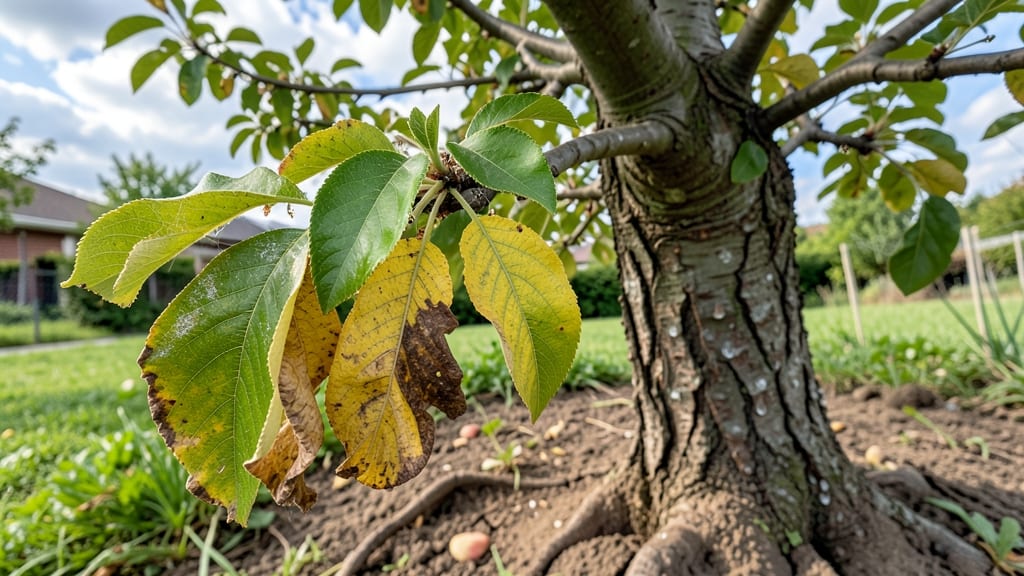
When the peach tree leaf wilt strikes and your tree’s leaves suddenly droop and turn yellow, panic sets in—but there’s hope. 🌿 I’ve nursed back multiple trees from this exact problem, and the fixes are simpler than you’d think.
The key is identifying whether it’s disease, pests, or environmental stress, then acting fast before the whole canopy turns brown.
Most cases boil down to three culprits: fungal infections like peach leaf curl, sucking pests such as aphids, or simple watering mistakes.
I’ll walk you through how to tell them apart—just check the undersides of leaves for pests, look for curled edges (leaf curl), or test soil moisture with your finger. A quick fix often means pruning affected branches, adjusting water, or applying the right spray.
By the end, you’ll have a plan to revive your tree in 2-3 weeks—no guesswork. The best part? Many solutions use stuff you already have in the garage or garden shed. Let’s get those leaves perky again without breaking the bank.
Here’s the thing—peach trees are tougher than they look. I’ve seen them bounce back from 80% leaf loss with the right care. Start by watering deeply once a week (unless it’s raining) and avoid overhead sprinklers, which spread fungal spores.
If pests are the issue, a strong spray of water or neem oil usually does the trick—no harsh chemicals needed.
For fungal diseases like leaf curl, prune out infected branches in late winter before new growth starts. Then apply a copper fungicide as buds swell. The goal is to stop the spread before it reaches the fruit.
And if your tree’s soil is compacted or dry, aerate it and add compost—healthy roots mean stronger leaves.
When in doubt, act fast. If more than half the tree is affected or the trunk shows signs of borer holes, call an arborist before the damage spreads. But in most cases, you’ll see improvement within 7-10 days of proper care.
The secret? Consistency—don’t skip treatments, and monitor your tree weekly until the foliage thickens back up.
Root Causes Behind Leaf Wilt
Understanding why your peach tree’s leaves suddenly wilt is the first step to saving them. Wilting isn’t just a sign of stress—it’s your tree’s way of screaming for help. Let’s break down the most common culprits behind this distressing symptom, explained in clear, actionable terms.
Peach trees are sensitive to moisture imbalances, and both overwatering and drought can trigger wilting. Here’s how it happens:
- Overwatering (Root Suffocation): Peach trees thrive in well-draining soil, but soggy conditions suffocate roots by cutting off oxygen. When roots can’t absorb water efficiently, leaves lose turgor pressure (the internal water pressure that keeps them rigid) and wilt.
Over time, this leads to root rot, a fungal infection that’s often fatal. - Signs: Yellowing leaves, mushy stems, or a foul smell at the base. - Fix: Let the top 2–3 inches of soil dry out between waterings. Improve drainage with organic matter (like compost) or raised beds.
- Underwatering (Dehydration): Peach trees need 1–2 inches of water per week (more in extreme heat).
When soil dries out, roots struggle to pull up moisture, causing leaves to droop and curl as they conserve water. - Signs: Crispy leaf edges, soil pulling away from the pot (if potted), or leaves that stay wilted even after watering. - Fix: Water deeply at the base of the tree (not the leaves) in the early morning.
Mulch with wood chips to retain moisture.
Peach trees are hardy but not heat-proof. When temperatures spike or drop suddenly, leaves wilt as a protective response. Here’s the science:
- Heat Stress: High temperatures (above 90°F/32°C) cause stomatal closure—tiny pores on leaves shut down to prevent water loss. While this conserves moisture, it also stops photosynthesis, leading to wilting.
Prolonged heat weakens the tree, making it vulnerable to pests. - Signs: Wilting that worsens in the afternoon, leaf scorch (brown edges), or leaves that feel dry and papery. - Fix: Provide afternoon shade (use shade cloth if needed) and water at the root zone (not overhead).
Avoid fertilizing during heatwaves—it stresses the tree further.
- Cold Shock (Late Frosts or Freezing): Peach trees are dormant in winter, but a sudden cold snap can damage leaves by rupturing cell walls.
This disrupts water uptake, causing wilting even if roots are healthy. - Signs: Blackened or mushy leaves, wilting that spreads rapidly after a freeze. - Fix: Cover young trees with frost blankets during late spring frosts. Plant in a location sheltered from wind.
Pathogens like bacterial leaf spot or powdery mildew thrive in humid conditions, clogging leaf pores and disrupting water flow. Here’s how infections trigger wilting:
- Bacterial Leaf Spot (Xanthomonas campestris): This bacteria blocks water transport in leaf veins, causing wilting, yellowing, and dark spots with water-soaked centers.
It spreads via splashing water or tools. - Signs: Small, greasy spots that enlarge; wilting in patches (not uniform). - Fix: Prune infected leaves and sterilize tools with rubbing alcohol. Space trees for airflow and avoid overhead watering.
- **Powdery Mildew (Podosphaera spp.): This fungus coats leaves with a white, powdery film, reducing photosynthesis and causing wilting.
It loves shady, humid** conditions. - Signs: White residue on leaves, wilting that starts on lower branches. - Fix: Apply neem oil or baking soda spray (1 tsp baking soda + 1 quart water + a drop of dish soap). Prune for better airflow.
- Verticillium or Fusarium Wilt: These soil-borne fungi invade roots and block water transport in the xylem (the tree’s plumbing system).
Wilting often starts on one side of the tree and spreads. - Signs: Sudden wilting (even when soil is moist), yellowing leaves, or stunted growth. - Fix: Remove infected trees immediately (these fungi persist in soil). Plant resistant varieties in the same spot.
Pests like aphids, spider mites, or peach tree borers weaken trees by sapping nutrients or chewing leaves, forcing the tree to divert energy to recovery—leaving leaves wilted.
- Aphids & Spider Mites: These tiny insects pierce leaves to feed on sap, causing stippling (tiny white/yellow dots) and wilting. They also spread viruses.
- Signs: Curled, sticky (honeydew-coated) leaves; webs (for mites).
- Fix: Blast off pests with a strong water spray or use insecticidal soap.
- Peach Tree Borer (Synanthedon exitiosa): The larvae tunnel into bark, disrupting the tree’s vascular system. Infested trees wilt even when watered. - Signs: Sawdust-like frass at the base, wilting that worsens over weeks. - Fix: Prune and burn infested branches.
Apply borer traps (pheromone lures) in spring.
Even well-watered trees wilt if they’re starving for key nutrients. The most critical for peach trees:
- Potassium Deficiency: Potassium regulates water balance in cells. Without it, leaves wilt easily and develop brown edges (a condition called scorch). - Signs: Yellowing leaf margins, wilting that improves with water but returns quickly. - Fix: Apply potassium sulfate or wood ash in early spring.
Banana peels (composted) are a natural source.
- Magnesium Deficiency (Chlorosis): Magnesium is central to chlorophyll production.
A deficiency causes interveinal yellowing (leaves stay green along veins but wilt between them). - Signs: Yellow patches on older leaves; wilting in hot weather. - Fix: Sprinkle Epsom salt (magnesium sulfate) around the base (1 tbsp per gallon of water, applied monthly).
Sometimes, wilting is a direct response to injury: - Root Damage: Digging, construction, or girdling roots (roots growing in circles around the trunk) strangle water flow.
Even minor root cuts can cause wilting. - Fix: Loosen compacted soil around roots and water deeply to encourage regrowth. - Mechanical Stress: Strong winds or hail can rupture leaf cells, leading to wilting. New growth is especially vulnerable. - Fix: Stake young trees in windy areas.
Prune damaged branches to reduce stress.
Use this quick checklist to narrow down the problem:
- Check soil moisture (stick your finger 2 inches deep—dry? Water. Soggy? Drain.)
- Inspect leaves for spots, webs, or pests (use a magnifying glass).
- Look at the tree’s history—did you recently fertilize, prune, or plant it?
- Monitor timing—wilting after watering? Likely root or fungal issue. Wilting in heat? Heat stress.
Most cases of peach tree leaf wilt are reversible if caught early. The key is acting on the specific cause—not just watering blindly or hoping for the best.
Revive Your Tree with These Fixes
When your peach tree’s leaves start wilting, acting fast can save the day—and your harvest! Below, we’ve mapped out practical solutions for the most common causes of leaf wilt, along with prevention tips to keep your tree thriving.
Think of this as your step-by-step troubleshooting guide, tailored to your tree’s specific needs.
Cause: Overwatering or underwatering can both trigger wilting. Too much water suffocates roots, while too little causes dehydration.
How to Fix It:
- 🔥 Check the soil moisture by sticking your finger 2–3 inches deep. If it’s bone-dry, water deeply until it drains from the bottom. If it’s soggy, hold off on watering and let the soil dry slightly.
- 👨🍳 Improve drainage by amending the soil with compost or organic matter. Avoid clay-heavy soil—mix in perlite or sand if needed.
- 🥘 Water at the base, not overhead, to prevent fungal diseases and encourage deep root growth. Early morning is ideal to reduce evaporation.
💡 Prevention Tip: Install a drip irrigation system or soaker hose to deliver water slowly and evenly. Mulch around the base (but not touching the trunk) to retain moisture and regulate temperature.
Cause: Scorching heat or intense sunlight can cause leaves to wilt, especially in young or newly planted trees.
How to Fix It:
- 🌿 Provide shade temporarily with shade cloth (30–50% coverage) if your tree is in full sun. Move potted trees to a shadier spot during peak afternoon heat.
- 💦 Increase humidity by misting leaves lightly in the early morning (avoid evening misting to prevent fungal growth).
- 🍎 Prune strategically to improve airflow. Remove crowded or crossing branches to reduce heat buildup.
💡 Prevention Tip: Plant peach trees in partial shade if you live in a hot, dry climate. Choose varieties bred for heat tolerance, like ‘Redhaven’ or ‘Elberta.’
Cause: Diseases like leaf spot, powdery mildew, or bacterial leaf scorch can cause wilting, yellowing, and premature leaf drop.
How to Fix It:
- 🔪 Prune infected leaves/branches immediately and dispose of them in the trash (not compost). Sterilize pruners with rubbing alcohol between cuts.
- 🍳 Apply fungicide—use copper-based sprays for bacterial issues or neem oil for fungal problems. Follow label instructions for frequency.
- 🌡️ Improve air circulation by spacing trees properly (15–20 feet apart) and thinning dense foliage.
💡 Prevention Tip: Sanitize tools regularly and avoid overhead watering. Choose disease-resistant varieties like ‘Contender’ or ‘Relenta’ for better resilience.
Cause: Sap-sucking pests (aphids, spider mites, or scale insects) weaken leaves, leading to wilting and stunted growth.
How to Fix It:
- 🔥 Blast pests off with a strong stream of water (early morning works best).
- 🍳 Use insecticidal soap or horticultural oil for light infestations. For severe cases, try pyrethrin-based sprays (follow safety guidelines).
- 🌿 Introduce beneficial insects like ladybugs or lacewings to control pests naturally.
💡 Prevention Tip: Monitor regularly with a magnifying glass. Reflective mulch (like aluminum foil) can deter pests by confusing their navigation.
Cause: Poor soil health or imbalances (e.g., lack of nitrogen, potassium, or magnesium) can cause wilting and yellowing.
How to Fix It:
- 📊 Test your soil with a home kit or send a sample to a local extension office. Adjust pH if needed (peach trees prefer 6.0–7.0).
- 💪 Fertilize smartly:
- Nitrogen (for leaf growth): Use a balanced 10-10-10 fertilizer in early spring.
- Potassium (for drought resistance): Apply wood ash or a potassium sulfate supplement in late summer.
- Magnesium (for yellowing between veins): Sprinkle Epsom salt (1 tbsp per gallon of water) every 4–6 weeks.
- 🥗 Mulch with compost to slowly release nutrients into the soil.
💡 Prevention Tip: Avoid over-fertilizing—too much salt can burn roots. Follow package instructions and water thoroughly after applying fertilizer.
If your tree is critically wilted (leaves crispy, branches drooping), act fast:
- 🚨 Trim dead branches to redirect energy to healthy growth.
- 💦 Deep-water the tree immediately, even if the soil seems moist.
- 🌿 Wrap the trunk with burlap (if in extreme heat/drought) to protect it from sun scald.
- 🌱 Consider a root stimulator (like Mycorrhizal fungi) to jumpstart recovery.
Final Thought: Most wilting issues are fixable with the right care! Start by identifying the root cause, then apply the solutions above. Prevention is key—once your tree’s back in shape, stick to a consistent watering, pruning, and pest-monitoring routine to keep it thriving for years. 🌳💚
Frequently asked questions
Why do peach tree leaves wilt suddenly even when the soil looks moist?
Sudden wilting with moist soil often signals root rot or vascular diseases like Verticillium wilt. These block water transport in the tree's plumbing system. Check for mushy stems or yellowing that spreads unevenly—these are red flags. The fix? Prune affected branches and improve drainage immediately.
Can I save my peach tree if half the leaves are already wilted?
Yes! Act fast by deep-watering the base and pruning 25% of the wilted foliage to redirect energy. For fungal issues, apply copper fungicide within 48 hours. Most trees recover in 2-3 weeks if the roots are still healthy. Monitor daily for spread.
What's the difference between heat stress and fungal infection wilting?
Heat stress causes afternoon wilting that recovers at night, with crispy edges but no spots. Fungal infections show powdery residue or greasy spots, and wilting persists day/night. Test by checking leaf undersides—pests or fungal growth means disease, not heat.
Is it safe to use Epsom salt on wilted peach trees?
Yes, but only if wilting stems from magnesium deficiency (yellowing between veins). Mix 1 tablespoon Epsom salt per gallon of water and apply monthly. For other causes, it won't help—and could worsen issues like root rot. Always test soil first for accurate deficiencies.
When should I call an arborist for peach tree leaf wilt?
Seek professional help if you see oozing cankers, borer holes, or 50%+ leaf loss with no improvement after 2 weeks of care. These signs indicate advanced disease or pest infestations that require targeted treatments like systemic fungicides or borer injections.