
Trees
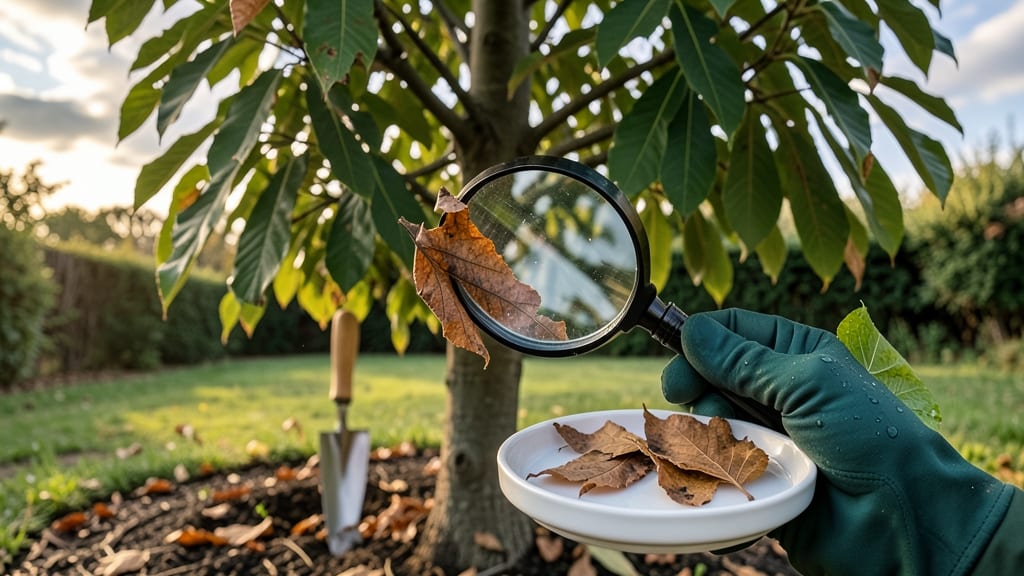
Your pecan tree’s brown leaves aren’t a death sentence—just a cry for help. 🌿 The moment I noticed my tree’s once-lush canopy turning crispy, I knew it was time to diagnose the problem before it spread.
Whether it’s fungal infections, drought stress, or hidden pests, the fix starts with identifying the why—and I’ll walk you through the three most common culprits and how to tackle them head-on.
First, check the pattern: are the brown spots fuzzy (fungus), scattered like dust (mites), or concentrated on the edges (drought)? Pecan scab leaves a telltale velvety film, while spider mites leave tiny yellow specks. Grab a magnifying glass—this is your first clue.
Then, dig deeper: is the soil bone-dry, or does it smell sour? The answers dictate whether you’ll need pruning, targeted sprays, or a good drink of water and mulch.
You’ll restore that vibrant green in weeks, not months—if you act now. Prune affected branches to improve airflow, apply the right fungicide (organic or chemical), and feed the roots with compost.
By summer’s end, your tree could be back to its full, nut-producing glory. The key? Catching it early and treating the root cause, not just the symptoms.
This works for young trees and mature giants alike—just adjust the scale. For example, drip irrigation helps drought-stressed trees, while a 2-inch layer of mulch keeps moisture locked in.
And if you’re dealing with pests, a strong spray of water (yes, really) can knock spider mites off their game before they multiply. Let’s get your pecan tree back to thriving.
Root Causes Of Leaf Discoloration
When your pecan tree’s leaves start turning brown, it’s often a cry for help—whether from environmental stress, pests, or underlying health issues. Understanding the why behind the browning is the first step to restoring your tree’s lush green canopy.
Below, we break down the most common culprits with clear, actionable explanations.
Pecan trees are hardy, but extreme or sudden changes in their environment can trigger leaf browning. Here’s what’s likely happening:
- Water Issues (Too Much or Too Little) - Overwatering: Soggy soil cuts off oxygen to roots, leading to root rot (a fungal infection).
Brown, crispy leaves often appear first on lower branches as the tree struggles to transport nutrients. Check: Stick your finger 2–3 inches into the soil—if it’s damp, you’re overdoing it. - Underwatering: Pecan trees need 1–2 inches of water per week (more in heatwaves).
Wilting, dry, and brown edges signal thirst. Fix: Deep watering 2–3 times weekly during dry spells, focusing on the drip line (the tree’s canopy edge).
- Temperature & Sun Exposure - Heat Stress: Prolonged temperatures above 95°F (35°C) can scorch leaves, causing them to turn brown and brittle.
Young trees or those in full sun without acclimation are most vulnerable. - Cold Damage: Sudden freezes (below 20°F/-7°C) can cause leaf burn, especially in early spring or late fall.
Leaves may appear brown but still attached (unlike pests, which often drop leaves). - Pro Tip: Mulch with 3–4 inches of organic matter (like wood chips) to regulate soil temperature and retain moisture.
- Wind & Physical Damage
- High winds can tear leaves, exposing them to pathogens or causing dehydration. Look for irregular brown patches or torn edges. Solution: Plant windbreaks (like shrubs) or prune to reduce wind resistance.
Pests and pathogens are sneaky invaders that drain your tree’s vitality. Here’s how to spot them:
- Spider Mites & Aphids - These tiny sap-suckers cause stippling (tiny brown dots) and webbing on leaves.
Heavy infestations lead to premature browning and leaf drop. - Signs: Use a magnifying glass to check for tiny moving dots or fine webbing on leaf undersides. - Fix: Spray with neem oil (1 tbsp per gallon of water) or introduce ladybugs (natural predators).
- Fungal Infections (Anthracnose, Leaf Spot) - Fungi thrive in humid, wet conditions, creating brown spots with yellow halos or black centers.
Anthracnose, common in pecans, causes premature defoliation. - Prevention: Apply copper fungicide in spring before wet seasons. Cleanup: Remove and dispose of infected leaves (don’t compost).
- Bacterial Leaf Scorch - Bacteria clog the tree’s water-conducting vessels, causing leaf edges to brown and crisp while veins stay green.
It’s often fatal if untreated. - Cause: Spread by sap-feeding insects or contaminated pruning tools. - Action: Prune infected branches 12 inches below damage and sterilize tools with 70% alcohol.
Brown leaves can scream "feed me!" if your pecan tree lacks key nutrients. Here’s what to watch for:
- Nitrogen Deficiency (Most Common) - Symptoms: Older leaves turn yellow between veins, then brown and crisp.
New growth is stunted. - Why It Happens: Nitrogen fuels leaf production—if soil is depleted (common in sandy or over-fertilized soils), leaves can’t stay green. - Fix: Apply slow-release nitrogen fertilizer (like 10-10-10) in early spring. Avoid overdoing it—too much nitrogen causes other issues.
- Potassium or Magnesium Shortages - Potassium Deficiency: Brown scorch marks appear on leaf edges (like a "fried" look).
Weakens the tree’s drought resistance. - Magnesium Deficiency: Leaves develop interveinal brown patches (between veins), starting on older leaves. - Solution: Test soil (pH 6.0–7.0 is ideal for pecans). Amend with potassium sulfate or Epsom salt (for magnesium).
- Iron Chlorosis
- In alkaline soils (pH >7.0), iron becomes unavailable, causing yellowing between veins that progresses to brown.
- Fix: Lower pH with sulfur or apply chelated iron in early spring.
Sometimes, well-meaning actions backfire. Here’s how you might be harming your tree:
- Improper Pruning
- Cutting too late in the season (after June) removes next year’s growth. Poor cuts can also invite disease.
- Rule: Prune in late winter/early spring (before buds swell). Use clean, sharp tools and make cuts just outside branch collars.
- Over-Fertilizing
- Excess salts from fertilizers burn roots, causing leaf browning. Salt buildup is common in container-grown trees or heavy clay soils.
- Test: Flush soil with water if you suspect salt damage. Use organic fertilizers (like composted manure) for slow release.
- Soil Compaction
- Heavy foot traffic or machinery restricts root growth, starving the tree of water and nutrients. Compacted soil often leads to stunted growth and browning.
- Fix: Aerate with a garden fork or top-dress with compost to improve structure.
Quick Fixes for Reviving Your Tree
If your pecan tree’s leaves are turning brown, don’t panic—there’s a solution for every cause. Below, we’ll break down the most common triggers and pair them with step-by-step fixes to restore your tree’s health. We’ve also included prevention tips to keep future browning at bay.
Signs: Yellowing leaves, brown edges, soggy soil, or mushrooms at the base.
How to Fix It: 🔥 Stop Watering Immediately – Let the soil dry out completely before watering again. 🍳 Improve Soil Drainage – Mix in compost or sand (1 part to 3 parts soil) to aerate the roots. 👨🍳 Raise the Tree (If Needed) – If the soil is compacted, mound gravel or wood chips around the base to prevent water pooling. 🥘 Use a French Drain – Dig a shallow trench (6–12 inches deep) around the tree and fill it with gravel to redirect excess water. ⏰ Wait Before Watering Again – Only water when the top 2–3 inches of soil are dry (stick your finger in to test).
Prevention Tip: 💡 Mulch Properly – Apply 2–4 inches of organic mulch (like pine straw or wood chips) 3 inches away from the trunk to regulate moisture.
Signs: Crispy, dry brown leaves, curled edges, or wilting.
How to Fix It: 🔥 Deep Watering – Water slowly and deeply (1–1.5 inches per week) to encourage root growth. 🍳 Use Drip Irrigation – Set up a soaker hose near the base to deliver water directly to the roots. 👨🍳 Mulch Generously – Spread 3–4 inches of mulch to retain moisture and cool the soil. 🥘 Water in Early Morning – Avoid evening watering to prevent fungal growth. ⏰ Check Soil Moisture – Use a moisture meter or the finger test to monitor water needs.
Prevention Tip: 🌡️ Install a Rain Gauge – Track rainfall to adjust watering during dry spells.
Signs: Spots, powdery white residue, or blackened veins on leaves.
How to Fix It: 🔥 Remove Infected Leaves – Prune and dispose of brown/diseased leaves in a sealed bag. 🍳 Apply Fungicide – Use a copper-based or neem oil fungicide (follow label instructions). 👨🍳 Prune for Airflow – Thin out dense branches to improve air circulation. 🥘 Adjust Watering – Water at the base (not overhead) and avoid wet foliage. ⏰ Sterilize Tools – Clean pruners with rubbing alcohol between cuts to prevent spread.
Prevention Tip: ✨ Plant Resistant Varieties – If fungal issues persist, consider disease-resistant pecan cultivars like ‘Desirable’ or ‘Pawnee.’
Signs: Sticky residue (honeydew), tiny webs, or chewed leaf edges.
How to Fix It: 🔥 Blast Off Pests – Spray leaves with water (forceful stream) to dislodge insects. 🍳 Use Insecticidal Soap – Apply a mild soap spray (1 tsp soap per quart of water) to kill soft-bodied pests. 👨🍳 Introduce Beneficial Insects – Ladybugs and lacewings eat aphids naturally. 🥘 Prune Damaged Branches – Remove heavily infested parts and burn or bag them. ⏰ Apply Horticultural Oil – In late winter, spray dormant oil to smother overwintering pests.
Prevention Tip: 🎯 Encourage Natural Predators – Plant marigolds or dill nearby to attract pest-eating insects.
Signs: Scorched edges, brittle leaves, or sudden browning after extreme weather.
How to Fix It: 🔥 Provide Shade – Use lightweight shade cloth (30–50%) during heatwaves. 🍳 Windbreaks – Plant a hedge or install a windbreak fence to protect young trees. 👨🍳 Water Deeply in Heat – Early morning watering helps leaves recover faster. 🥘 Avoid Fertilizer Burns – Skip heavy feeding during heat stress—wait until temps drop. ⏰ Mulch Heavily in Winter – Add extra mulch (4–6 inches) to insulate roots from freezing.
Prevention Tip: 💡 Choose the Right Location – Plant pecan trees in full sun with afternoon shade in hot climates.
Signs: Yellowing between veins (iron/chlorosis), stunted growth, or pale leaves.
How to Fix It: 🔥 Test Your Soil – Use a home soil test kit to identify deficiencies. 🍳 Apply Chelated Iron – For chlorosis, spray iron sulfate or chelated iron on leaves. 👨🍳 Use Organic Fertilizer – Mix in compost or a balanced 10-10-10 fertilizer in early spring. 🥘 Top-Dress with Epsom Salt – For magnesium deficiency, sprinkle 1 tbsp Epsom salt per gallon of water and water the base. ⏰ Avoid Over-Fertilizing – Too much nitrogen can burn roots—follow package rates.
Prevention Tip: 📊 Fertilize in Stages – Apply half the recommended dose in spring and fall for steady growth.
🔥 Monitor & Adjust – Check your tree weekly after treating—browning may take 2–4 weeks to improve. If issues persist, consult a local arborist for a soil/health assessment.
With these fixes, your pecan tree should bounce back with vibrant green leaves in no time! 🌿💚
Frequently asked questions
Why are my pecan tree leaves turning brown in patches, not all at once?
Patchy browning often signals fungal infections like pecan scab or anthracnose, which thrive in humid conditions. Check for velvety spots or yellow halos around brown areas. If you see these, prune affected branches and apply copper fungicide in early spring before wet seasons hit.
Can I save my pecan tree if half the leaves are already brown and crispy?
Yes, but act fast! First, identify the cause (drought? pests? disease?). For severe cases, prune all brown leaves to redirect energy to healthy growth. Then focus on the root issue—deep watering for drought, fungicide for disease, or neem oil for pests. With proper care, new leaves should emerge in 4-6 weeks.
Is it too late to treat my pecan tree if browning started in summer?
Not at all! Summer browning often stems from heat stress or underwatering. Increase watering to 1-2 inches per week (deep soak 2-3x/week) and mulch with 3-4 inches of organic matter. For fungal issues, apply fungicide immediately—trees respond well to treatment even mid-season.
How do I know if my pecan tree's brown leaves are from pests vs. disease?
Pests leave tiny moving dots (mites) or sticky residue (aphids), while diseases show spots with fuzzy edges or blackened veins. Shake leaves over white paper—pests scatter, while fungal spores stick. Use neem oil for pests or copper fungicide for diseases.
Will fertilizing help my pecan tree if the leaves are brown from nutrient deficiency?
Only if you diagnose the specific deficiency first! Yellowing between veins = nitrogen (use 10-10-10 fertilizer). Brown edges = potassium (try potassium sulfate). For iron chlorosis (yellowing between veins), use chelated iron. Test soil first—over-fertilizing can worsen the problem!