
Pruning
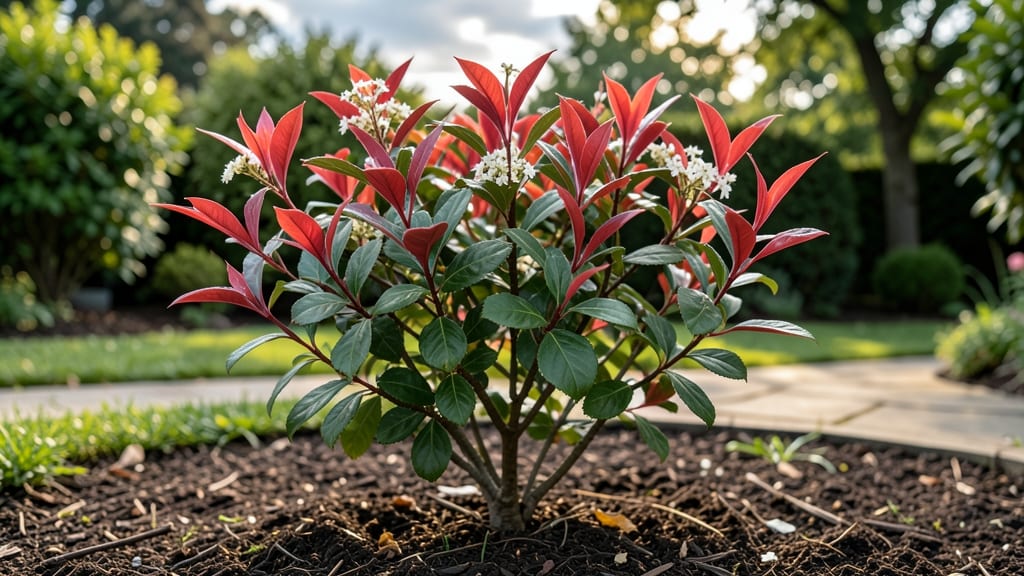
The Red Tip Photinia Tree 🌳 grows to a mature height of 10–15 feet if left unpruned, but with the right techniques, you can shape it into a compact shrub that fits your space perfectly.
Picture this: Your vibrant red-tipped foliage stretching skyward, blocking your view or overshadowing your patio—only to realize it’s grown twice as tall as you intended. That’s the reality for many gardeners who underestimate how quickly this shrub climbs.
Growth speed is the key factor here. In just three years, your Photinia can shoot up 6–8 feet, and without pruning, it’ll keep reaching for the sky.
But the good news? Strategic trimming in spring and summer can keep it at a manageable 6–10 feet—or even smaller if you’re willing to put in the effort.
In this guide, I’ll walk you through the exact pruning schedule, tools, and techniques to control its height while keeping those stunning red tips bright and healthy. No more guessing—just actionable steps to shape your shrub the way you want it.

Natural Red Tip Photinia tree height: growth rate and mature size explained
The Red Tip Photinia (Photinia fraseri) is one of the fastest-growing shrubs in landscaping, but its height progression depends on whether you control its growth.
Without pruning, it can reach 15-20 feet tall over 10 years, but with regular maintenance, you can keep it between 6-10 feet—ideal for hedges and privacy screens.
Understanding its natural growth rate helps you plan. In its first year, expect 2-3 feet of growth, while years 2-3 add 3-4 feet annually. By year 5, uncontrolled plants may hit 10 feet, making early pruning critical for smaller landscapes.
Genetics play a role too. Some cultivars, like 'Little Red', stay dwarf (3-5 feet), while standard varieties grow taller. Your climate zone also matters—warmer regions (USDA zones 7-9) see faster growth due to longer growing seasons.
Here’s how location impacts height: Coastal areas with mild winters may see 20% faster growth than inland zones. Meanwhile, full sun exposure (6+ hours daily) maximizes height potential, while partial shade keeps plants 20-30% shorter.
Soil quality affects growth too. Well-draining, slightly acidic soil (pH 5.0-6.5) supports vigorous growth, while poor soil slows height gains. Amending with compost can boost growth by 15-20% in the first year.
If you’re growing Red Tip Photinia in containers, height is easier to control. Potted plants typically stay 30-50% shorter than in-ground specimens due to root restriction. For example, a 5-gallon container limits growth to 4-6 feet over 5 years.
Pruning timing matters too. Late winter pruning (just before buds swell) reduces height by 20-30%** in the first year. Avoid heavy pruning in summer, as it stimulates weak, leggy growth that adds height instead of width.
For hedge applications, aim for 6-8 feet by pruning new growth back by 1/3 annually. This maintains density while keeping the hedge manageable. Use sharp, clean tools to avoid disease and encourage bushier growth.
Remember, over-pruning can stress the plant, leading to fewer red tips and slower recovery. Balance height control with 30-40% annual reduction to preserve its signature foliage color.
🌳
Step-by-step pruning schedule to limit Red Tip Photinia tree height
Your Red Tip Photinia doesn’t have to become a towering giant—with strategic pruning, you can reduce its height by 30-50% in just 3 years while keeping its signature red foliage.
The key is timing and technique, focusing on seasonal pruning and cutting angles that encourage bushier, controlled growth instead of vertical shoots.
Start by understanding the difference between thinning cuts (removing entire branches) and heading back (trimming branch tips). Thinning opens the canopy for sunlight, while heading back stimulates denser growth. For height control, you’ll use both methods in a structured schedule that aligns with the plant’s natural growth cycles.
🌿 Seasonal Pruning Calendar
- 1 Early Spring (March-April): Focus on shaping. Remove dead or crossing branches first, then head back overgrown stems by 1/3 to encourage bushiness. Aim for a 45-degree angle just above a leaf node to promote new growth.
- 2 Late Spring (May-June): Light maintenance. Thin out 10-15% of the tallest branches to reduce height incrementally. Avoid heavy pruning—this is about fine-tuning the shape and removing leggy growth. Water deeply after pruning to reduce stress.
- 3 Summer (July-August): Minimal pruning. Only remove new suckers or water sprouts that appear in summer. Avoid heavy cuts—this can stimulate late-season growth that won’t harden off before winter. Focus on mulching to retain moisture and support root health.
- 4 Early Fall (September): Final shape adjustment. Head back selective branches by 1/2 to encourage compact growth before winter dormancy. Remove any weak or diseased wood to prevent winter damage. Stop pruning by mid-October to allow new growth to harden.
- 5 Winter (October-February): Observation only. Avoid pruning during dormancy. Instead, plan your cuts for early spring based on the tree’s current structure. Use this time to sterilize pruning tools with a 10% bleach solution to prevent disease spread.
For ideal pruning angles, always cut just above a leaf node or bud at a 45-degree angle. This encourages outward growth rather than upward shoots. Use sharp, clean shears to avoid tearing branches, which can introduce disease.
If your Photinia is already too tall, focus on removing the top 1/3 of the tallest branches in early spring to reset its growth pattern.
Consistency is key—stick to this schedule for 3 years, and you’ll see a noticeable reduction in height while maintaining a full, vibrant canopy. Pair pruning with annual fertilization (balanced 10-10-10 in spring) to support healthy regrowth.
Just remember: never prune more than 1/3 of the tree in a single season, or you risk stressing the plant.
With patience and precision, your Red Tip Photinia will stay at your desired height—whether that’s a compact hedge or a manicured shrub that fits your landscape perfectly. Happy pruning! ✂️🌳