
Pruning
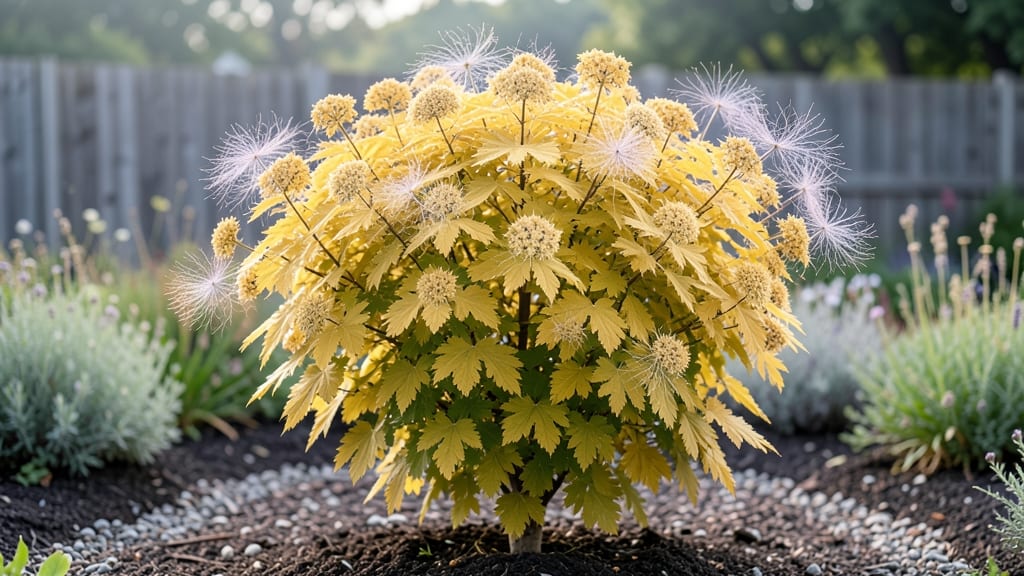
Your Golden Spirit Smoke Tree could be the star of your garden year-round—if you prune it right. ✨ I’ve learned the hard way that this golden-foliaged beauty doesn’t respond to random cuts; it thrives when you shape it intentionally to keep those vibrant hues glowing from spring through fall.
The key is timing and technique: prune in late winter or early spring before new growth starts, and always cut just above a leaf node to encourage bushier, denser foliage. Avoid heavy pruning in fall, or you risk losing next year’s color.
My tree now stands out like a golden beacon in the landscape, with those signature wispy plumes adding drama.
You’ll see the difference within a season—thicker branches, more intense golden tones, and fewer leggy stems. The best part? It’s drought-tolerant once established, so once you get the pruning rhythm right, the maintenance stays light. Perfect for borders, focal points, or even as a small patio tree.
Fair warning: don’t over-prune. This tree handles light shaping better than drastic cuts. Start with just 10-20% of the foliage removed, and watch how it responds before committing to bigger changes. Patience pays off with a tree that stays vibrant and full for decades.
📚 In This Guide
- What you need
- Instructions
- Tips and common mistakes
- Wrapping up and next steps
What you need
- ● Pruning shears: Bypass pruners (sharp, clean, and sterilized with rubbing alcohol to prevent disease). Recommended: Felco F-2 or similar (5–7" blade length).
- ● Loppers: For thicker branches (up to 2" diameter). Example: Corona 5250 (ratcheting for ease).
- ● Hand saw: Pruning saw with a curved blade for stubborn branches (3–4" length). Tip: Use a bypass saw to avoid tearing wood.
- ● Gloves: Heavy-duty gardening gloves (cut-resistant, like Felco 510) to protect from thorns and sap.
- ● Disinfectant: 70% isopropyl alcohol or bleach solution (1 part bleach to 9 parts water) for tool sterilization.
- ○ Pruning sealant: Optional but helpful for large cuts (e.g., Tanglefoot Tree Wound Pruning Sealer).
- ● Ladder or step stool: If your tree is over 6 feet tall (extendable ladders like Little Giant work great).
- ● Trash bags or bucket: For collecting pruned branches (1–2 large bags or a 5-gallon bucket).
- ● Marking twine or flags: To tag branches for removal (if planning a multi-step pruning session).
- ● Pole pruner: For high branches (e.g., Fiskars 22" Extendable Pruner).
- ● Safety glasses: Protect your eyes from debris (especially when sawing).
- ● Knee pads: For comfort if you’re working close to the ground.
- ● Sharpie or paint: To mark cuts temporarily (e.g., "cut here" for future reference).
- ● Mulch: Shredded bark or wood chips to replenish the base after pruning (2–3 inches).
- ● Timing: Prune in late winter or early spring (before new growth) or summer after flowering to avoid stressing the tree.
- ● Weather: Choose a dry, overcast day to minimize sap flow and reduce disease risk.
- ● Tree health check: Inspect for diseased or dead branches (they’ll snap easily or have dark, mushy centers).
- ● Safety first: Wear closed-toe shoes and avoid pruning near power lines.
How to prune a golden spirit smoke tree for vibrant year-round foliage
Here's the method I've used for years to keep my smoke trees looking showy and healthy—without sacrificing their signature golden hues.
✂️ Step 1: Prune in Late Winter Before New Growth Begins
Timing is everything with smoke trees. Wait until late winter—just as buds begin to swell but before any new growth appears. This ensures you remove dead wood while preserving next season's foliage. I always check for tight, brown buds along the branches—those are your signal it's time to start.
Grab your pruning shears and make clean cuts at a 45-degree angle, about ¼ inch above an outward-facing bud. This angle helps water run off the cut and prevents rot. Avoid cutting flush with the trunk—you'll leave a stub that never heals properly. I like to work on cloudy days when the tree isn't stressed by direct sun.
☀️ Step 2: Remove Dead, Diseased, or Crossing Branches First
Start by eliminating any branches that are dead, diseased, or rubbing against others. Dead branches snap easily when bent—if a limb breaks with a crisp sound, it's time to remove it. For diseased branches, look for dark spots, mold, or unusual growths along the stem. These should come out immediately to prevent spreading.
Crossing branches compete for sunlight and weaken the tree's structure. I always remove the smaller of the two when they intersect, cutting back to the nearest healthy bud. This opens up the canopy and lets light reach the inner foliage, keeping those golden leaves vibrant all season.
🌿 Step 3: Thin the Canopy to Improve Airflow and Light Penetration
Smoke trees develop dense foliage, which can block light from reaching the center. Step back and look for branches that grow inward or create thick clusters. Your goal is to create an open, airy structure—aim for no more than 20-25% of the oldest, innermost branches remaining. This prevents fungal issues and keeps the tree's signature golden color bright.
I focus on removing branches that are thinner than a pencil—these rarely produce strong new growth. Cut just above a bud that faces outward to encourage healthy, upward growth. If you're unsure, hold your hand where you plan to cut—if it blocks your view of the center, that branch needs to go.
⏰ Step 4: Shape for Balance and Encourage New Growth
Now it's time to refine the tree's shape. Smoke trees respond well to light shaping, but avoid heavy pruning—never remove more than 25% of the canopy at once. Focus on creating a natural, balanced silhouette by trimming back the longest branches to just above a leaf cluster. This encourages bushier growth and prevents leggy stems.
Pay special attention to the tree's top and outer edges. These areas often grow faster and can become unbalanced. I like to leave a few slightly longer branches on the outer edges to frame the tree's shape. After pruning, step back and check for symmetry—if one side looks heavier, trim a few more branches there to even it out.
💧 Step 5: Clean Up and Apply Post-Pruning Care
After pruning, collect all clippings and dispose of them properly—never leave them on the ground, as they can harbor pests and diseases. Sterilize your pruning tools with 70% isopropyl alcohol or a 10-minute boil to prevent cross-contamination between cuts. I also like to apply a layer of mulch around the base to retain moisture and protect new growth.
Water the tree deeply right after pruning to help it recover. Over the next few weeks, keep an eye out for new buds swelling—this is a sign the tree is responding well. Avoid fertilizing immediately, as fresh cuts are more susceptible to damage. Instead, wait until 4-6 weeks after pruning to apply a balanced, slow-release fertilizer to support new growth.
Tips & tricks for perfect golden spirit smoke tree pruning
A few strategic adjustments can make all the difference in keeping your smoke tree's golden foliage vibrant year-round.
Timing is Everything: Late winter is your golden window—those tight, brown buds are your cue to start. I've learned the hard way that pruning too early (when buds are still dormant) or too late (after new growth appears) can stress the tree. If you miss this window, wait until early spring when buds begin to swell, but don't delay beyond that. The tree's energy is shifting from dormancy to growth, and you want to capitalize on that transition without disrupting it.
The 45-Degree Cut Secret: That angled cut isn't just for looks—it's a water-shedding strategy. When you make your cut at a 45-degree angle about ¼ inch above an outward-facing bud, you create a natural gutter that directs rainwater away from the wound. This simple technique prevents rot that can creep in from sitting water. I've seen many gardeners skip this detail, and their trees develop unsightly cankers over time. It's one of those small things that makes a big difference in long-term health.
Canopy Density Check: Step back and squint—this is how I determine which branches need to go. If you can't see the center of the tree from your position, that's your signal to thin out. The goal is to remove no more than 20-25% of the oldest, innermost branches. This might sound counterintuitive (why remove branches if you want more foliage?), but smoke trees actually reward this openness with brighter, more abundant growth. The improved airflow prevents fungal issues that can dull those golden hues.
Post-Pruning Care Matters: That 10-minute tool sterilization isn't just about hygiene—it's about preventing disease spread between cuts. I've seen gardeners rush this step, and before they know it, they've accidentally transferred pathogens from diseased branches to healthy ones. Also, don't skip the deep watering right after pruning. The tree is like a fresh surgical patient—it needs hydration to begin the healing process. And remember, that 4-6 week wait before fertilizing gives the tree time to recover and prevents overstimulating new growth that might not be as hardy.
Pro Tips for Smoke Tree Golden Spirit
- A few strategic adjustments can make all the difference in keeping your smoke tree's golden foliage vibrant year-round.
- Timing is Everything: Late winter is your golden window—those tight, brown buds are your cue to start.
- The 45-Degree Cut Secret: That angled cut isn't just for looks—it's a water-shedding strategy.
Frequently asked questions
Got questions about pruning your Smoke Tree (Cotinus spp.) 'Golden Spirit' for that stunning, year-round golden canopy? You’re in the right place! Here are answers to the most common queries—from timing to troubleshooting—so you can keep your tree thriving with minimal fuss.
When is the best time to prune my Golden Spirit Smoke Tree?
The ideal window is late winter or early spring (before new growth starts), but you can also prune lightly in summer to shape it. Avoid heavy pruning in fall—it encourages tender new growth that might not survive winter. Pro tip: Never prune in winter (unless removing dead wood), as cold stress can harm the tree.
How much can I trim back my Smoke Tree without harming it?
You can safely remove up to 1/3 of the tree’s foliage in a single session, but avoid drastic cuts. Focus on thinning out dense areas and shaping rather than shearing. Over-pruning can reduce the iconic feathery plumes and golden hues. For severe shaping, spread cuts over 2–3 years to minimize stress.
Why does my Smoke Tree’s color fade after pruning?
Fading can happen if you prune too late in the season (after mid-summer) or remove too many new growth tips, which hold the golden pigment. To preserve color, prune early and avoid heavy cuts in late summer/fall. Fertilize lightly with a balanced formula after pruning to encourage vibrant regrowth.
Can I shape my Smoke Tree like a topiary or hedge?
While Smoke Trees can tolerate light shaping, they’re not ideal for formal topiary. Their natural, airy branches thrive with open, layered pruning rather than tight shearing. If you love geometric shapes, consider a smaller, more flexible shrub like boxwood or dwarf lilac. For Smoke Trees, embrace their whimsical, feathery form!
What should I do if my Smoke Tree gets brown, crispy leaves after pruning?
Brown leaves usually signal over-pruning, drought, or fungal stress. First, check for underlying issues like pests (aphids, spider mites) or root rot. Water deeply 1–2 times weekly (unless rainy) and mulch to retain moisture. If the problem persists, avoid pruning for a year and focus on soil health—amend with compost and ensure good drainage.
Are there alternatives to Smoke Trees for golden foliage?
If you love the golden hues but need a lower-maintenance option, try:
- Fothergilla (Fothergilla gardenii) – Fall color + fragrant spring blooms.
- Dwarf Fountain Grass (Pennisetum spp.) – Adds movement and texture.
- Spirea (Spiraea japonica ‘Goldflame’) – Bright foliage with minimal pruning.
- Japanese Maple (Acer palmatum ‘Orange Dream’) – Compact and stunning.
Wrapping up and next steps
Mastering the art of pruning your Smoke Tree (Golden Spirit) unlocks a vibrant, year-round display that’s the envy of every neighborhood! 🌿 With the right tools, timing, and techniques, you’ve got everything you need to keep those golden foliage cascades thriving. Remember: patience and precision pay off in bold, healthy growth.
Ready to take your Golden Spirit Smoke Tree to the next level? Start by scheduling a quick seasonal pruning checklist—or grab your shears and give those branches a fresh trim this weekend! Your tree (and your curb appeal) will thank you. 🌟