
Pruning
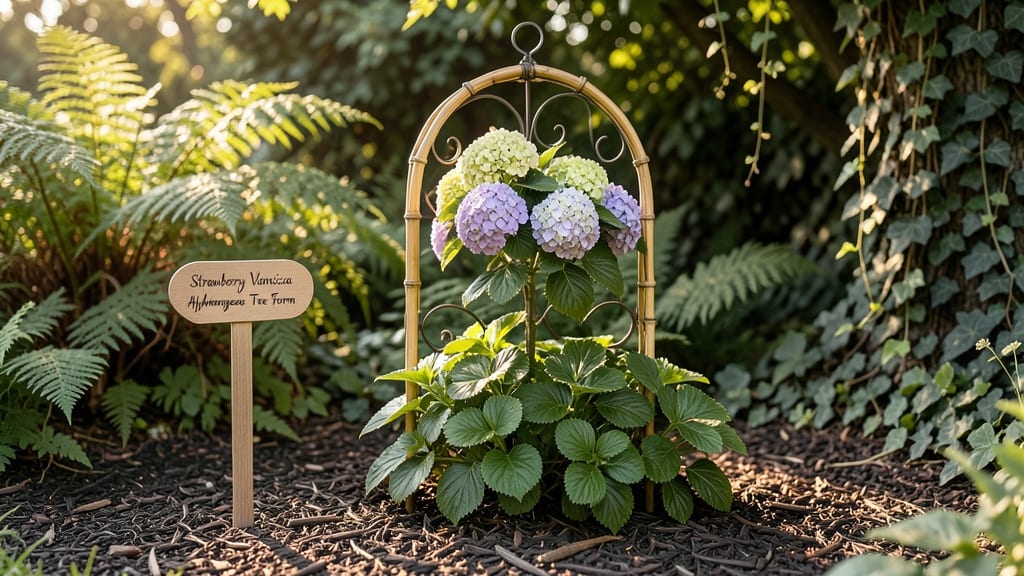
Creating a strawberry vanilla hydrangea tree form turns your garden into a fragrant, ever-evolving masterpiece. 🌸 The intoxicating vanilla-scented blooms and lush foliage make this plant a showstopper—perfect for anchoring a garden bed or framing a patio. Its layered, tree-like structure adds drama while keeping maintenance surprisingly simple.
The secret to that stunning tree form lies in strategic pruning: shape it in early spring by cutting back last year’s stems by half, then trim selectively in summer to encourage bushier growth.
Place it where you’ll savor its fragrance—near seating areas or garden paths—where the sweet vanilla aroma wafts through warm afternoons. Pair it with dwarf conifers or ornamental grasses to highlight its architectural beauty.
By summer, you’ll have a 6-foot-tall floral focal point bursting with creamy-white blooms that transition to soft pink. The foliage stays lush year-round, with winter interest from persistent buds and peeling bark. It’s the kind of plant that makes neighbors stop and ask, "What is that?"—then lingers to admire.
Works equally well as a solitary specimen, a mixed border anchor, or even a small hedge with careful pruning. The best part? Once established, it thrives with minimal fuss—just water, occasional pruning, and a little admiration. Let’s make your garden unforgettable.
📚 In This Guide
- What you need
- Instructions
- Tips and common mistakes
- Wrapping up and next steps
What you need
- ● Strawberry Vanilla Hydrangea Plant: 1 mature hydrangea (preferably Hydrangea macrophylla with vanilla-strawberry fragrance, like 'Vanille Fraise')
- ● Age: 2–3 years old (for easier shaping)
- ● Pruning Tools: 1 pair of bypass pruners (for clean cuts)
- ● 1 pair of loppers (for thicker branches)
- ● 1 hand saw (for stubborn stems)
- ● Safety Gear: 1 pair of gardening gloves (cut-resistant)
- ○ 1 pruning sealant (to prevent disease, optional but recommended)
- ● Support Structures: 3–5 bamboo stakes or metal tree ties (for shaping)
- ● 1 roll of jute twine (for securing branches)
- ● 1 plant growth regulator (to encourage bushier growth)
- ● 1 mulch (to retain moisture and suppress weeds)
- ● 1 spray bottle with water (to keep cuts clean)
- ● 1 notebook & pen (to track pruning progress)
Step-by-Step guide to creating a strawberry vanilla hydrangea tree form
Transform your hydrangea into a fragrant, edible masterpiece with this elegant training technique.
🌱 Step 1: Select and Prepare Your Hydrangea Plant
Choose a healthy, established hydrangea with strong stems and vigorous growth—macrophylla varieties work best for this form. I always look for plants with multiple primary branches radiating from the base, as these will form the foundation of your tree structure. Prune back any weak or crossing branches now to encourage better airflow and future growth.
Dig up your hydrangea carefully, keeping as much of the root ball intact as possible. This is critical—hydrangeas are sensitive to root disturbance, and a well-preserved root system ensures your plant recovers quickly. If you're working with a potted plant, gently loosen the roots around the edges before repotting into your new location.
✂️ Step 2: Establish the Main Trunk and Primary Branches
Repot your hydrangea into a container or garden spot with well-draining soil amended with 2-3 inches of compost. The key to the tree form is creating a single, strong central trunk. Select the most vigorous upright stem and tie it to a sturdy stake using soft plant ties or cloth strips. This will be your main trunk—train it vertically for at least 12-18 inches before allowing any side branches to form.
Once your trunk reaches the desired height, prune back the top growth to encourage lateral branching. Choose 3-4 strong, evenly spaced stems to become your primary branches. These should radiate outward like spokes on a wheel, creating the classic tree form. Secure these branches at a 45-degree angle using flexible ties to maintain their shape as they grow.
🌿 Step 3: Refine the Structure and Encourage Fragrant Growth
Over the next 6-8 weeks, monitor your hydrangea's growth closely. Prune any suckers or unwanted growth that emerges from the base or along the trunk—these will compete with your desired form. Focus on maintaining the 3-4 primary branches, trimming back any excessive growth to keep the plant's energy directed toward strengthening the structure.
To enhance the "strawberry vanilla" fragrance, incorporate a slow-release fertilizer with a balanced 10-10-10 ratio into the soil at planting. Hydrangeas respond beautifully to regular feeding, and this will promote lush, fragrant blooms. Mulch the base with 2-3 inches of organic mulch to retain moisture and regulate soil temperature—critical for consistent growth.
☀️ Step 4: Maintain Light, Water, and Pruning for Year-Round Bloom
Place your hydrangea in a location with partial shade to full morning sun—this protects the delicate blooms from afternoon heat while ensuring enough light for vibrant color. Hydrangeas need consistent moisture, so water deeply 2-3 times per week, ensuring the soil remains evenly damp but not waterlogged. You'll know it's right when the top 2 inches of soil feel moist to the touch but not soggy.
In late winter or early spring, before new growth appears, perform a light pruning to shape the tree form. Remove any dead or weak branches, and trim back any overgrowth to maintain the open, airy structure. This is also the time to adjust the ties on your branches—never leave them on too long, as they can girdle the stems as they thicken.
🌸 Step 5: Harvest and Enjoy the Fragrance and Floral Drama
As your hydrangea blooms, you'll be rewarded with large, fragrant flowers that release their "strawberry vanilla" scent in the evening—perfect for creating a sensory garden experience. To prolong the blooming season, deadhead spent flowers regularly, but leave some behind if you want to enjoy their dried beauty in winter arrangements.
For a truly unique touch, incorporate edible strawberries into the base of your tree form. Plant strawberry runners around the perimeter, training them to grow upward along the trunk or weave them through the branches. This adds a whimsical, functional element while extending the plant's appeal beyond just its flowers.
Tips & tricks for perfect strawberry vanilla hydrangea tree form
Creating this elegant garden masterpiece takes patience and precision—here's how to avoid common pitfalls and elevate your results.
Plant Selection: When choosing your hydrangea in Step 1, look for plants with stems that are at least pencil-thick (about 1/2 inch diameter). The thicker the stems, the better they'll handle the structural training. I've found that macrophylla varieties with multiple primary branches create the most dramatic tree forms, but avoid plants with any signs of disease or yellowing leaves—these will struggle to recover from the transplanting stress.
Root Care: The most critical step in Step 1 is preserving that root ball. If you're working with a potted plant, gently squeeze the container to loosen the soil edges before removing the plant. For garden plants, use a sharp spade to create clean vertical cuts around the root ball, then lift carefully. Never pull by the stems—this tears roots and sets back your plant's recovery by weeks. After repotting, water immediately to help settle the soil around those delicate roots.
Structural Training: In Step 2, when you're establishing your main trunk, don't rush the 12-18 inch height requirement. This vertical growth creates the stability needed to support those future branches. I've seen many gardeners try to skip this step, only to have their branches flop over as they grow heavier. Use a small wooden stake (about 1/2 inch diameter) for support—it's sturdy enough but won't damage stems as metal stakes can. And remember, those 45-degree angles for primary branches should be measured from the trunk, not the ground.
Fragrance Boost: For that signature strawberry vanilla scent in Step 3, consider adding a handful of crushed vanilla bean pods to your compost before amending the soil. The natural compounds will slowly release into the soil and enhance the floral aroma. Also, when applying your 10-10-10 fertilizer, focus it around the drip line (about 6-12 inches from the trunk) rather than piling it at the base—this encourages stronger branch development where you want it most.
Pro Tips for Strawberry Vanilla Hydrangea Tree Form
- Creating this elegant garden masterpiece takes patience and precision—here's how to avoid common pitfalls and elevate your results.
- Plant Selection: When choosing your hydrangea in Step 1, look for plants with stems that are at least pencil-thick (about 1/2 inch diameter).
- Root Care: The most critical step in Step 1 is preserving that root ball.
Frequently asked questions
Got questions about growing and maintaining your Strawberry Vanilla Hydrangea Tree Form? You’re not alone! Here are some of the most common queries—and their answers—to help you keep your fragrant beauty thriving year-round.
How do I prune a Strawberry Vanilla Hydrangea Tree Form for maximum blooms?
Prune in late winter or early spring (before new growth starts) to shape the tree and encourage abundant blooms. Cut back 1/3 of the oldest stems to the ground, and trim any crossing or weak branches. Avoid heavy pruning in fall, as this can reduce next year’s flowers. Pro tip: Use clean, sharp pruners to prevent disease!
When will my Strawberry Vanilla Hydrangea Tree Form bloom?
Expect blooms mid to late summer (July–August), with some varieties offering a second flush in fall. The fragrant flowers last 4–6 weeks, but deadheading spent blooms can extend the display. Patience is key—young trees may take 2–3 years to reach full bloom potential.
Is this hydrangea drought-tolerant, or does it need frequent watering?
While established trees are moderately drought-tolerant, they thrive with consistent moisture, especially during the first year. Water deeply 1–2 times per week (more in extreme heat) and mulch around the base to retain soil moisture. Warning: Overwatering can lead to root rot—ensure well-draining soil!
Can I grow a Strawberry Vanilla Hydrangea Tree Form in a container?
Yes! Choose a large container (at least 20 gallons) with drainage holes and use a high-quality potting mix. Containers dry out faster, so water daily in summer and move to partial shade if your climate gets scorching. Tip: Fertilize monthly during growing season for best results.
What pests or diseases should I watch for with this hydrangea?
Common issues include:
- Aphids: Spray with water or use insecticidal soap.
- Powdery mildew: Improve airflow and avoid overhead watering.
- Scale insects: Wipe with rubbing alcohol on a cloth.
For severe problems, use neem oil or consult a local nursery. Prevention: Prune for airflow and keep the area clean!
Wrapping up and next steps
The Strawberry Vanilla Hydrangea Tree Form isn’t just a stunning addition to your garden—it’s a year-round sensory experience! With its fragrant blooms, lush foliage, and easy-care nature, this beauty brings joy without the fuss.
Whether you're a seasoned gardener or just starting out, this hydrangea is your ticket to effortless elegance.
Ready to transform your outdoor space? Start by selecting your spot, gathering the right tools, and giving your hydrangea the love it deserves. Watch as it flourishes into a fragrant, floral masterpiece that turns heads—and fills the air with sweet, intoxicating scents! 🌸✨