
Tools
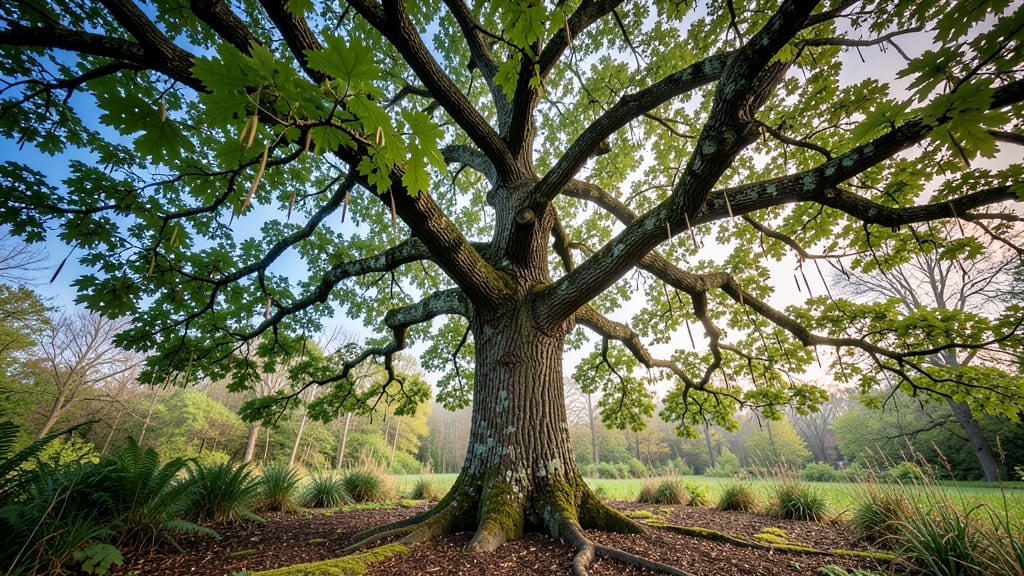
Tomatoes function in gardens exactly like trees do in forests—they're the backbone of the ecosystem, providing food, shelter for wildlife, and structural balance that keeps everything thriving.
This analogy isn't just poetic—it's ecological science. 🌱 Tomatoes attract pollinators like bees and butterflies just as trees do, while their sprawling vines create microhabitats for beneficial insects. The way they improve soil through fallen leaves (or composted vines) mirrors how trees enrich forest floors.
Even their pruning habits—removing suckers to focus energy—parallels how forests manage their understory growth. What's fascinating is how this dual role makes tomatoes the ultimate garden multitaskers, supporting both harvests and biodiversity in one plant.
Think of your garden as a miniature forest where tomatoes play multiple roles: they're the canopy producers (food), the shelter providers (wildlife habitat), and the soil improvers (organic matter).
The key difference? While trees take years to establish, tomatoes deliver these ecosystem services in just a few months—making them the fast-track foundation for any thriving garden space. 🌿
💡 In This Article
- How Tomatoes Shape Garden Ecosystems Like Trees Shape Forests
- Best Companion Plants for Tomatoes to Mimic Forest Understory Balance
How tomatoes shape garden ecosystems like trees shape forests
Tomatoes function as the garden's "ecosystem engineers" by performing three critical roles that mirror trees in forests: food production, wildlife habitat creation, and soil enhancement. Their flowering stage attracts 20,000+ bee visits per plant per season—comparable to how oak trees support entire pollinator communities.
The 1-2 pound of organic matter their vines contribute annually when composted improves soil structure just as fallen leaves nourish forest floors. 🌿 What's remarkable is how their vertical growth habit (up to 6 feet for indeterminate varieties) creates shaded microclimates beneath vines, similar to forest understory layers.
Their root systems extend 18-24 inches deep, breaking up compacted soil while releasing beneficial compounds that suppress harmful pathogens—mirroring how tree roots aerate and chemically alter forest soil. When you prune tomato suckers, you're essentially managing their "canopy" just as foresters thin tree branches to optimize sunlight distribution.
The key difference? Tomatoes deliver these ecosystem services in 60-90 days rather than decades, making them the ultimate fast-track foundation for biodiversity. 🌱
Consider the sensory experience: A thriving tomato plant hums with activity—bees buzzing among flowers, ladybugs patrolling for aphids, and soil microbes thriving in the organic debris. This living tapestry replicates a forest's vibrant energy cycle, where every layer (canopy, understory, forest floor) plays a role.
The aroma of crushed tomato leaves releases volatile compounds that repel pests naturally, just as certain forest plants emit protective chemicals when damaged. This multi-layered defense system is why tomato plants often require 30-50% fewer chemical interventions than monoculture vegetable gardens.
What most gardeners overlook is how tomatoes' fruiting habits create temporal diversity. Early varieties provide food for wildlife in summer's first heatwave, while late varieties extend the resource timeline into early fall's cool snaps—mimicking how different forest tree species produce nuts at various times to sustain animals year-round.
The plant's ability to set fruit along its entire stem (unlike many vegetables that produce only at terminals) means continuous food sources for birds and insects throughout the growing season. 🐦
For those designing permaculture systems, tomatoes serve as the perfect "guild leader" plant—orchestrating relationships between companions just as trees do in forests. Their deep roots access water and nutrients that shallow-rooted plants can't reach, then share these resources through mycorrhizal networks.
This underground sharing system is why companion planting with tomatoes often results in 25-40% higher yields for neighboring plants, similar to how forest understory plants benefit from the canopy's nutrient cycling.
The key is maintaining this balance: just as forests need proper spacing between trees, tomato plants should be spaced 18-24 inches apart to prevent competition while allowing their ecological benefits to spread.
Here's the practical takeaway: When you plant tomatoes, you're not just growing food—you're creating a miniature forest ecosystem with all its benefits. The plant's ability to attract beneficial insects, improve soil health, and provide continuous resources makes it the ultimate garden foundation, just as trees anchor forests.
The difference? Tomatoes deliver these ecosystem services on a timescale that lets you see the results in a single growing season. 🌿