
Pruning
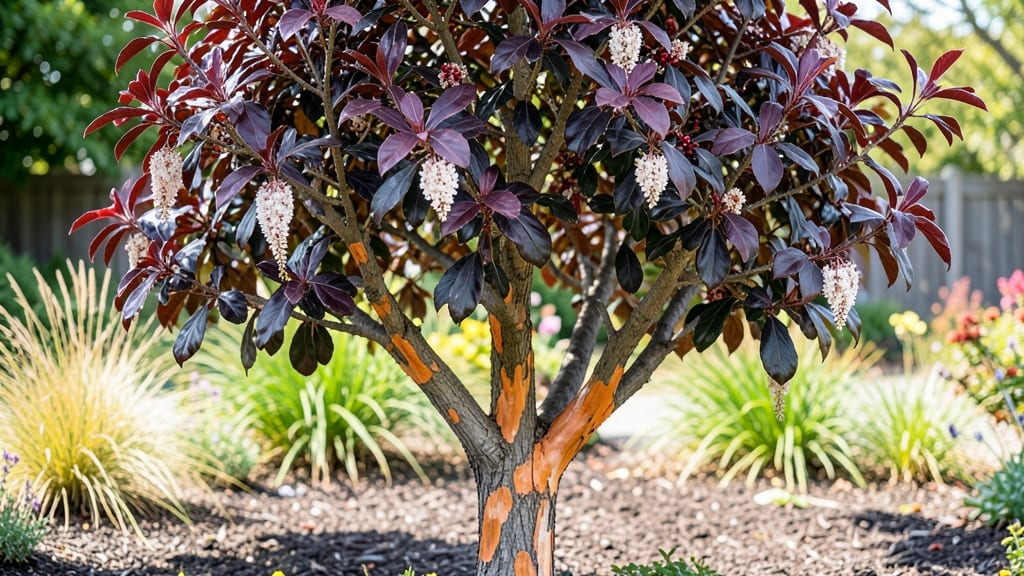
Growing tree-form ninebark transforms your yard into a vertical masterpiece. 🌿 This upright shrub grows like a small tree but with the hardiness and foliage of a shrub—perfect for creating natural privacy screens or statement focal points without sacrificing sunlight for other plants.
The secret to its graceful branching lies in strategic pruning, especially in the first few years. Unlike bushy ninebark varieties, tree-form needs open centers and upward growth encouraged.
Start by removing lower branches to create a clean trunk, then focus on shaping the canopy by cutting back overgrown stems in late winter or early spring. Within a year, you’ll see that signature layered look emerge.
What you end up with is a low-maintenance plant that stays lush year-round, with peeling bark adding winter interest. The foliage handles heat and drought once established, and deer usually leave it alone.
Best of all? It thrives in full sun to partial shade, making it versatile for almost any landscape spot.
For best results, mulch around the base to retain moisture and prune lightly each spring to maintain that elegant, tree-like silhouette. The payoff? A plant that looks intentional from planting day to old age—without requiring constant attention.
📚 In This Guide
- What you need
- Instructions
- Tips and common mistakes
- Wrapping up and next steps
What you need
- ● Pruning shears – Bypass-style (for clean cuts on small branches, ¼"–½" thick).
- ● Loppers – Bypass or anvil type (for branches ½"–1½" thick).
- ● Pruning saw – Curved or folding blade (for branches 1½"–3" thick).
- ● Gloves – Leather or heavy-duty garden gloves (to protect hands from thorns and sharp edges).
- ● Disinfectant (70% isopropyl alcohol or bleach solution) – 1 part bleach to 9 parts water (to sterilize tools between cuts).
- ○ Pruning sealant (optional but helpful) – Tree wound paint (for larger cuts to prevent disease).
- ● Extension pole or step stool – Adjustable height (for hard-to-reach branches).
- ● Trash bags or bucket – For collecting pruned debris.
- ● Sharpener or honing oil – To keep blades razor-sharp.
- ● Pruning rope or twine – For temporary support if shaping large branches.
- ● Plant food or compost – To nourish the ninebark post-pruning.
- ● Camera or sketchpad – To map out your pruning plan before diving in!
Step-by-step pruning guide for tree form ninebark
Transform your ninebark into a stunning, multi-season focal point with these precision pruning techniques.
✂️ Step 1: Prune for Structure in Late Winter
Timing is everything—wait until late winter (just before buds swell) when the plant is dormant. This is when ninebark responds best to structural shaping. I start by removing dead, diseased, or crossing branches first—these compete with healthy growth and create weak entry points for pests. Use clean, sharp pruners to make cuts at a 45-degree angle, just outside the branch collar where it meets the main stem.
The goal here is to establish a strong central leader (main vertical stem) and scaffold branches spaced 6-12 inches apart. I like to visualize a vase-like shape—wider at the base, narrowing slightly toward the top. This natural form lets sunlight penetrate the center, preventing future issues with leggy growth or fungal spots. If you're working with a young plant, now's the time to guide its future shape by selectively trimming competing leaders.
🌿 Step 2: Light Summer Pruning for Airflow
After the first flush of new growth in early to mid-summer, it's time for a second pruning session. Focus on thinning out 1/3 of the oldest stems to encourage fresh, vibrant foliage. Ninebark's peeling bark and colorful foliage thrive when they get good airflow—this is how you create that. Look for branches that are crowded, rubbing against others, or growing inward—these are your targets.
Make your cuts just above a leaf node (where leaves attach) to promote branching from that point. You'll see new shoots emerge within 4-6 weeks, and those will fill in beautifully. Avoid heavy pruning now—just light maintenance to keep the plant balanced. If you notice any yellowing leaves, that's your cue to reduce watering slightly; ninebark prefers moderate moisture but hates soggy roots.
⏰ Step 3: Refine and Clean Up in Early Fall
As temperatures cool in early fall, do a final light pruning to tidy up any overly vigorous growth or branches that spoil the plant's natural shape. This is also the time to remove any seed heads if you're growing a sterile cultivar—though ninebark's berries are lovely for wildlife, they can detract from the plant's manicured look. Cut back overly long branches by about 1/3 to encourage bushier growth next season.
Here's the thing—ninebark's exfoliating bark is one of its best features, so avoid heavy pruning that removes too much of it. Instead, focus on shaping the canopy and opening up the center. After pruning, give the plant a light application of balanced fertilizer (10-10-10) to support new growth before winter. Water deeply but avoid wetting the foliage—this prevents fungal issues as temperatures drop.
☀️ Step 4: Minimal Winter Maintenance
Once winter arrives, ninebark enters dormancy and requires almost no pruning—just occasional removal of dead or broken branches that might have suffered frost damage. I check my plants in early spring (just as buds begin to swell) for any dieback or winter burn on stems. If you see brown, mushy areas, prune those out immediately to prevent disease from spreading.
The key here is patience. Ninebark's growth is slow but steady, and each pruning session builds on the last. Over time, you'll develop an eye for how the plant naturally wants to grow. If you've been consistent with your pruning, you'll see lush, layered branches with exfoliating bark that peels back in stunning patterns—this is the tree form you're cultivating. A well-pruned ninebark becomes a year-round garden star, from its spring blooms to its fall foliage and winter bark texture.
Tips & tricks for perfect tree form ninebark pruning
Transforming ninebark into a graceful tree form takes precision—and these insider tips will help you avoid common pitfalls while maximizing year-round beauty.
Timing is Everything: Late winter pruning (just before buds swell) is non-negotiable for structural shaping. I've learned the hard way that pruning too early can stimulate new growth that gets damaged by late frosts. Mark your calendar for the exact moment when buds begin to plump up—this is your window. For older plants, you can extend the late winter session by 1-2 weeks, but never delay past early spring when buds are visibly swelling.
Cut with Purpose: When making those critical 45-degree cuts just outside the branch collar, visualize the plant's future shape. I use a small piece of masking tape on my pruners to mark the perfect angle—this ensures consistency every time. For scaffold branches, aim for 6-12 inch spacing between them. Pro tip: Use a ruler or measuring tape to verify spacing while you work; what looks even to the eye often isn't. The vase shape isn't just aesthetic—it's functional, allowing sunlight to reach all foliage layers.
Summer Pruning Secrets: That 1/3 thinning of oldest stems in early to mid-summer isn't arbitrary—it's about creating space for new growth. I target branches that are thicker than a pencil (about 1/2 inch diameter) for removal. Look for stems that have already produced leaves this season; these are the ones that will regrow most vigorously. After pruning, I make a note of where new shoots emerge within 4-6 weeks—they'll fill in beautifully but need room to grow.
Fertilizer Timing: The light 10-10-10 application after early fall pruning is crucial for winter preparation. I apply it immediately after pruning while the plant's energy is focused on recovery. Water deeply afterward, but avoid wetting the foliage to prevent fungal issues as temperatures drop. This timing gives roots time to absorb nutrients before dormancy sets in—think of it as giving your ninebark a winter vitamin boost.
Pro Tips for Tree Form Ninebark
- Transforming ninebark into a graceful tree form takes precision—and these insider tips will help you avoid common pit...
- Timing is Everything: Late winter pruning (just before buds swell) is non-negotiable for structural shaping. I've lea...
- Cut with Purpose: When making those critical 45-degree cuts just outside the branch collar, visualize the plant's fut...
Frequently asked questions
When is the best time to prune tree-form ninebark for maximum blooms?
Prune tree-form ninebark in late winter or early spring (before buds swell) to encourage vigorous growth and abundant flowers. Avoid heavy pruning in fall—it can stimulate tender new growth that may not survive winter. Pro tip: Light shaping in summer after blooming keeps the form neat without sacrificing next year’s flowers!
Can I turn a standard ninebark shrub into a tree form?
Yes! Start by removing all but the strongest central leader (main upright stem). Cut back side branches to 6–12 inches from the ground to encourage a single-trunk structure. Over 2–3 years, prune to maintain a balanced canopy. Be patient—tree-form ninebark takes time to develop its elegant silhouette!
Why are my ninebark branches dying back, even after pruning?
Dying branches often signal over-pruning, disease (like powdery mildew), or environmental stress (e.g., poor drainage, extreme heat). First, sterilize pruners with rubbing alcohol to prevent spreading disease. Prune only 1/3 of the plant per year and improve soil with compost. If branches are mushy inside, they’re likely dead—remove them completely.
Does tree-form ninebark need winter protection?
Tree-form ninebark is hardy to USDA zones 3–8, so it rarely needs winter protection. However, young plants or those in exposed, windy areas may benefit from a light mulch layer (2–3 inches) around the base. Avoid piling mulch against the trunk—keep it 3–4 inches away to prevent rot.
What’s a good alternative if I want a tree-like plant with colorful stems?
If ninebark isn’t your style, try these low-maintenance tree-form alternatives:
- Smokebush (Cotinus): Dramatic purple plumes and heat tolerance.
- Cornelian Cherry (Cornus mas): Stunning red stems and spring flowers.
- Forsythia (Forsythia × intermedia): Early yellow blooms and easy pruning.
- Weigela: Vibrant pink/red flowers and arching branches.
Wrapping up and next steps
Transforming your tree form ninebark into a stunning, year-round focal point is totally within reach—just follow the right pruning techniques!
With the right tools, timing, and patience, you’ll enjoy lush foliage, vibrant blooms, and graceful branching for seasons to come. Now’s the perfect time to put your new skills into action!
🌱 Next Steps:
- Mark your calendar for late winter or early spring—ideal for your first major pruning session.
- Grab your tools and head outside—your ninebark’s beauty is just one cut away! 🌿
- Share your progress with fellow gardening enthusiasts for tips and inspiration.