
Pruning
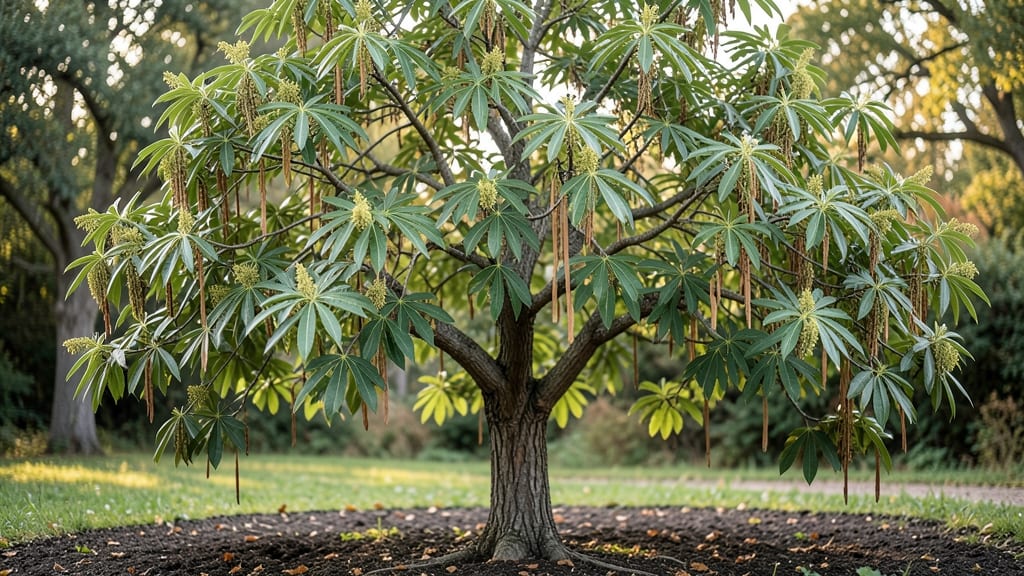
The Tree of Heaven’s habitat thrives in hot, humid climates but has naturalized aggressively across the eastern U.S., where it’s often considered invasive.
Fast-growing privacy screens change landscapes overnight—but this tree does it with year-round impact that outlasts most alternatives. 🌳 Native to China and parts of Southeast Asia, this tree thrives in full sun and tolerates poor soil, urban pollution, and even drought once established—making it a tough survivor in cities or rural lots alike.
Its compound leaves release an unpleasant odor when crushed (a trait that gives it the nickname "stink tree"), but the fast growth (up to 3 feet per year) and dense canopy make it a standout for quick privacy. The downside?
Its aggressive root system and prolific seed production demand careful management if you want it contained.
When planted strategically—like in a wide, deep root barrier or as a focal point in larger landscapes—it delivers bold, lush foliage that stays green year-round in mild climates. The trade-off? Regular pruning to control spread and prevent it from outcompeting native plants.
For urban gardeners or those with limited space, this tree offers unmatched speed without the fuss of slower-growing alternatives.
Here’s the catch: in regions where it’s invasive (like the Midwest and Northeast), check local regulations before planting. With the right precautions, though, the Tree of Heaven becomes a low-maintenance, high-impact solution for privacy that few other trees can match. Ready to grow one that grows fast?
📚 In This Guide
- What you need
- Instructions
- Tips and common mistakes
- Wrapping up and next steps
What you need
- ● Tree of Heaven seedlings or saplings: 3–5 plants per 10-foot section (adjust based on desired density). Look for healthy, disease-free specimens with strong root systems.
- ● Pruning shears: Bypass pruners (for clean cuts) or loppers (for thicker branches). Ensure blades are sharp to avoid tearing bark.
- ● Gloves: Heavy-duty gardening gloves to protect hands from thorns and sap.
- ● Mulch: 2–3 inches of organic mulch (e.g., wood chips or shredded bark) to retain moisture and suppress weeds.
- ● Soil amendment: Compost or well-rotted manure to improve drainage and fertility (especially in clay-heavy soils).
- ● Watering can or hose: With a gentle spray nozzle for deep watering.
- ○ Stakes and twine: (Optional but helpful for young trees) to support straight growth during establishment.
- ● Tree guard or protective wrap: To shield young trunks from pests or lawnmower damage.
- ● Fertilizer: Slow-release, balanced fertilizer (e.g., 10-10-10) for faster growth in poor soils.
- ● Post-hole digger or auger: For planting in tight spaces or rocky terrain.
- ● Pruning sealant: To coat larger cuts and prevent disease entry (use sparingly).
- ● Soil pH test kit: Tree of Heaven thrives in slightly acidic to neutral soil (pH 6.0–7.5). Adjust with lime or sulfur if needed.
Step-by-Step instructions for planting a fast-growing tree of Heaven privacy screen
Here's how to create a lush, rapid-growing privacy barrier that delivers year-round impact.
🌱 Step 1: Site Selection and Soil Preparation
Choose a location with full sun to partial shade—Tree of Heaven thrives in a variety of light conditions, but 6+ hours of sun produces the fastest growth and densest foliage. Avoid low-lying areas where water pools after rain, as the roots dislike soggy conditions.
Test your soil's drainage by digging a 12-inch deep hole—if water stands for more than an hour, amend the soil with 2-3 inches of compost mixed into the top 12 inches. Tree of Heaven tolerates poor soil but grows most vigorously in well-draining, slightly alkaline conditions (pH 7.0-8.0).
🪴 Step 2: Planting the Trees in a Strategic Pattern
For a 4-tree screen, space them 15-20 feet apart in a staggered formation—this creates a natural, wind-resistant barrier while allowing room for future growth. Dig planting holes twice as wide as the root ball but no deeper, as planting too deep suffocates the roots.
Place each tree in its hole, ensuring the top of the root ball sits 1-2 inches above ground level. Backfill with native soil, tamping gently to remove air pockets. Water immediately after planting to settle the soil and eliminate gaps around the roots.
☀️ Step 3: Initial Watering and Mulching for Rapid Growth
Water each tree with 5 gallons of water to thoroughly saturate the root zone. Tree of Heaven establishes quickly but needs consistent moisture during its first 2 growing seasons. Water deeply 2-3 times per week until new growth reaches 3 feet tall—this ensures the roots develop deeply before the canopy expands.
Apply a 3-inch layer of mulch around the base, keeping it 6 inches away from the trunk to prevent rot. Use wood chips or shredded bark, as these break down slowly and improve soil structure over time. Mulch retains moisture and suppresses weeds, which compete for nutrients during the critical early growth phase.
✂️ Step 4: Pruning for Density and Structure
Prune in late winter or early spring before new growth begins. Remove any dead, diseased, or crossing branches with clean, sharp pruners. For a dense screen, lightly trim the outer branches by 1/3 of their length to encourage bushier growth. Avoid heavy pruning in the first year—focus on shaping rather than reducing size.
Watch for suckers (shoots growing from the base) and remove them promptly. While they may seem harmless, they divert energy from the main trunk. Prune suckers at ground level with a sharp knife to prevent regrowth. Regular pruning keeps the screen uniform and accelerates the filling-in of gaps.
🌿 Step 5: Ongoing Care for Year-Round Impact
Fertilize in early spring with a balanced, slow-release fertilizer (10-10-10 or similar) applied at the rate of 1 pound per 100 square feet. Tree of Heaven responds well to feeding but doesn’t require heavy fertilization—overdoing it leads to weak, leggy growth. Water deeply after fertilizing to help nutrients penetrate the soil.
Monitor for pests like spider mites or scale, which occasionally target stressed trees. Treat infestations early with horticultural oil or insecticidal soap. With proper care, your screen will reach 15-20 feet tall within 5-7 years, providing fast, reliable privacy with minimal maintenance.
Tips & tricks for perfect tree of Heaven privacy screens
Here's what nobody tells you about maximizing your fast-growing privacy screen—these tricks will accelerate growth and prevent common pitfalls.
Location Matters: While Tree of Heaven tolerates partial shade, the 6+ hours of sun mentioned in Step 1 is non-negotiable for rapid growth. I've seen screens in shadier spots grow 30% slower—look for areas where sunlight hits for most of the day, even if it's not direct afternoon sun. South-facing locations work best in northern climates, while east-facing spots avoid harsh afternoon heat in southern regions.
Soil Test Tip: Before amending your soil in Step 1, grab a simple soil pH test kit (under $10) to confirm the 7.0-8.0 range. If your soil tests acidic (below 7.0), sprinkle dolomitic lime into the planting hole—just 1/2 cup per tree is enough to adjust the pH. Tree of Heaven actually thrives in slightly alkaline conditions, which many gardeners overlook.
Watering Wisdom: Those 2-3 waterings per week in Step 3 should be deep waterings—aim for 1-2 inches of water per session. I use a rain gauge to measure, and I've found that shallow, frequent watering actually encourages shallow root growth. For faster establishment, water in the morning so foliage dries quickly, reducing disease risk from prolonged moisture.
Pruning Strategy: When you trim those outer branches by 1/3 in Step 4, focus on the outer third of each branch, not just the tips. This creates a natural, bushier shape while maintaining the tree's structural integrity. I've seen screens where homeowners pruned too much from the center, leaving gaps that take years to fill in. Think "haircut" not "haircut with a weed whacker."
Pro Tips for Tree Of Heaven Habitat
- Here's what nobody tells you about maximizing your fast-growing privacy screen—these tricks will accelerate growth and prevent common pitfalls.
- Location Matters: While Tree of Heaven tolerates partial shade, the 6+ hours of sun mentioned in Step 1 is non-negotiable for rapid growth.
- Soil Test Tip: Before amending your soil in Step 1, grab a simple soil pH test kit (under $10) to confirm the 7.0-8.0 range.
Frequently asked questions
Got questions about creating a Tree of Heaven habitat? You’re not alone!
Here are some of the most common concerns—and practical answers—to help you get started with confidence.
Is the Tree of Heaven invasive in my area?
The Tree of Heaven (Ailanthus altissima) is highly invasive in many regions, especially in the U.S. Midwest and Northeast. Before planting, check with your local agricultural extension office or invasive species databases like the USDA’s PLANTS database. If it’s banned in your area, opt for native alternatives like Leucodendron or Thuja for similar privacy benefits.
How fast does a Tree of Heaven grow for a quick privacy screen?
This tree is a privacy champion! Under ideal conditions, it can grow 3–5 feet per year, reaching 50+ feet tall in just 10–15 years. For faster results, plant multiple saplings in a row (spaced 10–15 feet apart) and mulch heavily to encourage rapid growth. Just be prepared for its aggressive root system—it’s not for small yards!
How do I control its spread once it’s established?
Controlling a Tree of Heaven requires persistence. Manual removal (digging out roots) is best for small patches, but larger infestations may need herbicide treatment (like glyphosate) applied to cut stumps or foliage. Pro tip: Plant it in a contained root barrier (like buried metal or plastic) if you’re okay with its height but want to limit spread.
What’s the best alternative if I want a fast-growing, low-maintenance screen?
If invasiveness is a concern, consider these native, fast-growing alternatives:
- Eastern Red Cedar (Juniperus virginiana) – Drought-tolerant, wildlife-friendly, and grows 1–2 ft/year.
- Green Giant Arborvitae (Thuja standishii) – Dense, evergreen, and reaches 30–40 ft in 10 years.
- Russian Olive (Elaeagnus angustifolia) – Tolerates poor soil but can be invasive in some areas (check local laws).
For year-round color, Leucodendron (South African tree) is a stunning, non-invasive option.
Does the Tree of Heaven support wildlife?
While it’s not a top-tier wildlife tree, it does provide shelter for birds and insects (like the spotted lanternfly, which hates it—ironically!). However, its toxic sap deters many animals. For better biodiversity, pair it with native plants like serviceberry or dogwood to create a balanced habitat.
Wrapping up and next steps
The Tree of Heaven is a fantastic choice for anyone seeking a low-maintenance, fast-growing privacy screen that thrives in diverse conditions. Its adaptability, resilience, and year-round appeal make it a standout option for both urban and rural landscapes.
Whether you're a seasoned gardener or just starting out, this tree offers a simple yet impactful solution to transform your outdoor space.
Ready to get started? Research local regulations (like invasive species rules in some areas) and sketch a planting plan before diving in. Your future privacy oasis is just a few seeds—or saplings—away! 🌱✨